Developing Species for a Story: Using Lifespan to Build Fictional Worlds
When Lucy approached Frank to tell him about her story ideas, she already knew she wanted twelve species.
While pondering ways to develop each species, it was determined that the lifespan would be established before anything else. While it may seem like an unconventional choice, PhranqenLu decided to develop the species in this way for a few reasons. Lifespan has an impact on maturity, education, family structures, memory, and tradition. It was decided that lifespan would be the foundation for species development because it would be the metric through which many aspects of society, and the conflicts that lie within, progressed and developed.
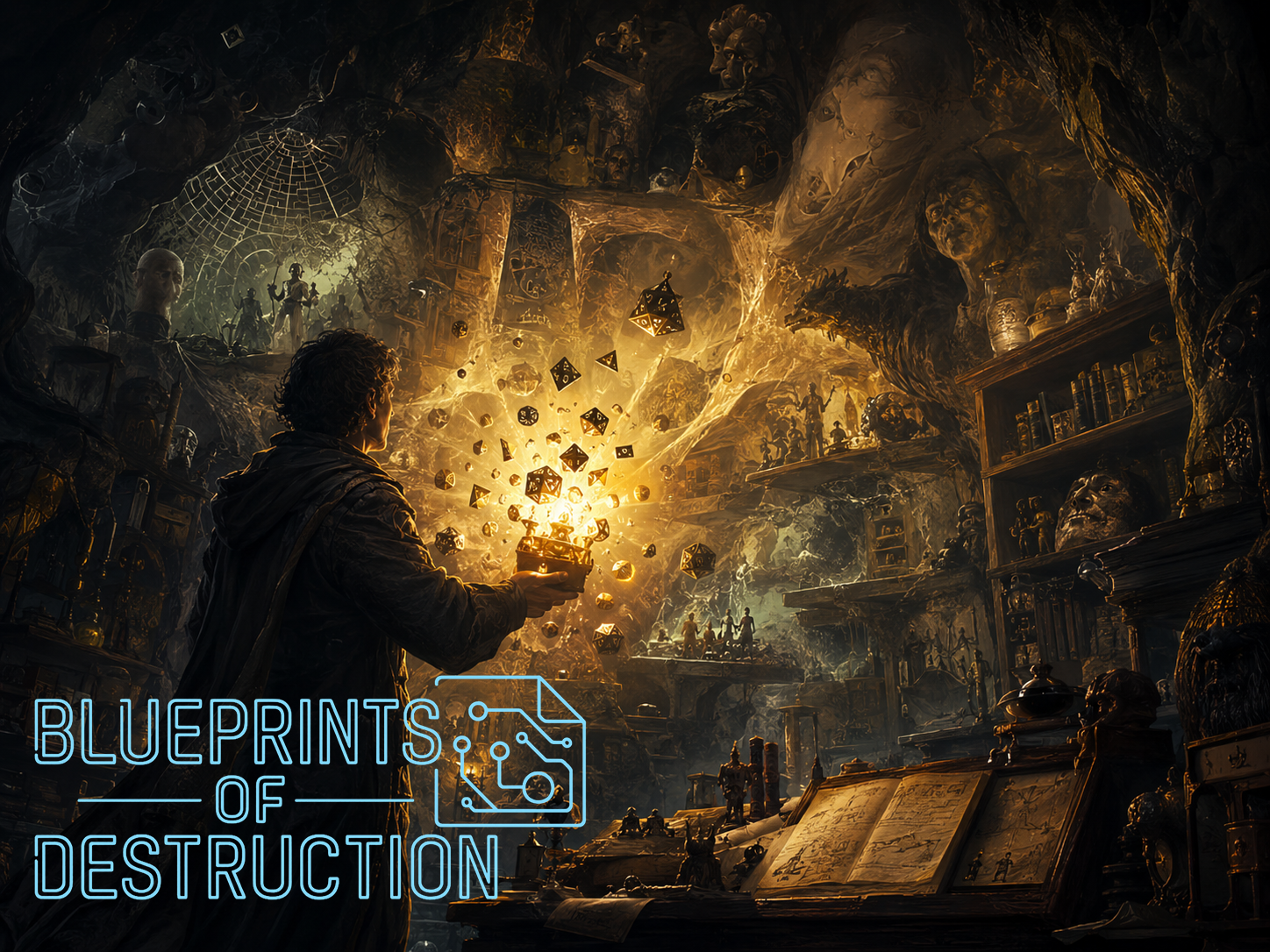
Before we dive in too deep, one thing needs to be stated. Randomization isn't something to be scared of. It is simply the intentional use of a tool you have already been using, even if it has been by accident. Many writers use randomness in their storytelling, even if it isn't on purpose.
Everything from inspiration, to dreams, to ideas. Each of these can be sparked through fortuitous circumstances in life. The heart of randomization is seeing patterns through the accidental. Structured randomization opens up a whole world of new possibilities when it is used as a system itself.
This was how PhranqenLu began developing their species. There is no reason that you need or should mimic it. As in all randomization, every process for each individual author can be as individual as the story itself. Having said that, this can be used an example to show you that the way you create your would doesn't need to fall into conventional parameters. It is about finding what works for you and the world that you are building.
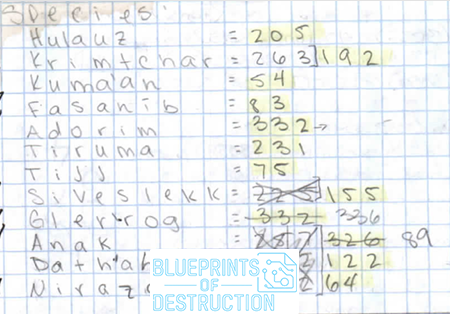
Species
Hulauz = 205
Krimtchar = 263]192
Kuma'an = 54
Fasanib = 83
Adorim = 332
Tiruma = 231
Tijj = 74
Siveslekk = 225] 155
Gler'rog = 332 336
Anak = 257]326 89
Dath'ahn = 202] 122
Nirazak = 232] 64
PhranqenLu decided to rely heavily on randomization to avoid the pitfalls and repetitive nature of how most people inherently think. Randomness can be a tool to help reveal unexpected contrasts. If numbers were too similar, they were re-rolled. The re-rolls either confirmed the first roll or provided a new option. With a solid initial mapping of what the species lifespans looked like, it was possible to move on to the next step.
Mapping
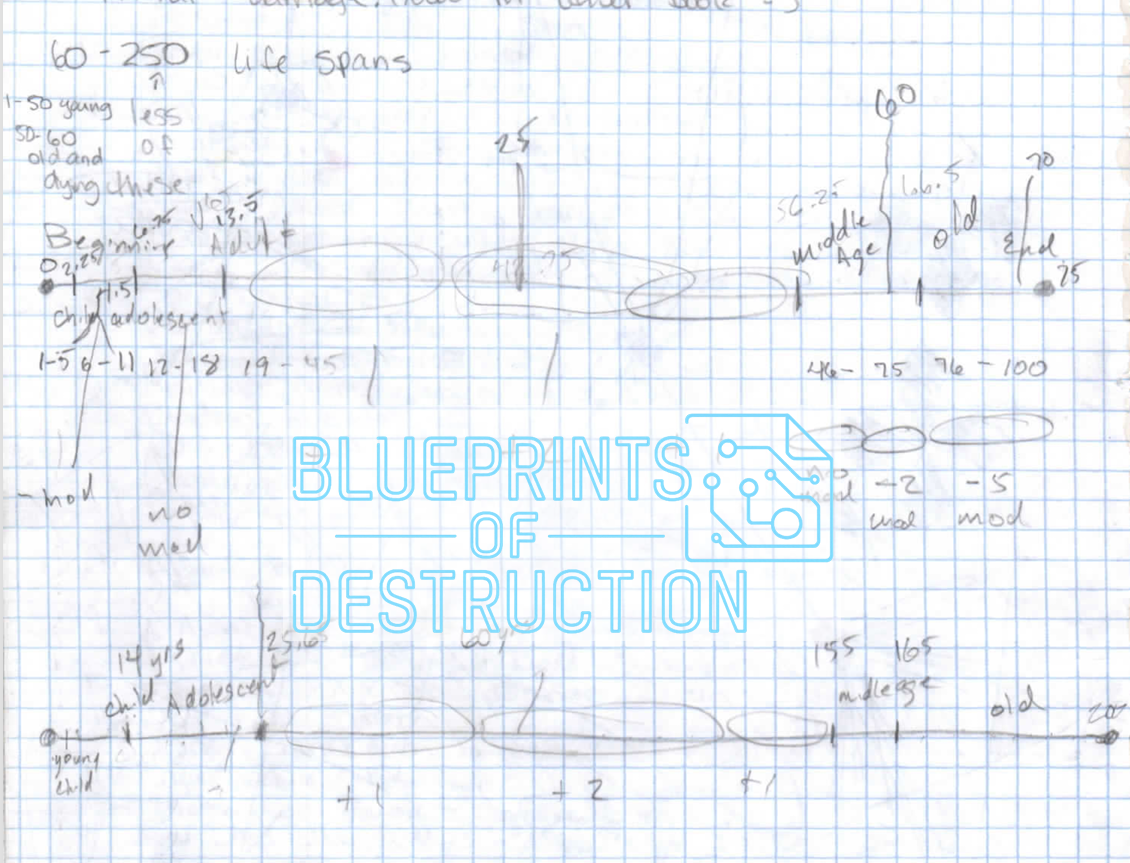
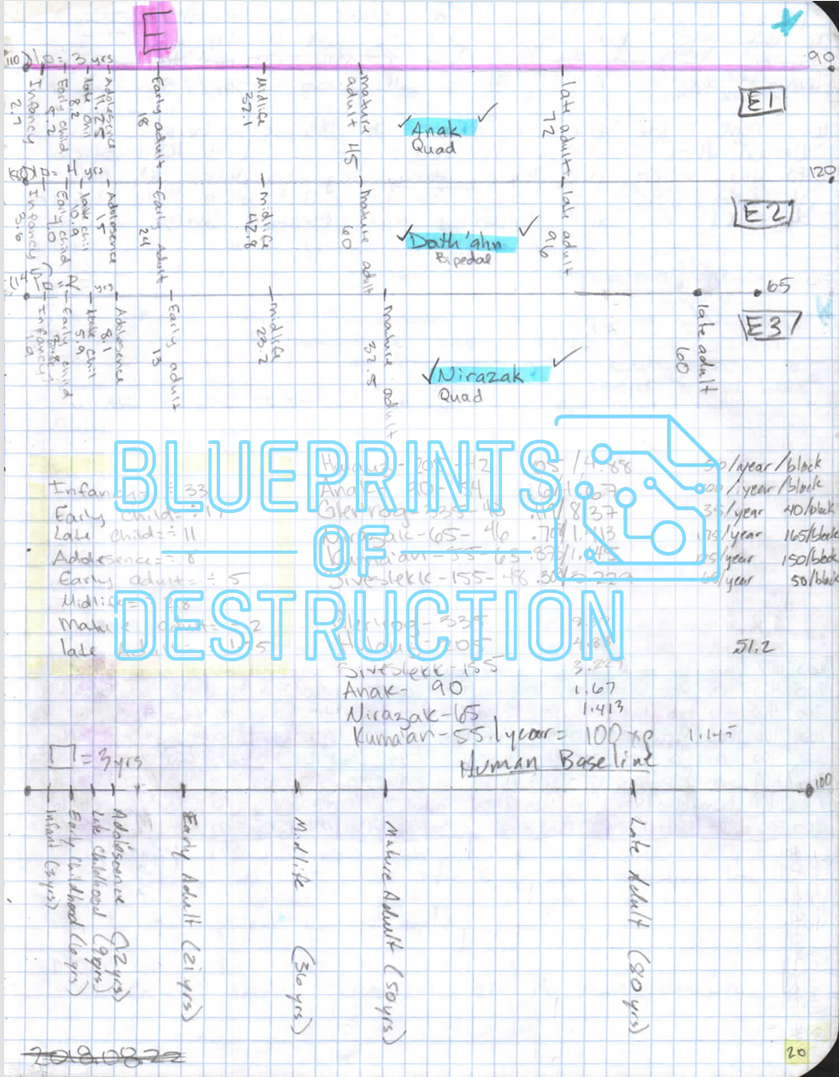
Humans were used as a template, not because they are the "correct" model, but because it is something that readers will intuitively understand. The initial species mapping was loosely based on the phases of life that humans experience.
For example, one could say humans live, generally, at most, 100 years. (We understand many humans live more than 100 years, of which the numbers will continue to grow, but for this example this was the general baseline.) Of those 100 years, the "infancy" phase lasts two years. Let's now convert those numbers to a species that lives roughly twice as long.
Generally, at most, the hulauz live 205 years. If we then take numbers at face value for the initial calculations, the "infancy" phase for a hulauz would last approximately four years.
This is not to say that the final details of each species' life cycle match the initial human scaffold exactly, but this is how the early draft of the species lifespans were determined.
Preserving Meaning
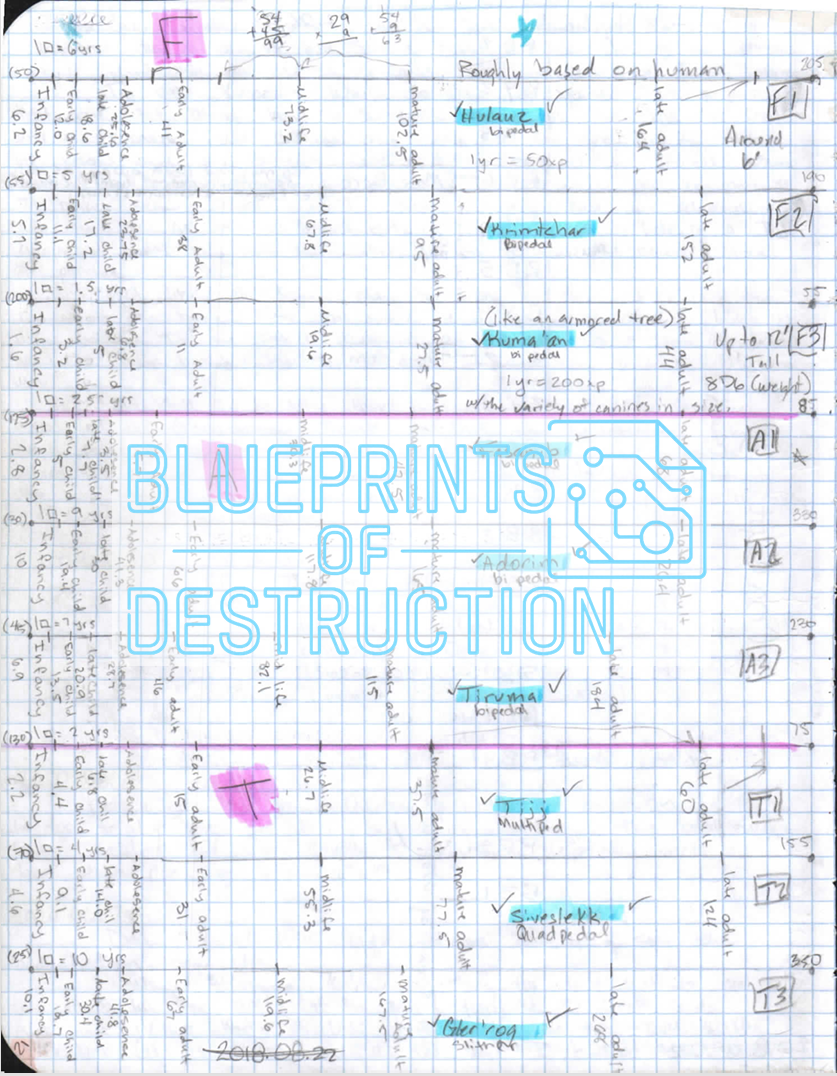
Randomization only laid the foundation in the development of lifespans. From the base numbers and templates, PhranqenLu was able to make necessary adjustments to preserve believability and add some variance in life stages.
Building Species-Specific Timelines
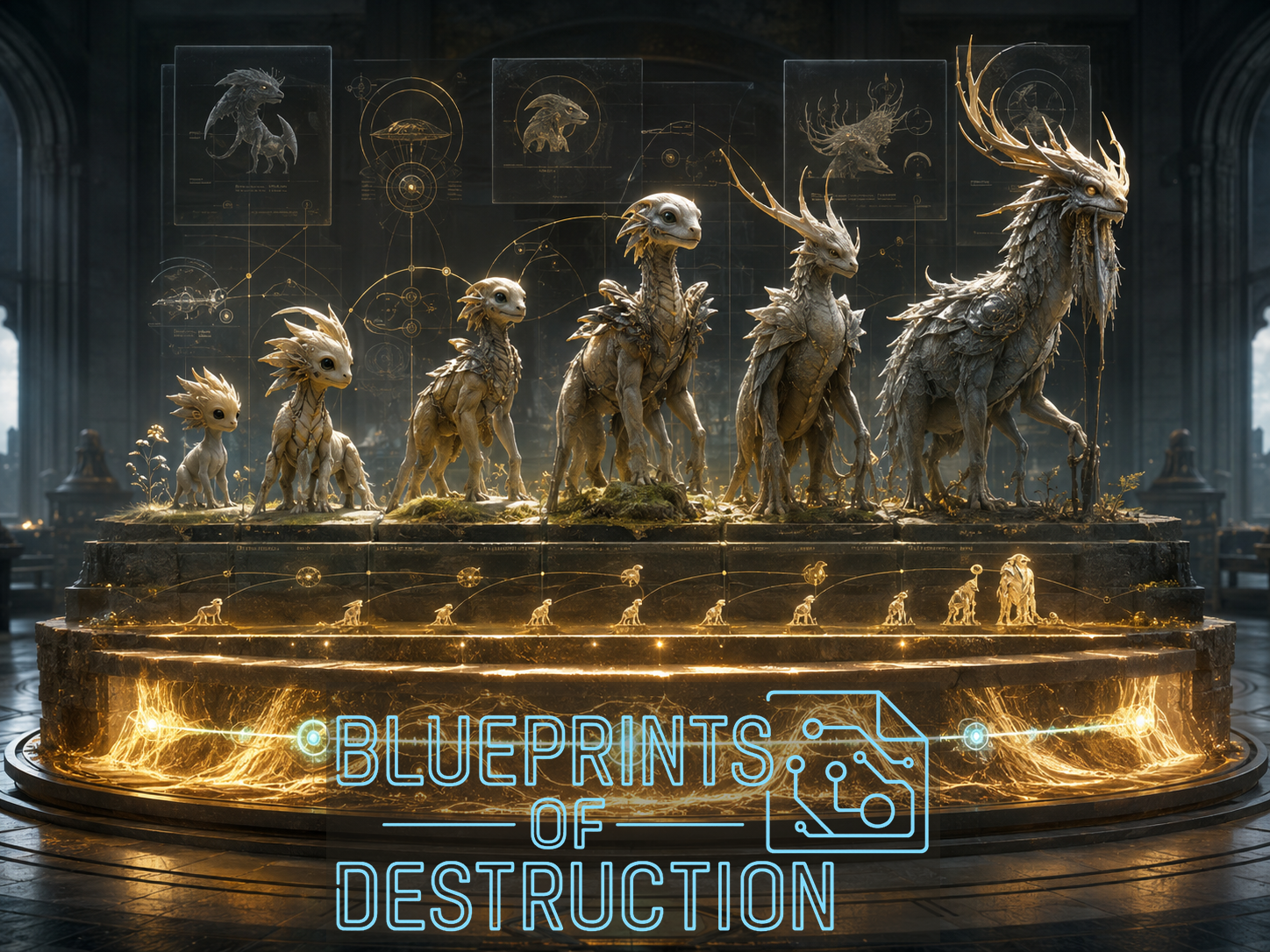
Using randomization, each species was able to develop from a foundation that provided unique lengths for the phases of life. This not only means that some species mature or stagnate more quickly, but indicates that some species might be more adaptable than others. Some species barely enter adulthood, even as another is entering the final years of their life.
Even in this early stage of development, social interactions began to form texture and nuance before much else about each species was ever determined or known. The idea of completely different cultures was taken into consideration, but the nuances and complexities had yet to be fully evaluated.
Interesting Revelations
The most interesting side effect of developing the species' average lifespans first was that cultural tension had already begun to appear, even though at this stage the differences were little more than Storystorm ideas.
How You Might Be Able to Use Randomization
Randomization is a tool that can serve you in many different aspects of developing both your world and your storytelling. Discovery of your world, instead of planning, allows you to break free from the same old tropes, cultures, and character types.
Interested in trying randomization to develop a species? Retrace PhranqenLu's steps!
- Randomize lifespan
- Choose a reference species
- Define life phases
- Match phases (not years)
- Adjust for social logic
- Let consequences emerge
This is a pattern that can work for many different styles of storytelling, from peculiar fantasy races, opposing tribes, all the way to exotic sci-fi species.
That is where the species of Blueprints of Destruction started. Not with claws, horns, or wings, but with time. Even before the aesthetic was developed, each species was already beginning to have its own unique texture and peculiarities.
Randomization isn't a shortcut. It is a flashlight. It shines a light into the crevices of your world and mind, as it reveals what may be lurking in the shadows. So grab a pencil, roll your lifespans, and start developing. May the species that arrive on the page amaze even you!