Blueprints of Destruction
Learn How Worlds and Stories Are Built
Every story takes place inside a world. But truly powerful stories are built on top of worlds that function like real systems.
This website explores how fictional worlds are built. Not just their appearance, but the deeper structures that shape them. Economics. Power. Justice. Culture. Communication. Consequences.
We break down the process of building worlds, characters, and stories that feel believable and alive. Through the development of the universe that surrounds Qualx, and the story of Blueprints of Destruction, these principles are demonstrated with concreate story development and ways you can apply them to your own worldbuilding.
Have you have ever wondered:
- How do I build a fictional world?
- How do I design a believable society?
- How do I create characters that feel real?
- How do I turn an idea into a story?
Then you are in the right place.
What You Will Learn Here
Many writing guides focus only on plot or character.
But stories do not exist in isolation. They exist within systems. The way that systems function shape every decision a character makes.
On this site, you will learn how to build the deeper layers that make stories compelling:
- Worldbuilding Systems
- Character Development
- Discovering Fresh Inspiration (Randomization)
- Political and Economic Structures
- Narrative Tension and Conflict
- Cultural Design
- Power and Control Within Societies
Instead of throwaway abstract theory, we explore these ideas through real examples, frameworks, and breakdowns. The universe of Qualx is a working case study, so you can better understand how theory can be applied.
You will see how ideas can evolve from simple concepts into fully realized narrative structures.
Worldbuilding: Designing Living Worlds
A believable fictional world is more than scenery.
Worlds are shaped by rules and systems. Who holds power? How is justice administered? Who controls information? What resources determine survival?
These questions define how societies behave, and how characters navigate the world around them.
Explore the foundations of worldbuilding:
- Justice Systems in Fiction
- Economic Systems in Worldbuilding
- Information Control in Societies
- Power Structures and Governance
- Cultural Development in Fictional Worlds
Understanding these systems allows you to design worlds that feel deep, coherent, and real.
Character Development
Characters are not created in a vacuum. They are shaped by the systems around them.
Culture, opportunity, conflict, and social pressure all influence the choices characters make.
Here we explore how characters emerge from their environments and how their personal journeys interact with the worlds they inhabit.
Character Development Topics Include:
- Character Archetypes
- Character Motivation
- Internal Conflict
- Character Transformation
- The Relationship Between Character and Society
When world and character are built together, the story gains emotional weight and momentum.
Story Construction
A story is not just a sequence of events. It is the movement of characters through the pressures created by the systems around them.
Conflict arises when systems collide with the character's desire.
Explore narrative structure:
- Plot Development
- Narrative Tension
- Foreshadowing and Suspense
- Pacing and Escalation
- Symbolism and Thematic Design
These elements transform worldbuilding and character development into a compelling narrative.
The World of Qualx
The ideas explored on this site grew out of the creation of a fictional universe.
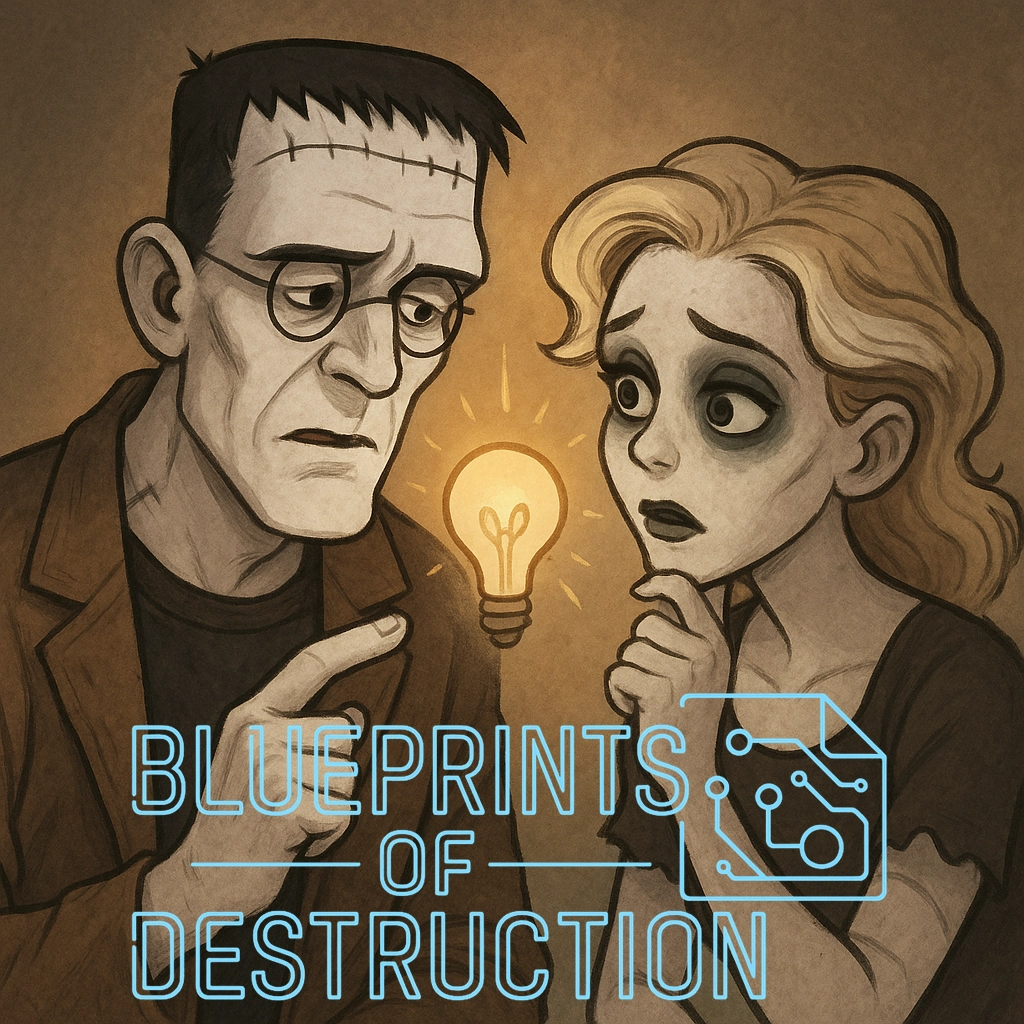
Blueprints of Destruction is a story set within the roving city of Qualx, where societies are structured around the concept of Life Rights, enforced by the Guild, and are balanced by the Archons and Senate.
Within this system, power determines survival, and the consequences of ambition ripple through entire civilizations.
This is a story that explores:
- Loyalty and Betrayal
- Power and Responsibility
- Freedom and Control
- The Price of Survival
By examining the systems that shape this world, we can better understand how complex stories are built.
Can You Write a Story?
Many people believe storytelling is reserved for the naturally creative.
That simply isn't true.
It is something that can be built.
If you have ideas that have lived in your mind for years: worlds, characters, or fragments of stories, then you already have the tools to create something powerful.
You do not need to be a perfect writer to begin. You only need the willingness to explore your ideas and develop them step by step.
That is exactly what this site is here to help you do!
Start Your Journey
If you want to learn how stories and worlds are built, start exploring the foundations:
- Beginner's Guide to Worldbuilding
- Designing Fictional Societies
- Character Development Systems
- Plot and Story Architecture
Writing a story does not have to be mysterious or intimidating. It begins with understanding the systems that shape a world, and the characters that live within it.
What makes this different?
We don't just give tips. We show the process. You'll see how ideas become structures, how characters develop under pressure, and how plots emerge naturally when worlds behave like real systems.
Ready?
The question isn't whether you can write a story. The real question is whether you're ready to roll up your sleeves and put the story that you've already been writing in your head down on paper. You don't need to invent a story. You already have one. You just need a way forward.