How to Write an Inciting Incident
Inciting Incidents in Storytelling: How to Start the Real Plot
Every story needs a moment when ordinary life stops being ordinary. That moment is the inciting incident.
The Moment the Story Begins
Some new writers sometimes struggle with storytelling because they may have a setting, a character, and an idea, yet their story has nowhere to go. The inciting incident is the moment that disturbs the character's normal life and pushes the main story into motion. This event does not need to be explosive.
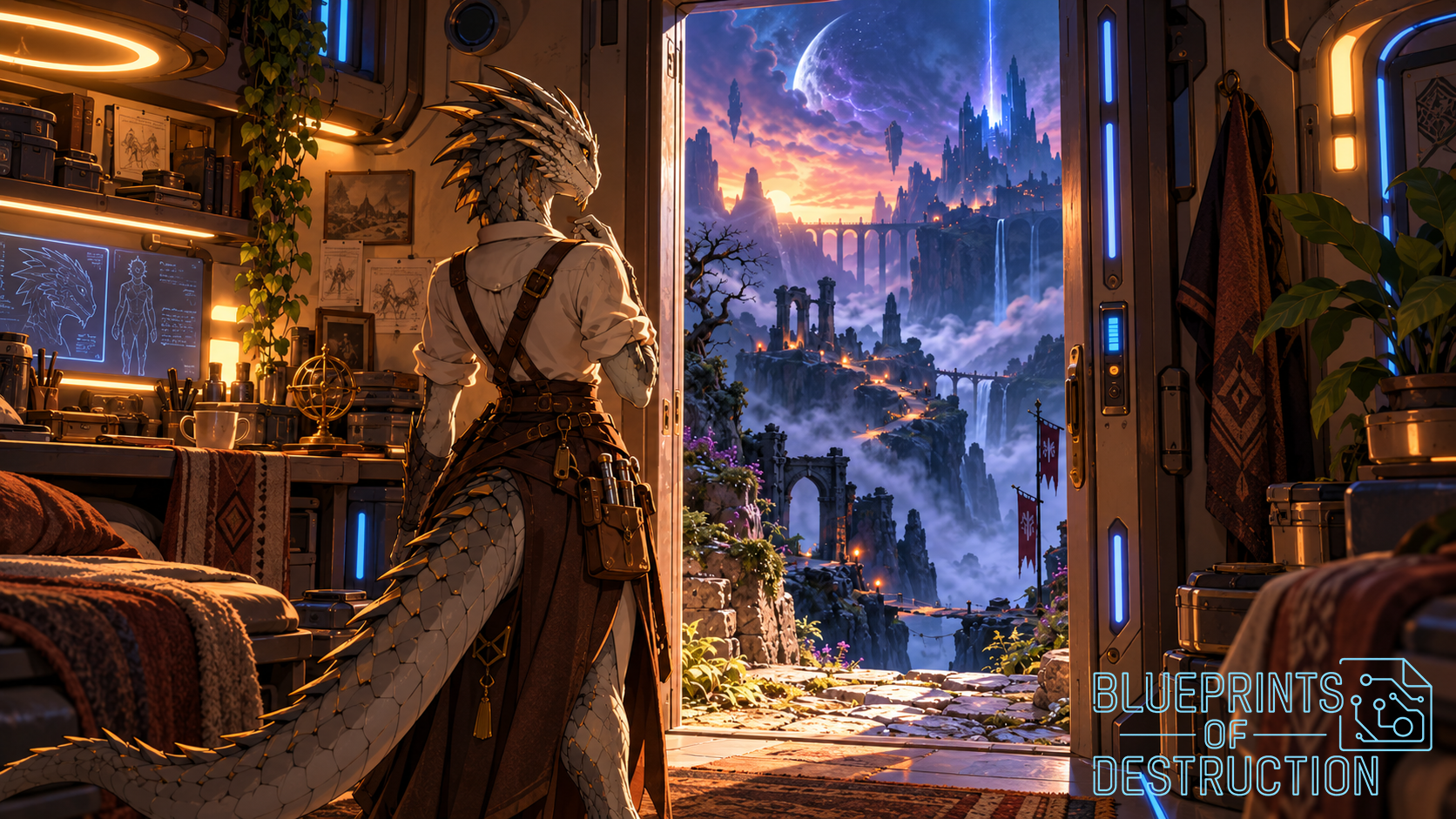
An inciting incident is a door opening that cannot be closed again. It is more than "something interesting that happens." It is the event that creates a problem, opportunity, or pressure that the character can no longer ignore.
Why Does the Inciting Incident Matter?
Without a direction to move in, a character exists inside of a world, aimlessly drifting through it. The character needs a reason to get broken out of their version of "normal" and deeper into a world of discomfort. The inciting incident creates direction and gives the character a goal to move toward.
Establish the Character's Normal
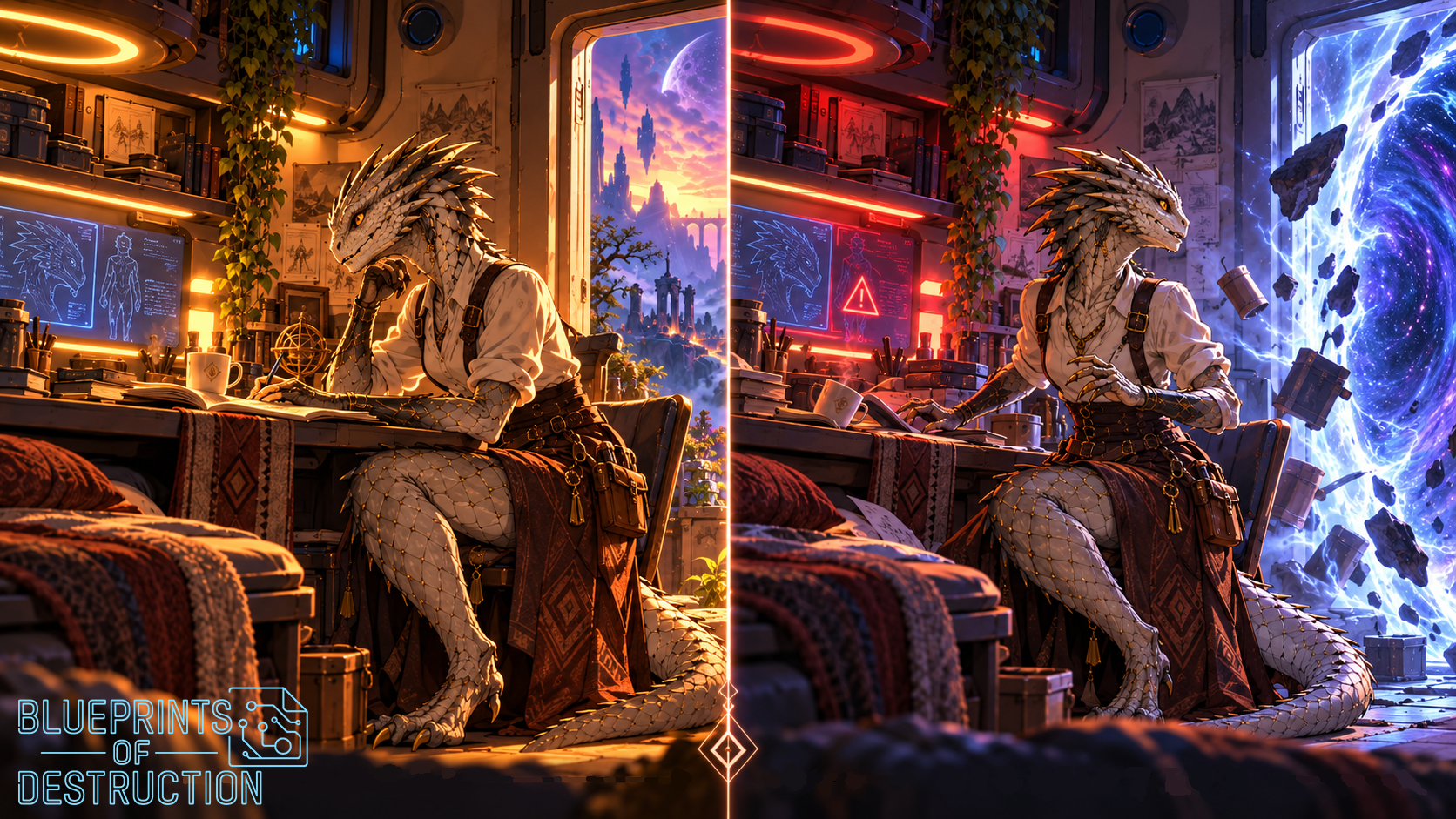
Before the ordinary life can be altered, it first needs to be established. Without a clear sense of what normal looks like for the world and the characters within it, the reader may not fully understand what has changed for the main character.
The inciting incident is so powerful because it changes, threatens, or challenges the baseline. Once the reader knows what normal looks like, they can feel why the change matters.

Inciting Incidents Do Not Need to Be Spectacular
A quiet inciting incident can be just as powerful as a dramatic one. It only needs to change the direction of the story. It can be:
- A letter
- A death
- A discovery
- An invitation
- A betrayal
- A warning
- A mistake
- A meeting
- A choice

What matters most is not how loud the event is, but whether it changes what the character must do next.
Creating a Question
The inciting incident should create a question for the reader. This question might be:
- Will the character accept the call?
- Will the character survive the threat?
- Will the character uncover the truth?
- Will the character fix the mistake?
- Who will the main character become as the story progresses?
- How will the other characters and events surrounding the focus character be affected?
The inciting incident gives the reader a reason to keep reading because it gives the protagonist a reason to take action.
Common Mistakes
1. An action that does not fit the story.
An inciting incident should feel connected to the story's main conflict. If the event is exciting but does not connect to the character's problem, goal, or future choices, it may feel random instead of meaningful.
2. Waiting too long for the story to begin.
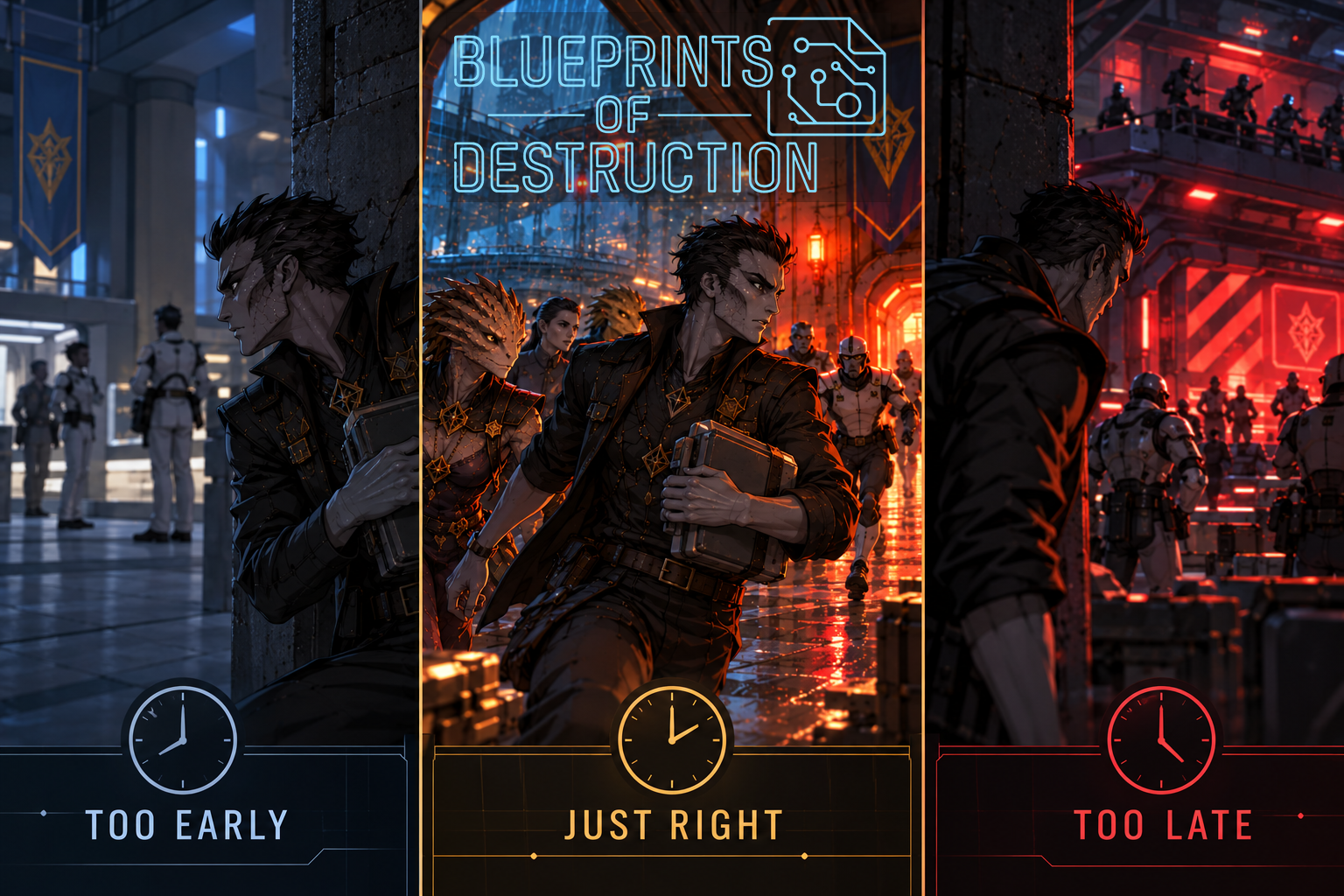
If a story starts out with a character meandering around their world for too long, the reader may lose interest. The inciting incident should happen relatively close to the beginning, usually within the first ten to fifteen percent of the story.
For a novel, this is usually somewhere in the first few chapters. If the story is a short story, this may happen in the first page or two. In a movie, it happens in the first ten to fifteen minutes.
3. Confusing backstory with an inciting incident.
An inciting incident is what affects the main character directly and jump-starts them into action. Backstory can explain why the inciting incident matters to the character, but it is not the event that gets them into motion.
4. Making the inciting incident happen to someone else.
The inciting incident should happen to the character that the reader is following. If the inciting incident happens to a different character, the reader may be confused about why the event matters to the main character.
The inciting incident may happen to a character other than the focus character, but the event can still be meaningful to the focus character and push them further into the storyline.
5. An event that the main character can ignore.
The inciting incident should matter deeply to the protagonist. Ideally, it connects to their main fear, want, wound, or need. If the event is small or meaningless to them, then there is no clear reason for the character to respond.
Inciting Incident Placement
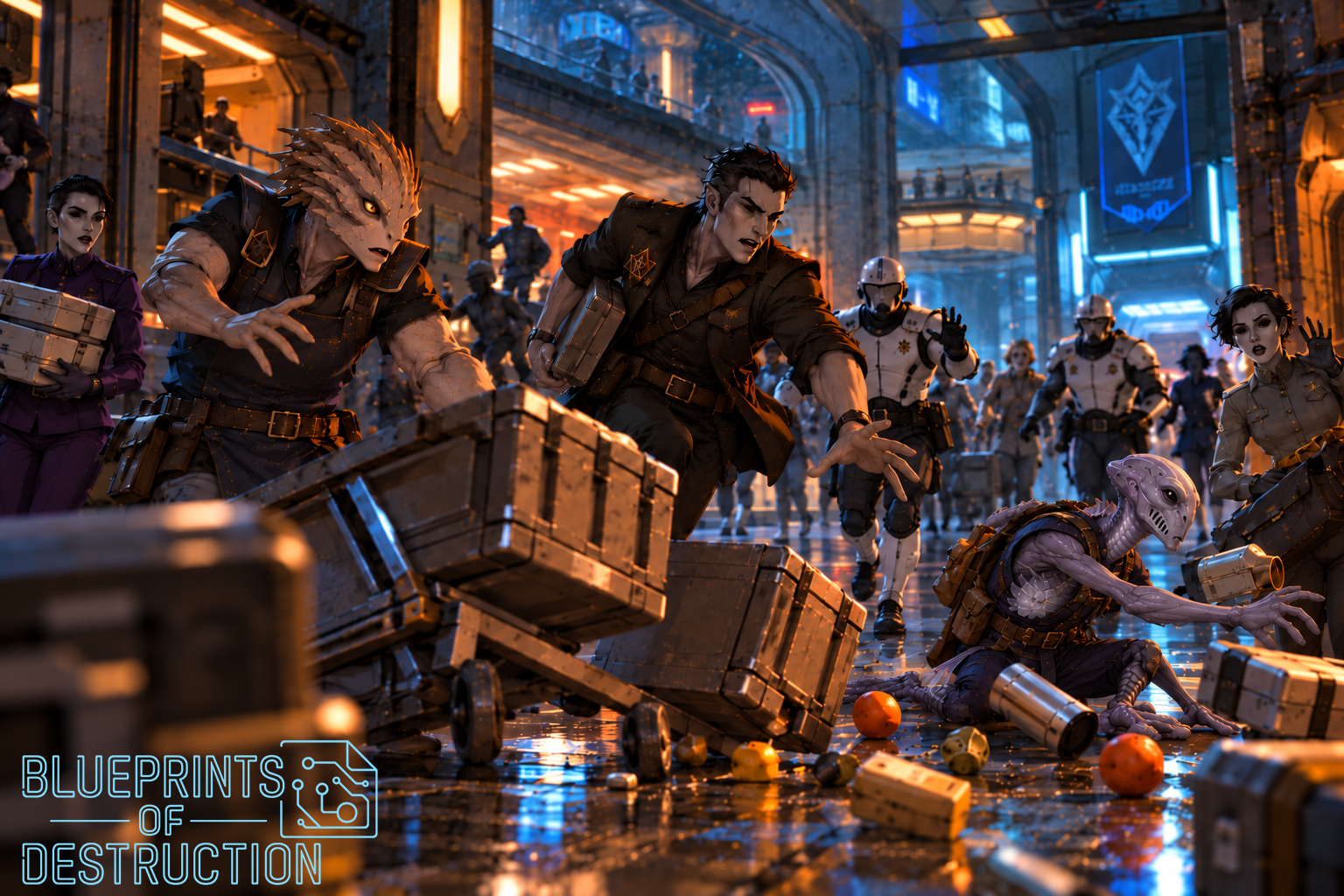
An inciting incident usually happens early in the story, after the reader has just enough understanding of a character's life that the disruption matters.
A strong opening often follows a rough pattern:
- Normal Life: This shows who the character is, what their world feels like, and what their current problem, desire, or routine looks like.
- Inciting Incident: Something happens that disturbs the normal.
- Reaction: The character responds, resists, or avoids. This may look like investigation, panic, or even making a mistake.
- The First Major Choice: This choice pushes the character to cross into the main story more fully.
Inciting Incident Vs. A Hook
Sometimes a story opens with action, mystery, or tension. This is not always the inciting incident. Sometimes it is a tool that gets the reader interested in the storyline.
An example might be:
- The hook is a monster attack on the first page.
- The inciting incident is when the character learns the monster is hunting them.
- The first major plot point is when the character decides to leave home and fight back.
Sometimes the placement of an inciting incident can be tough to determine. It needs to happen after the character's normal life has been established, but before the story starts to feel like it is wandering.
A Simple Formula
Normal Life + Disruption + Pressure to Respond = Inciting Incident
The character has a life.
Something changes.
Now they must respond.
Inciting Incident Exercise
- What is normal for your character?
- What event interrupts that normal?
- Why can't the character ignore it?
- What new question does this event create?
- What choice or pressure comes next?
An Open Door
The inciting incident is the moment a door opens in the story. The character either steps through it, gets shoved through, or spends the rest of the story trying to escape what came through the doorway and into their normal life.
Now it is your turn. The spark that your story has been waiting for might be to pick one character. Give them a normal day.
Mess it up.
Let something happen that your character cannot ignore.
Put that story onto a page, and get one step closer to unleashing your inner author!
