The Problem with Self-Insert Characters
Before we dive into how a self-insert character can hurt a story, we first need to establish what a self-insert character is.
What Is a Self-Insert?
A self-insert is a character who represents the writer inside the story. This is not always bad. Many characters contain pieces of their creators. Many writers infuse their own fears, hopes, questions, experiences, and personality into their characters and stories. Each of these pieces can become a useful ingredient.
The problem begins when the character stops being their own person and becomes the writer's personal wish-fulfillment device. Sometimes, this character becomes less of a person and more of a shield. Instead of serving the story, they only exist to protect the writer's ego.
Why Self-Inserts Can Hurt Storytelling
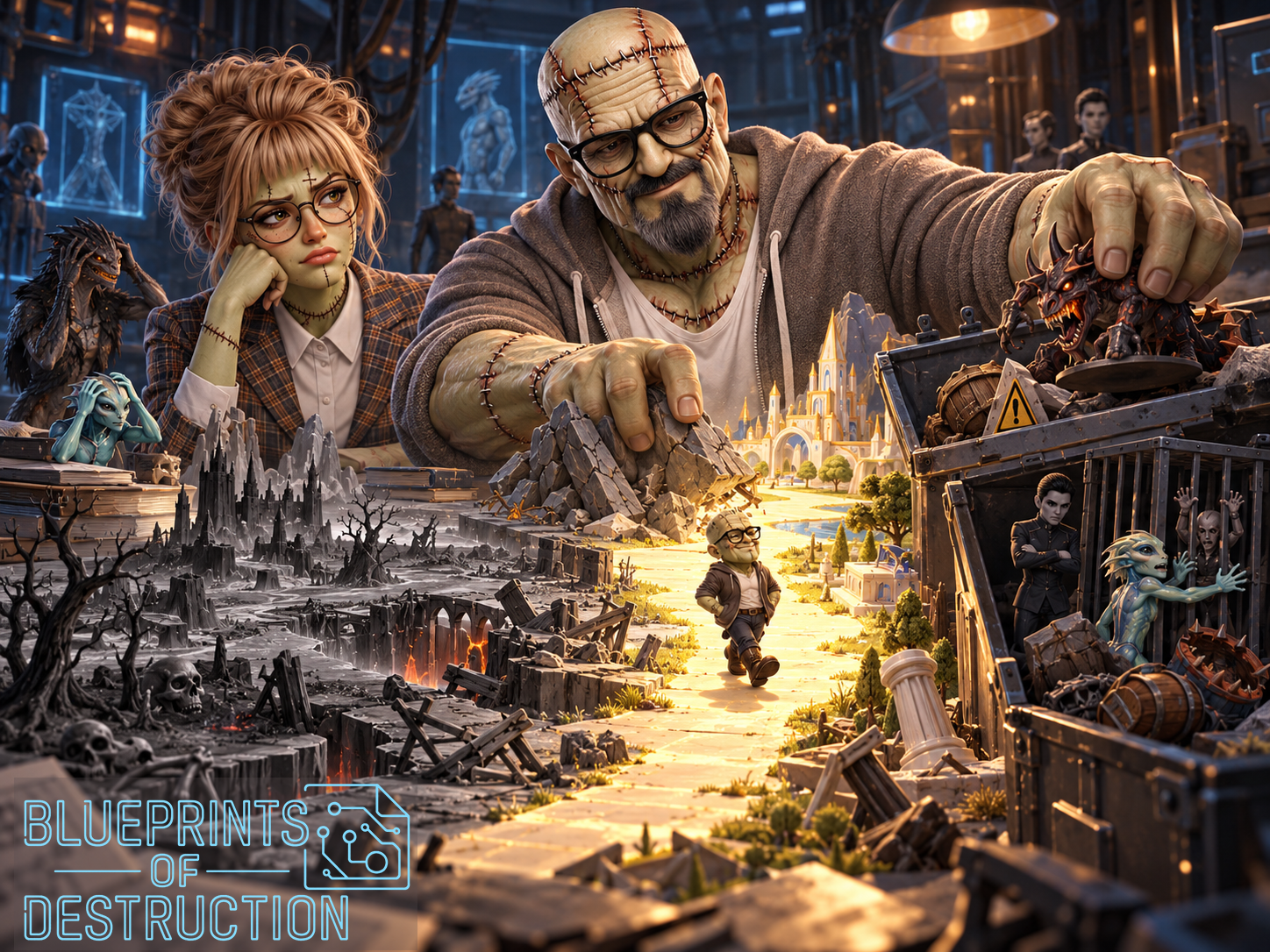
One of the main issues with this kind of character is that they often avoid pressure. They are protected from anything that would help them grow or change. This might include embarrassment, failure, correction, or consequence. Even the character's flaws are minimized until they become cool, cute, or excused entirely.
This creates several problems. A self-insert might result in the main character always being right. Conflict becomes weak because the writer will not let the story challenge them. Other characters shift from being active parts in the story into a person that exists only to admire, excuse, or support the main character.
The story becomes less about growth and more about validation for the author.
The Death of Storytelling
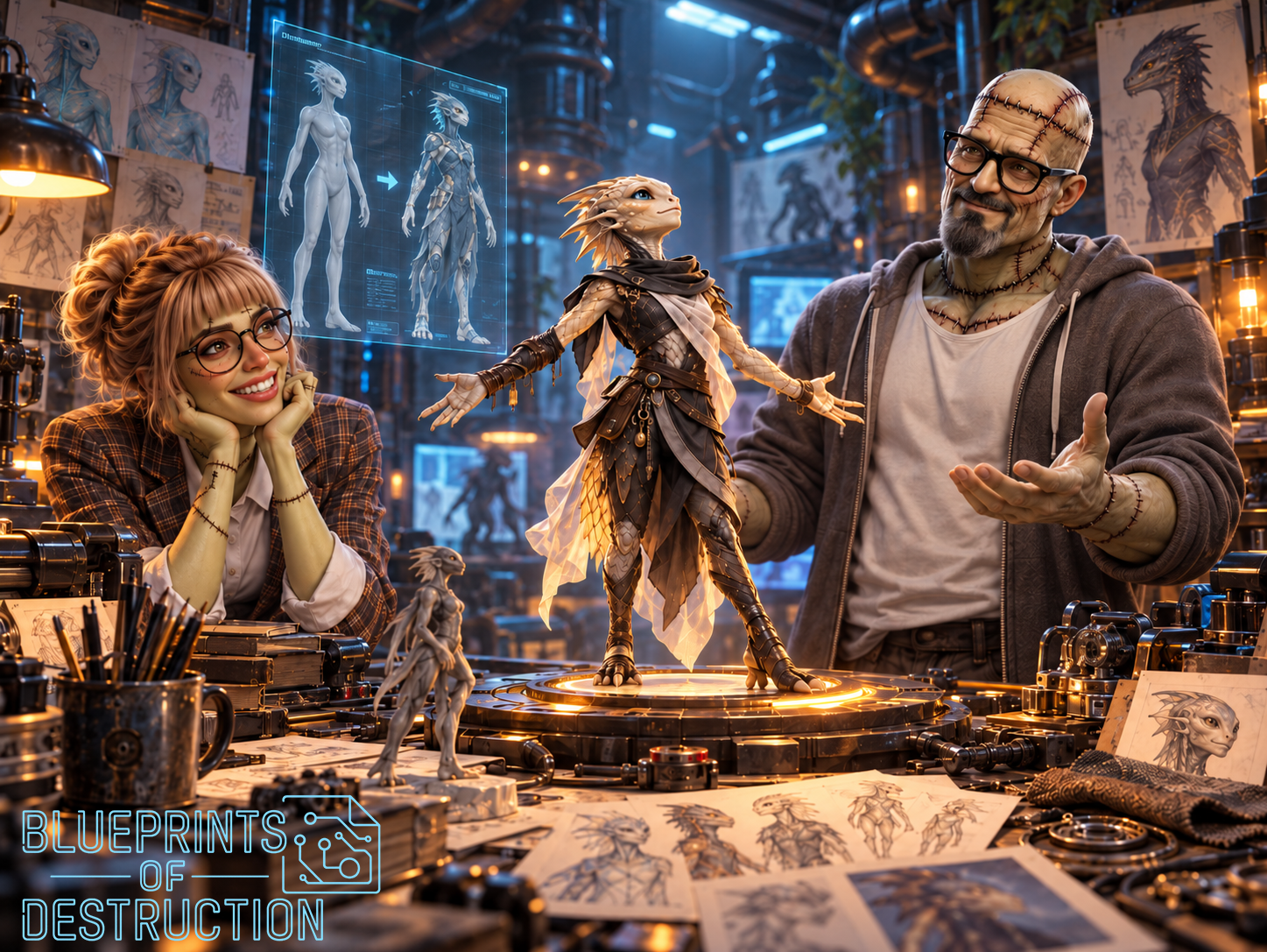
Good storytelling does not die just because a character is inspired by the author. Good storytelling dies when the author refuses to let their character suffer honestly.
A good story needs pressure, risk, and consequence. If a character is protected from these forces, a story loses its teeth.
A Healthier Way to Build a Character
In many cases, self-inserts are inadvertent. The writer is not placing themselves into the story on purpose. Often, a self-insert appears because the writer is building with what they understand. A self-insert can be the product of the author unconsciously choosing traits, motives, and outcomes that flatter themselves.
Randomization can interrupt that pattern by protecting the story from becoming too controlled by the author's ego.
Randomization to Escape the Trap
Randomized characters are useful because they interrupt your first instinct.
When you build a character, either from preference or experience, it is easy to choose traits you admire, flaws you find acceptable, and the beliefs you agree with. Without meaning to, you may create a character who is less of a fictional person and more of a perfected version of yourself.
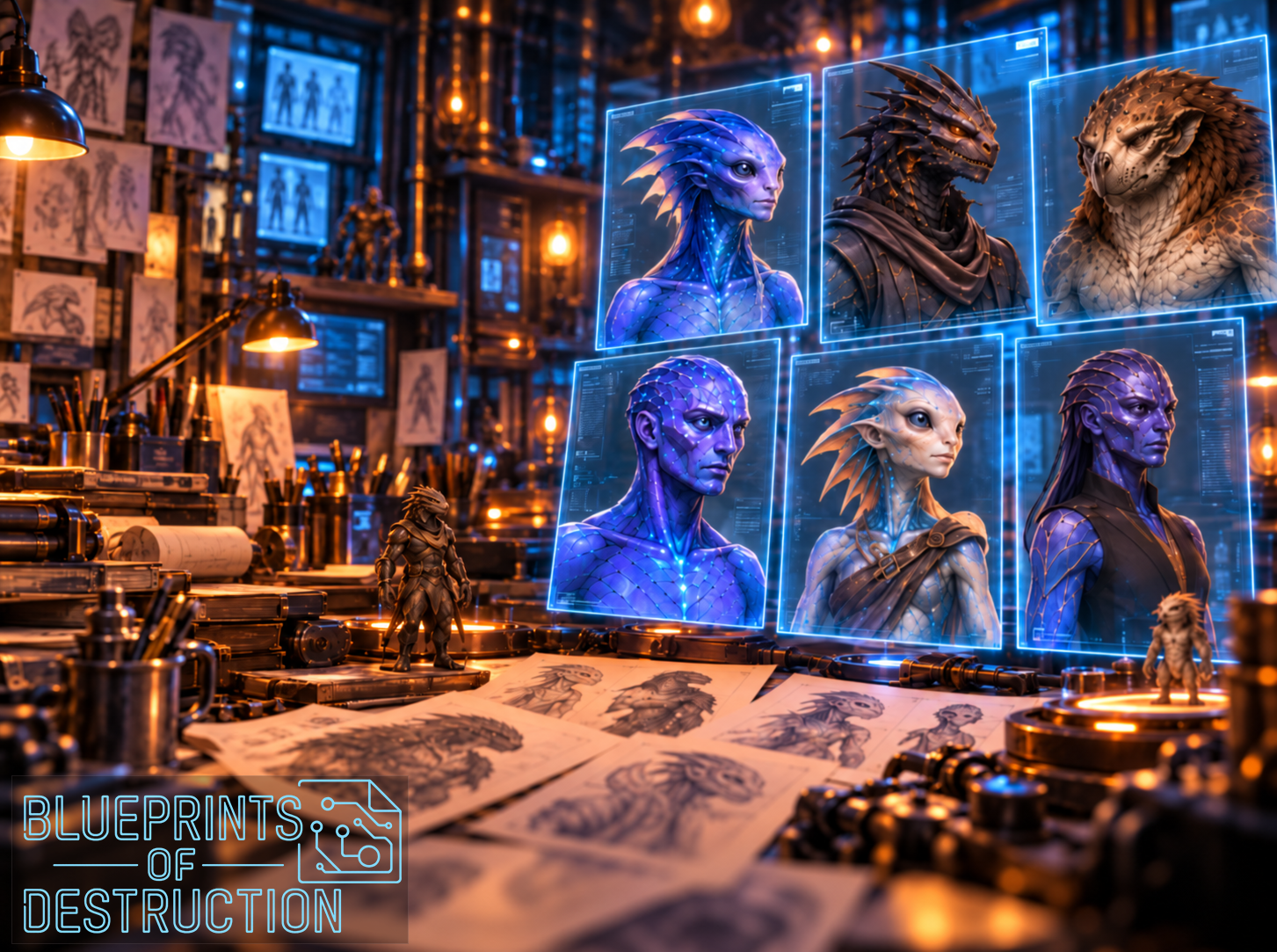
Randomization fights against that instinct.
A randomized character may receive a trait you would not have chosen. They may have a weakness you find uncomfortable or even detest. They may be aggressive, dishonest, prideful, timid, selfish, or self-sacrificing. You may even up with a character that you hate.
These unexpected traits force you to ask questions.
- Why is this character like this?
- Why does this trait hurt them?
- How does this trait help them?
- Who in the story might disagree with them?
- What happens when this part of them causes trouble?
These questions help a character separate from the person who is creating them.
How Randomization Helps Creativity
Ultimately, a self-insert begins with control. The writer already knows who the character is, what the character believes, and how others should respond to them.
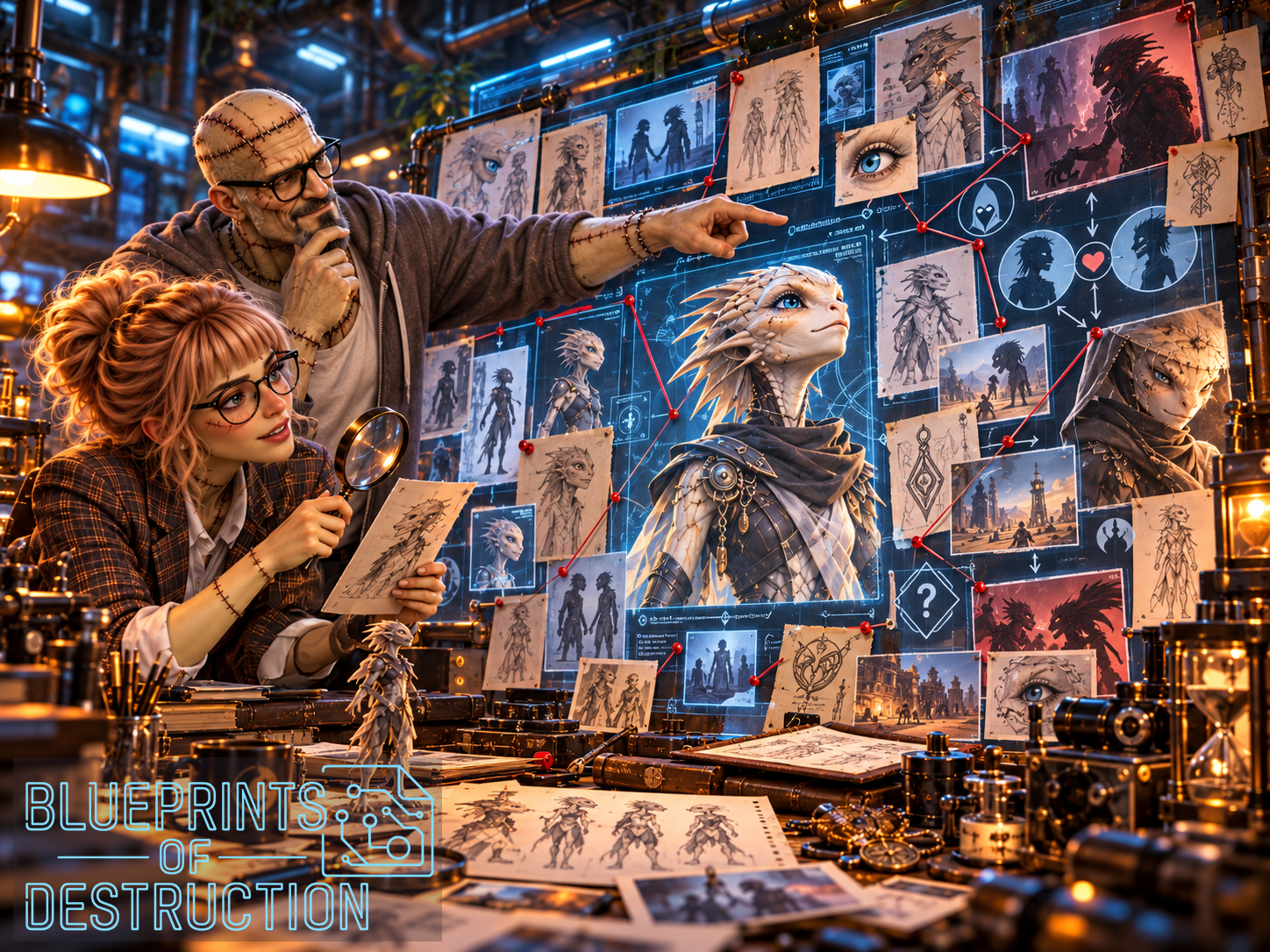
A randomized character begins with discovery. The writer has to investigate the character instead of protecting them. This is an important distinction. Randomization does not replace creativity. It gives creativity something to respond to.
When a character is discovered instead of controlled from the beginning, they are more likely to become complex. They can develop contradictions that the writer does not have, make choices the writer would not make, and carry traits that the writer does not personally share. A discovered character can even make choices the writer disagrees with.
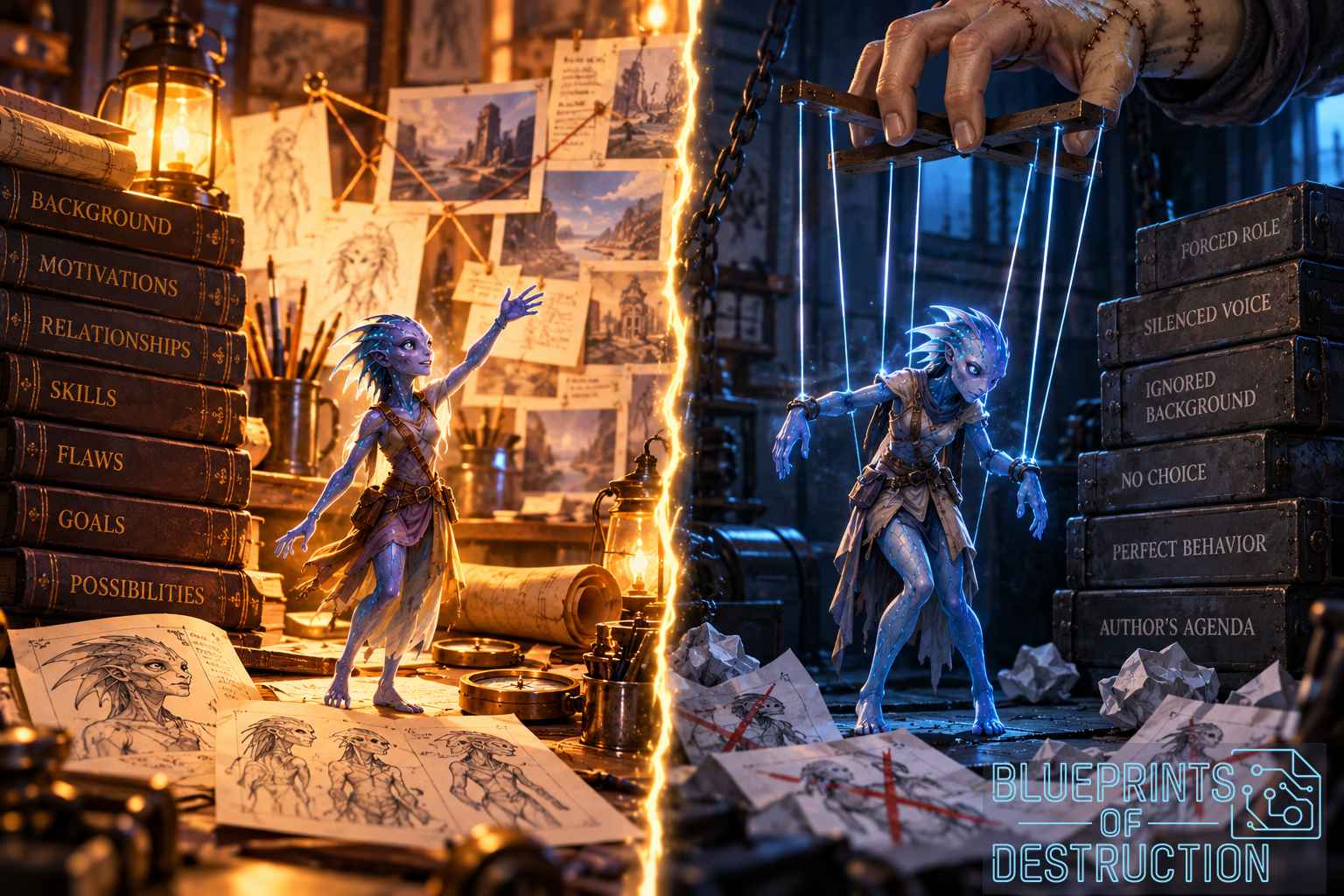
These qualities make the character feel less like a puppet and more like a person.
A good character is not just a collection of traits that the author likes. A good character has strengths, weaknesses, contradictions, past hurt, and a unique way of thinking. A randomized character may not be the person you expected to write. That is the point. The surprise forces you to start asking,
"Who is this person, and why are they this way?"
Practice Making Unique Characters
Generate a character with the Character Randomizer. Choose a trait that you personally dislike, disagree with, or would have otherwise not have picked. Instead of removing it, build around it. Ask how this trait affects the character's goals, relationships, fears, and decisions.
This can help you move away from wish fulfillment and toward real storytelling. The more you are able to step into your character's shoes, the easier it will be to unlock your inner author.
