Why Characters Feel Flat (And How to Fix Them)
Most characters don't fall flat because they are boring. They fall flat because they don't have clear desires or motivations.
Flat Characters
A flat character is not necessarily too simple of a character. It is a character that does not capture the reader's mind. To the reader, flat characters may only feel like they are existing, but aren't truly living.
Let's explore some reasons this might happen.
Internal Tension
Real people are contradictory. A flat character knows exactly what they want, precisely who they are, and never questions him or herself. This may sound like a solid, well-built character. In reality, this is what kills character depth.
In order to help a character feel more alive, give them traits with which the reader may engage. If they have doubts, conflict, and competing desires, there is texture and realism that the reader can grasp onto throughout the story. Give the character two things that cannot coexist, then the reader can watch as they grapple with those ideals as the story progresses.
Agency
A character might end up feeling like background noise if they are only responding to events, are being pushed by the plot, or appear to be simply following others.
Readers connect with decision makers, even if those decisions are poor ones. They aren't looking for a passenger of the story to meander by; they are looking for a character that can drive events. To help a character do more than just react to events, it is important that they choose something difficult, cause consequences, and move the story forward.
Too many flat characters are only defined by the plot, having none of their own motivations.
If a character exists only to deliver exposition, move the plot, or fill a role, they can end up feeling a little bit lifeless. When a character doesn't have any independent motivation they end up as a hollow husk of a person.
If, instead, you are able to clearly define what a character wants outside of the main storyline, and you let them make decisions based on their own choices, you can give them a natural vibrancy and create interest from the reader.
Stakes
The stakes of a story need to matter for the characters within it. There needs to be a reason they are in the story. If a life-or-death situation still feels flat, it is because it isn't personal enough.
As an example, if a character needs to "save the world," it can feel abstract and on a scale that the character, and perhaps the reader, can't relate with. But, if the stakes of the story are to "save my sister," a much more tangible and heartfelt goal is presented.
Every major event should tie to something emotionally specific.
Flat characters often don't have cares of their own, and instead only mirror what the plot is demanding. Simply caring only about what the plot needs doesn't allow for characters to have conflicting motivations. A character becomes more interesting when they have internal desires and conflicts they need to struggle through in order to reach the end goal.
Specificity
Flat characters are often built from either archetypes or vague traits. But these are labels not character identities, and are almost always as tired as they are overused.
Specificity is what brings vibrance and life into a character.
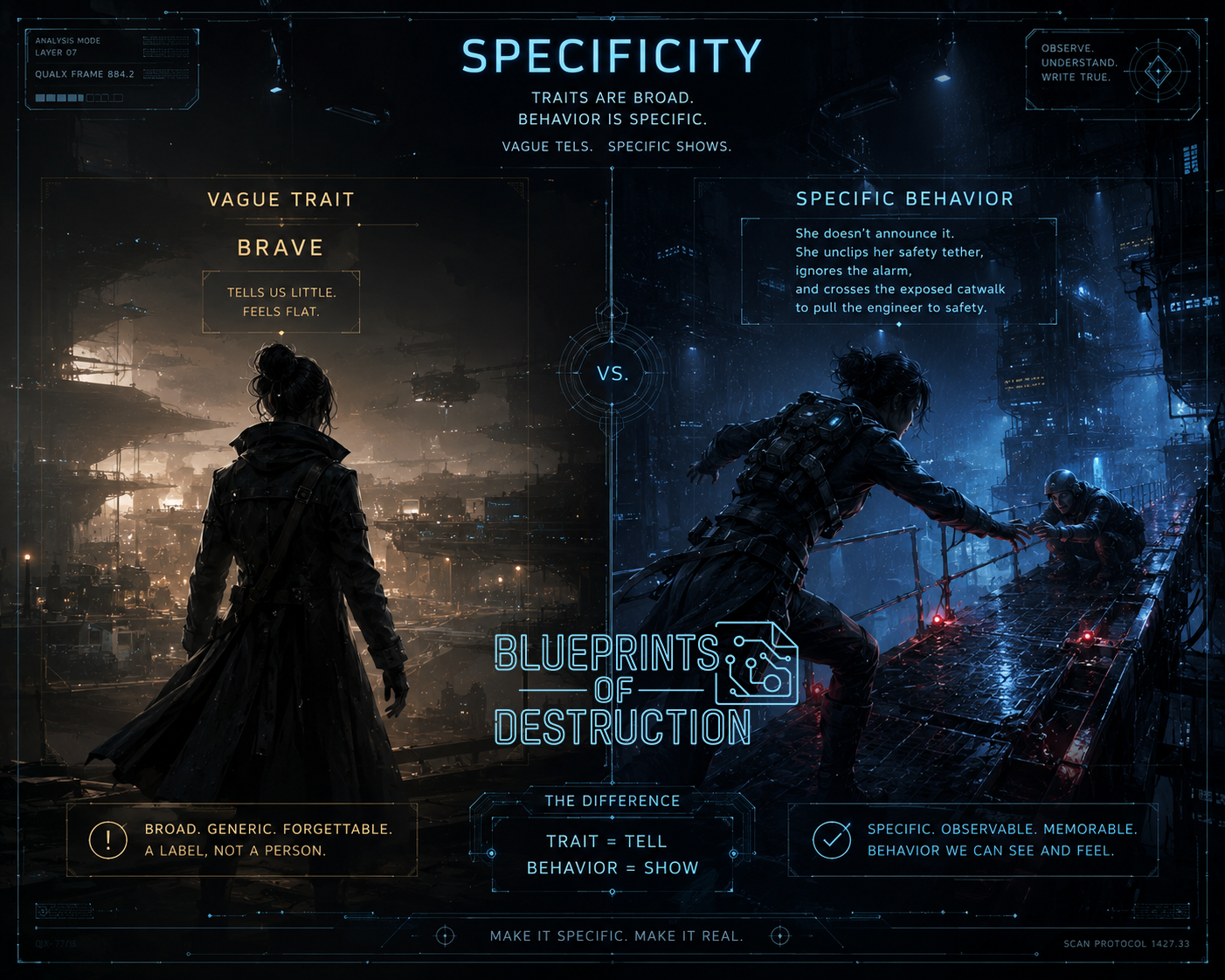
Simply saying, "He's brave," lands the character on the ground in a bland puddle. In contrast, if the premise is, "He pretends to be brave, because he was mocked for being weak," you are much closer to a character that feels real.
Instead of generic traits like kindness, loyalty, or strength, it is better for complex characters to have behaviors, habits, and contradictions interlaced into those traits. These advanced components make for a better story engine, which can result in a more interesting journey.
Lack of Change
A character can become flat because they end the story the same way they started: with the same beliefs, behaviors, and worldviews. This makes a character feel static (or even worse), they appear to change but nothing meaningful actually happens.
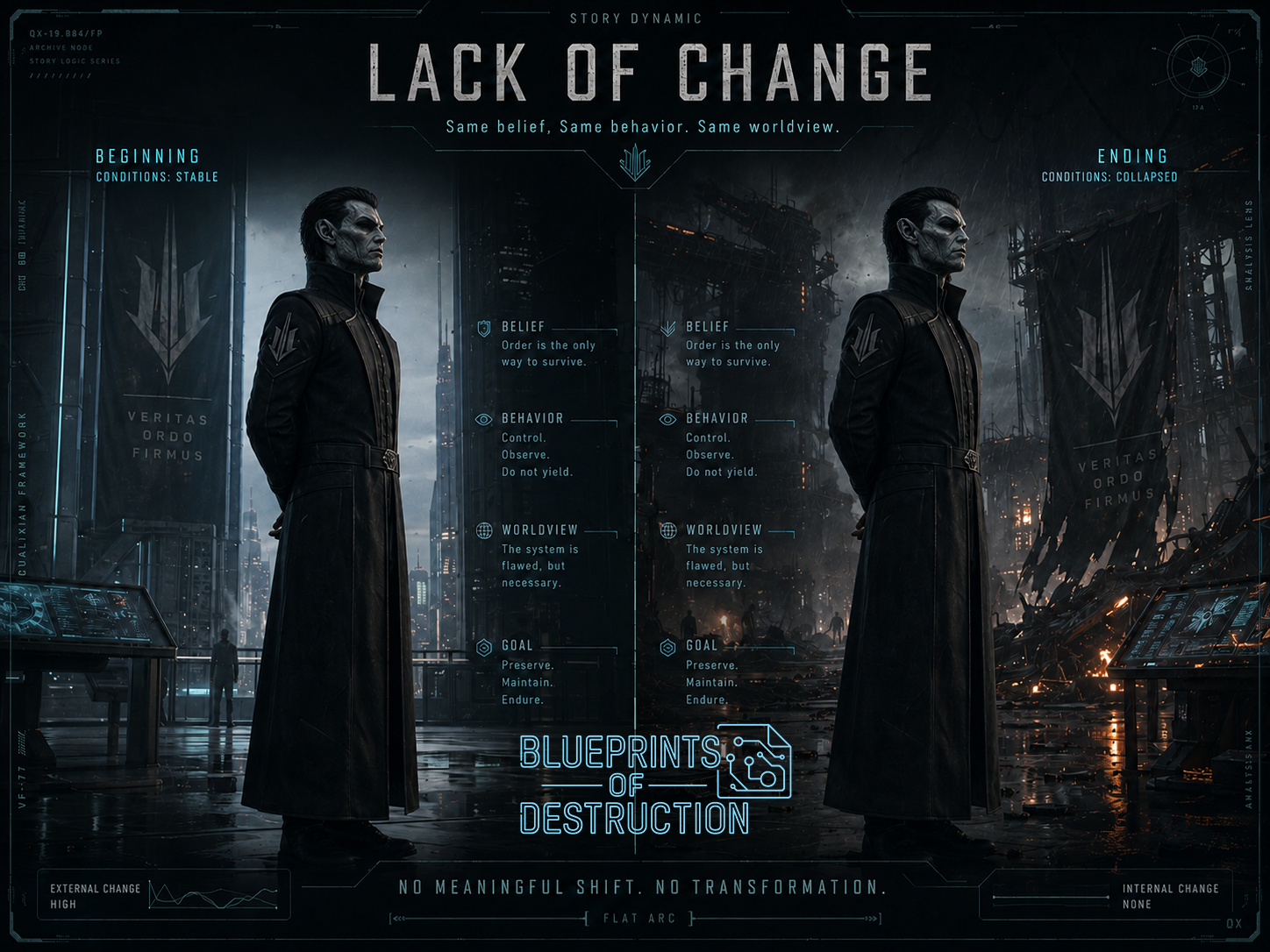
Change doesn't mean becoming better, it means becoming different.
The fix to this is to understand what your character believes at the start, analyze what will break that belief, and make sure that their belief changes by the end of the story.
Lack of Backstory
A common trap that creates flat characters is that their backstory does not affect their present behavior. If their past doesn't influence their choices, create biases, or create fear or desire, a huge element of character development is lacking.
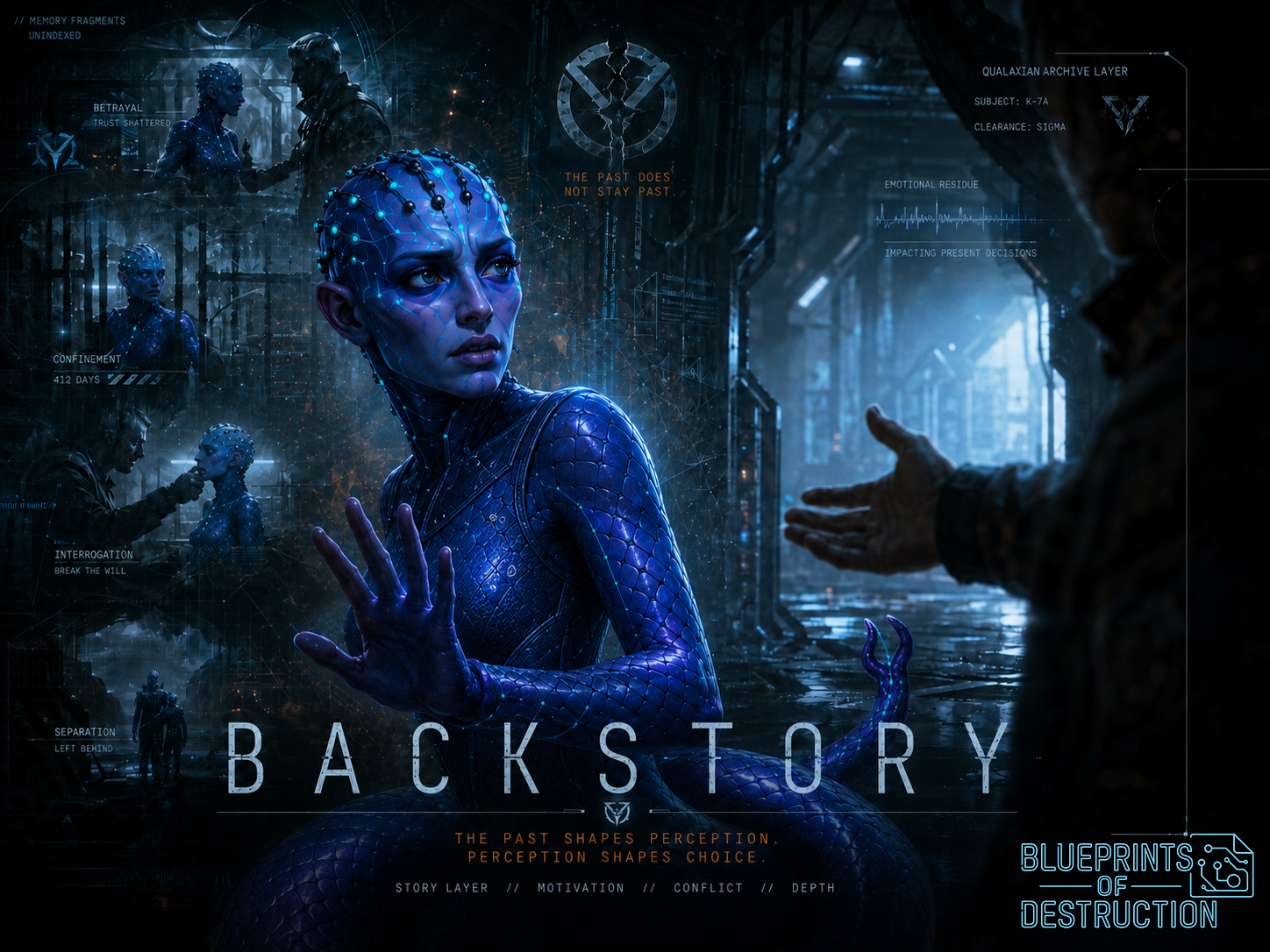
A well developed backstory is always helpful and an important element to character development from the writer's perspective. While a character's backstory does not need to show up in written form as part of the narrative, it should influence how a character makes decisions.
Let the character's backstory distort how they interpret events and influence their choices, especially when they make critical decisions.
Friction
Flat characters are often too agreeable, fit smoothly into every scene, and never challenge anyone. Conflict is what creates texture and dimension inside of a story. Relationships should have tension, misalignment, and emotional cost. Even allies should have misunderstandings, want different things, and have a clash in methodology and values.
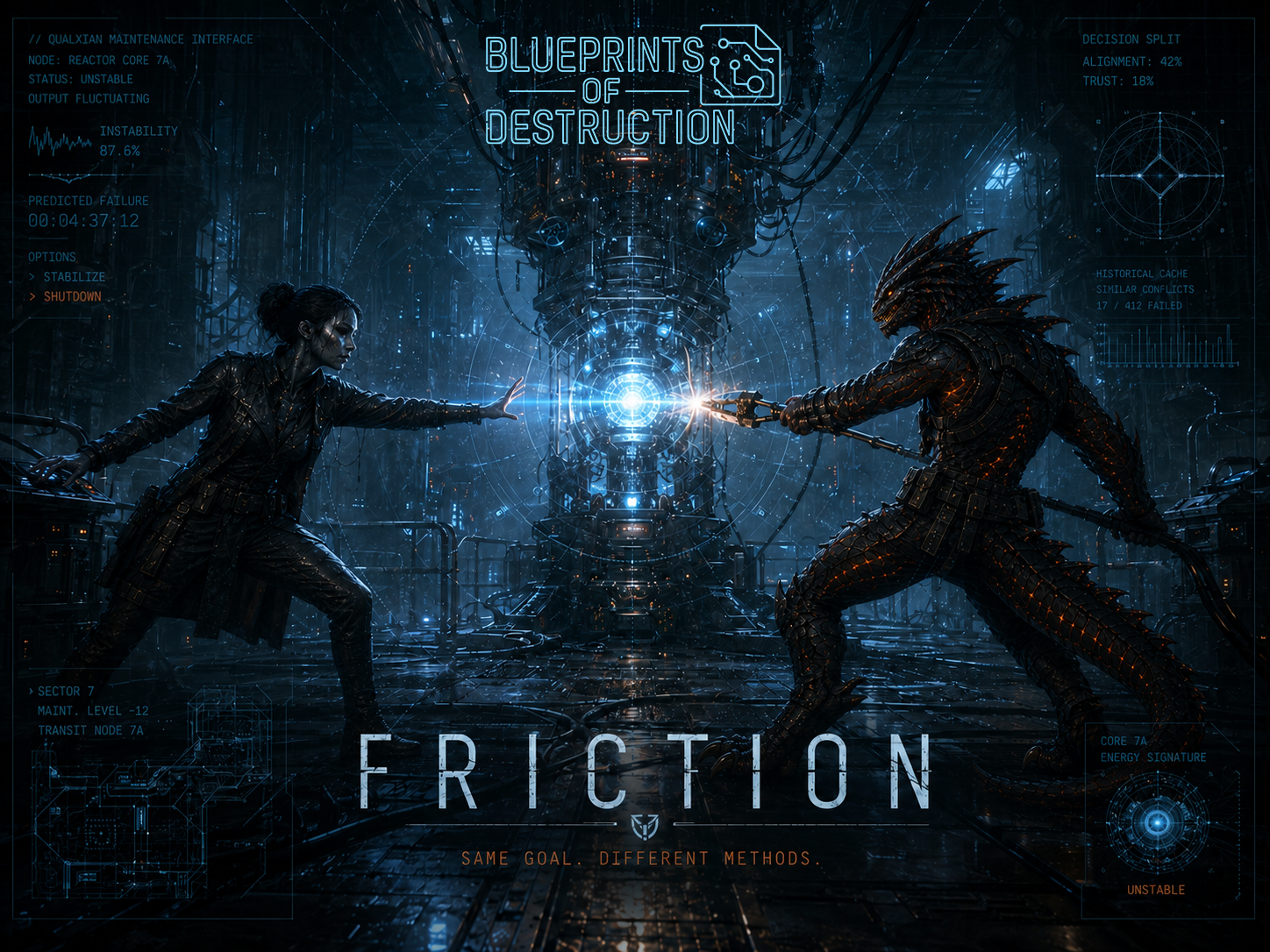
A character feels flat when nothing inside them is pushing against anything else. If there is no tension, no contradiction, and no pressure, they become smooth and uninteresting. When a character becomes too smooth, there is nothing to catch the readers attention.
Character Motivations
While you might be able to identify why your character is falling flat, it is another matter entirely to know how to fix this problem.
Characters are driven by fear, desire, pressure, and independent motivation.
This is where Character Motivation Diagrams (CMDs) come in.
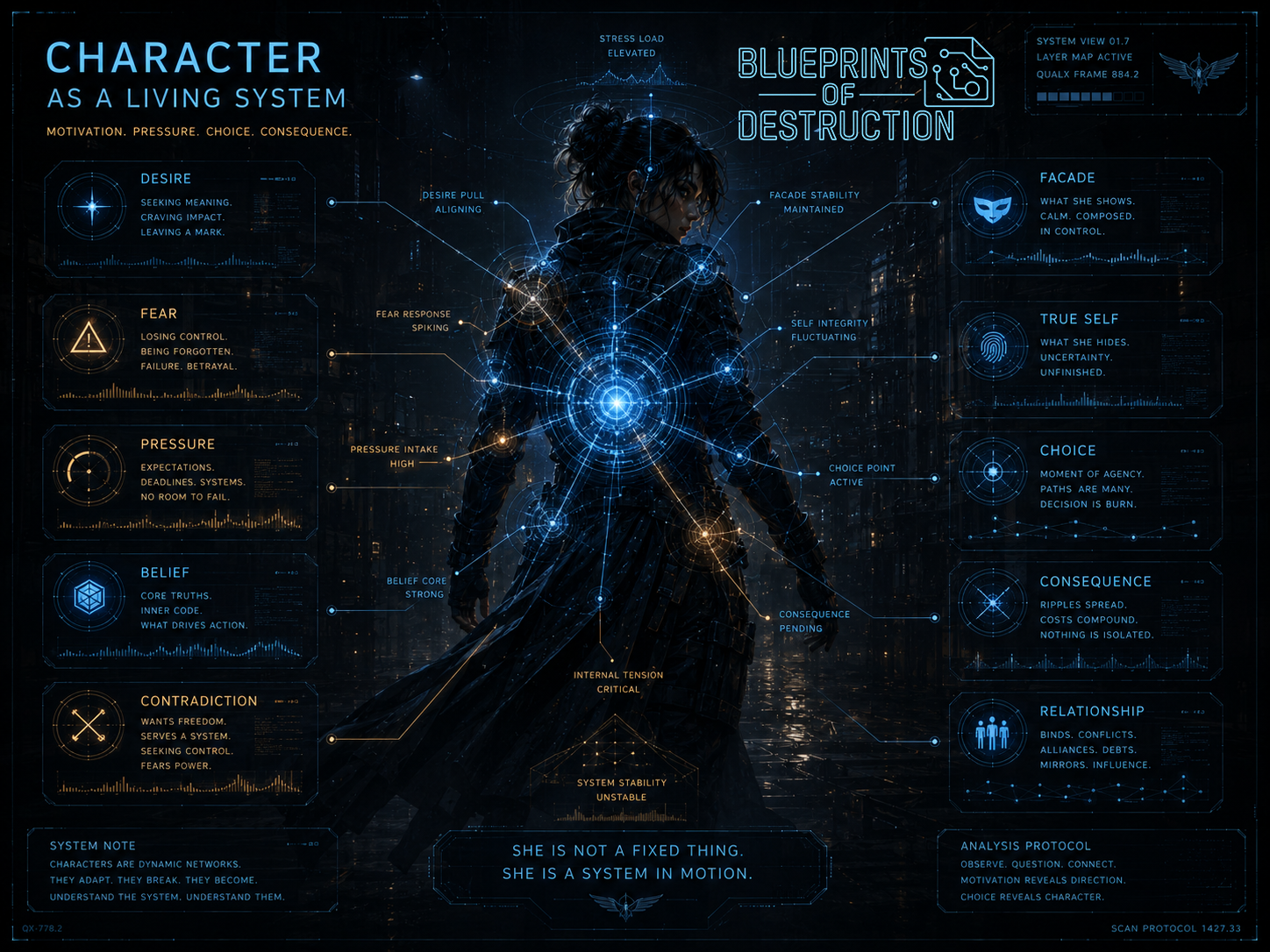
CMDs are a resource that help develop a character's personality. Because it is a chart generated randomly, it eliminates the natural desire to use one's own personality as an influence, even subconsciously.
As creators, worldbuilders, and authors, it can feel almost impossible to set aside our natural tendencies, and create something that feels completely unique from ourselves. Sometimes setting aside what we find virtuous or reprehensible, or even what we personally find admirable, can feel challenging. Randomization can bridge the gap between the creator and what is being created.
How Randomization Creates Conflicting Characters
Humans default to the known. Cliches. Archetypes. Clean characters.
Unfortunately, that isn't how good characters are made. People aren't clean cut. They are conflicted, make bad choices, and struggle (in the best-case scenario) to reach over to those who have different beliefs than them.
Randomness introduces contradictions, tensions, and original characters with perspectives unique to them as standalone individuals.
A character does not become interesting because they have more traits, a longer backstory, or pages of carefully written notes. They become interesting because something inside of them is always evolving.
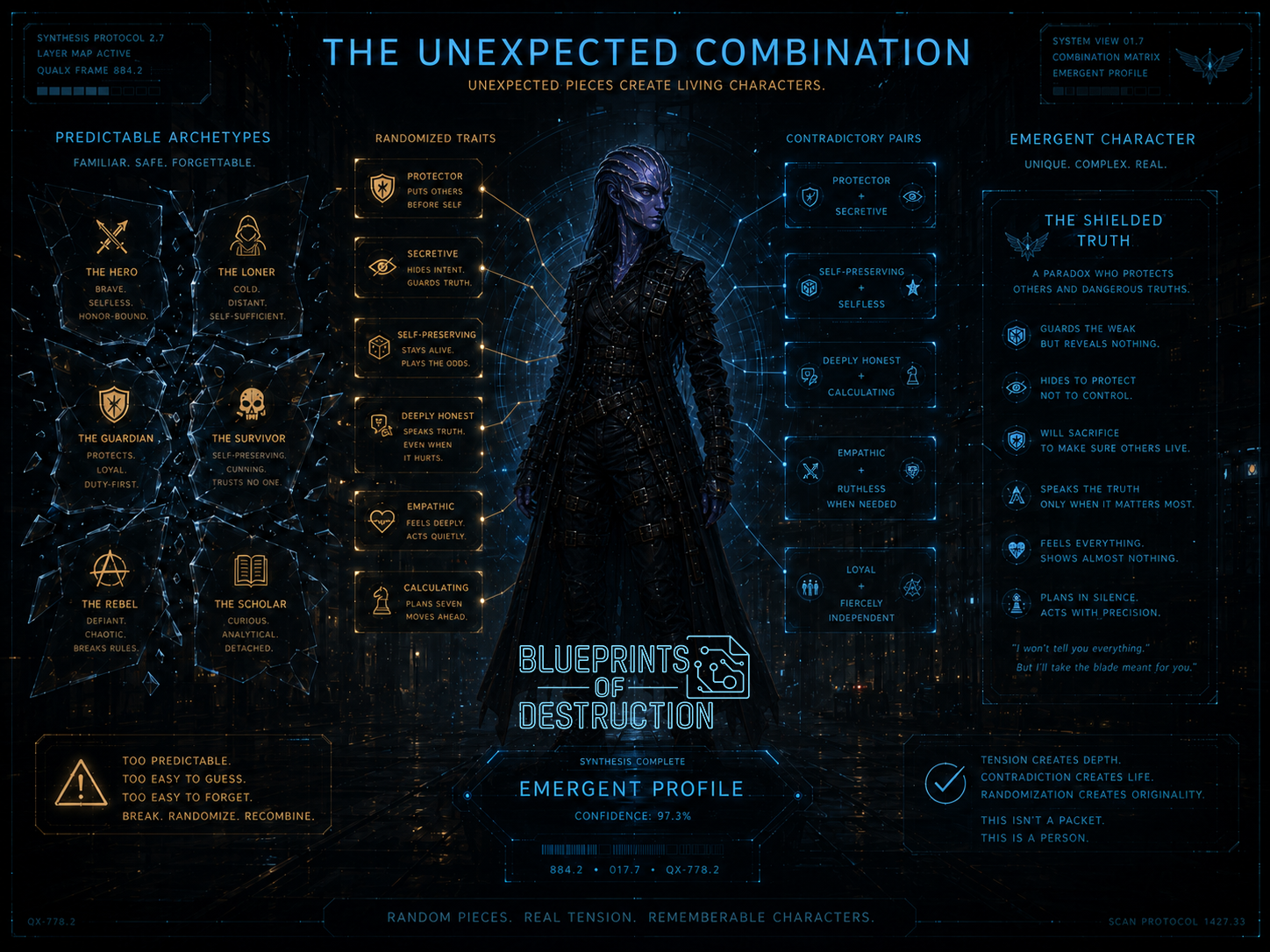
They want something. They fear something. They believe something. Regardless of what they are, a character's inner workings should be challenged. They make decisions, live with consequences, and grow because of their own actions.
When those elements work together, a character stops feeling like a collection of facts and starts feeling like a real person.
If your characters are falling flat, don't ask, "How can I make them more interesting?"
Instead, ask what is happening inside of them that the reader can follow. The answer to that question will help your characters come alive.
Continue Developing Your Characters
If you are interested in building characters with deeper motivations and more believable internal conflict, explore these resources:
- Using Randomization as a Creative Writing Tool
- Character Motivation Diagram (CMD): Introduction
- Character Motivation Diagram: Basic Mechanics