World Conditions: Establishing Normal in a Story
World conditions are the forces, systems, and circumstances that shape everyday life. They include more than weather, geography, or technology. They might also include government, danger, scarcity, social expectations, available resources, and the amount of control people have over their own lives.
These world conditions can teach the audience:
- What to expect
- What to fear
- What to tolerate
- What opportunities seem possible
- What is considered unusual
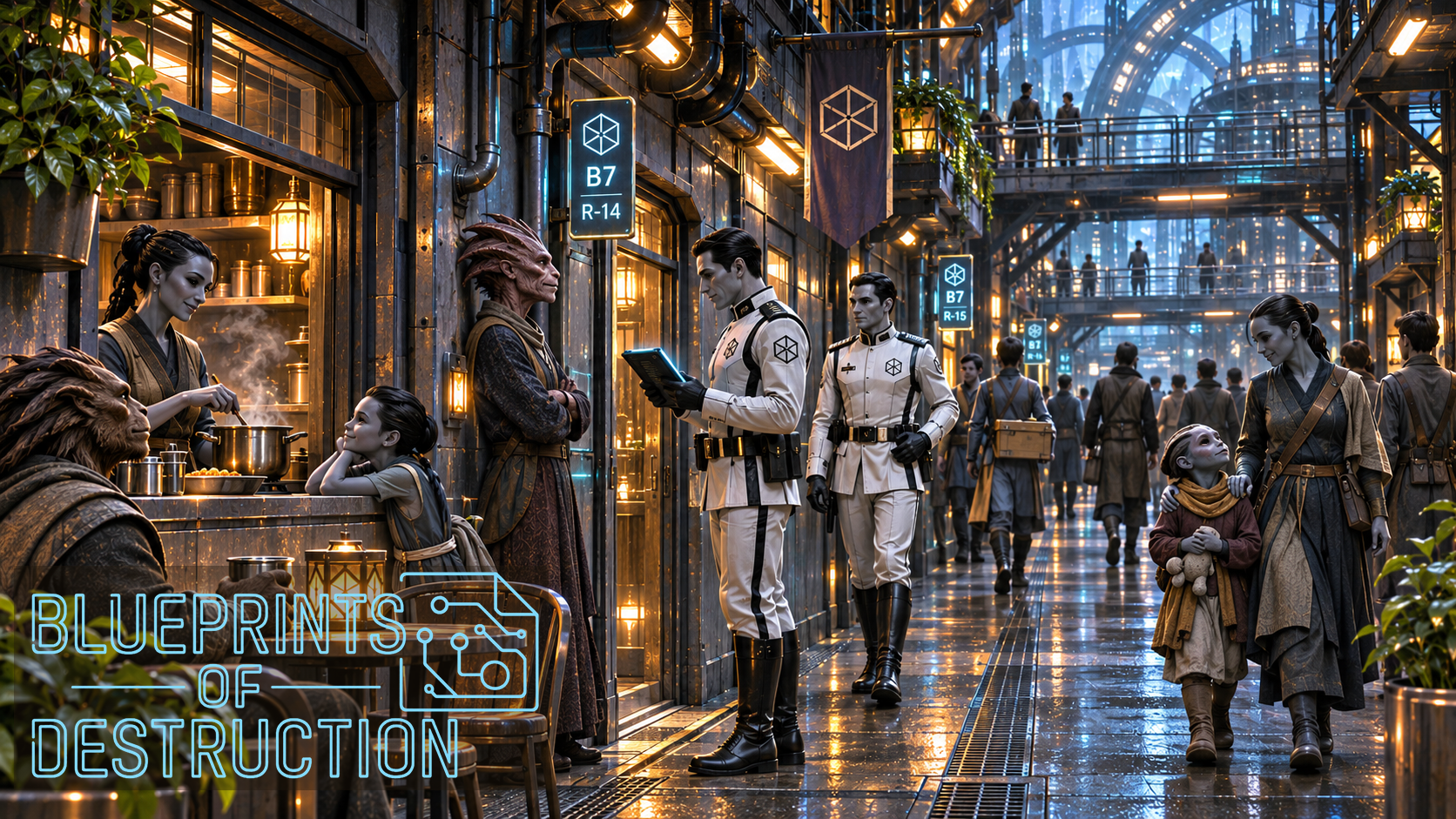
These conditions are usually introduced near the opening of a story. Even extraordinary stories often begin by showing ordinary patterns. These patterns may not look ordinary to the reader, but they establish what feels normal for the characters within the story.
The purpose of establishing normal is not to describe every minuscule detail of daily life, but to instead give the reader a baseline. Once the baseline exists and is understood, the story can disrupt it.
What Are World Conditions?
World conditions are the circumstances that shape life within the setting. These conditions can be broken down into seven broad areas.
Physical Conditions
These conditions include climate, gravity, terrain, atmosphere, natural disasters, and available livable space.
Material Conditions
Material conditions include food, water, housing, energy, medicine, transportation, and technology.
Political Conditions
These might include laws, enforcement, leadership, rights, corruption, and civic participation.
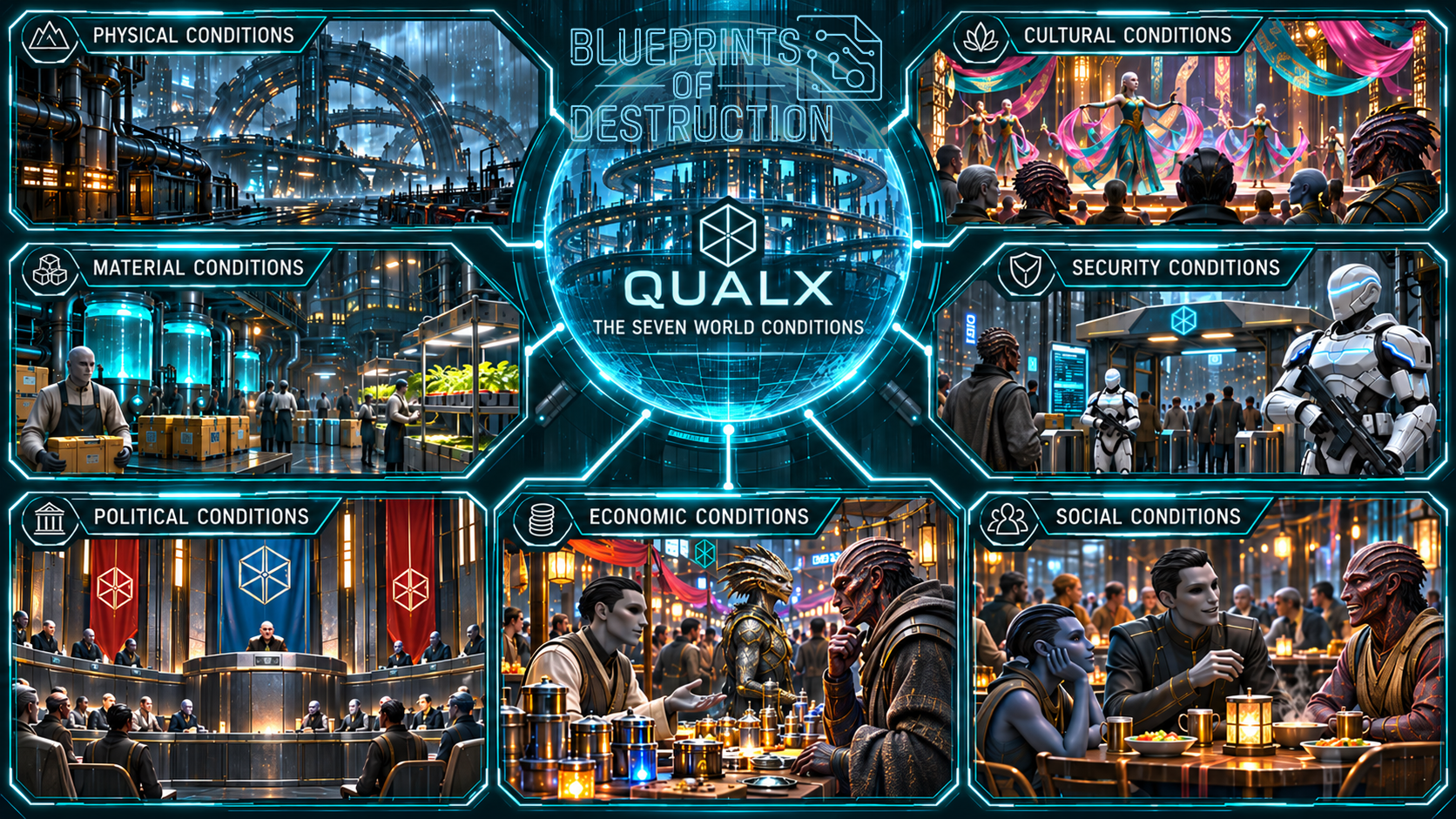
Economic Conditions
Economic conditions include employment, wealth, trade, ownership, debt, scarcity, and access to resources.
Social Conditions
Social conditions can include family structures, class, species relations, education, customs, reputation, and social expectations.
Security Conditions
Security conditions can include war, crime, predators, surveillance, instability, and protection.
Cultural Conditions
Cultural conditions might include beliefs, traditions, taboos, celebrations, shared history, and ideas about success or failure.
These broad conditions can overlap. A water shortage may begin as an environmental problem, but can quickly become an economic, political, and social one.
Expectations Through World Conditions
One important part of world conditions is that they do not only establish what happens, they also establish how characters respond based on what they expect to happen.
Examples of how world conditions can shape beliefs might be:
- Authority will protect us
- Authority cannot be trusted
- Travel is safe
- Strangers are dangerous
- Food will always be available
- Nothing should be wasted
- Anyone can improve their position
- People like us are never permitted to advance
- Violence is shocking
- Violence is part of daily life
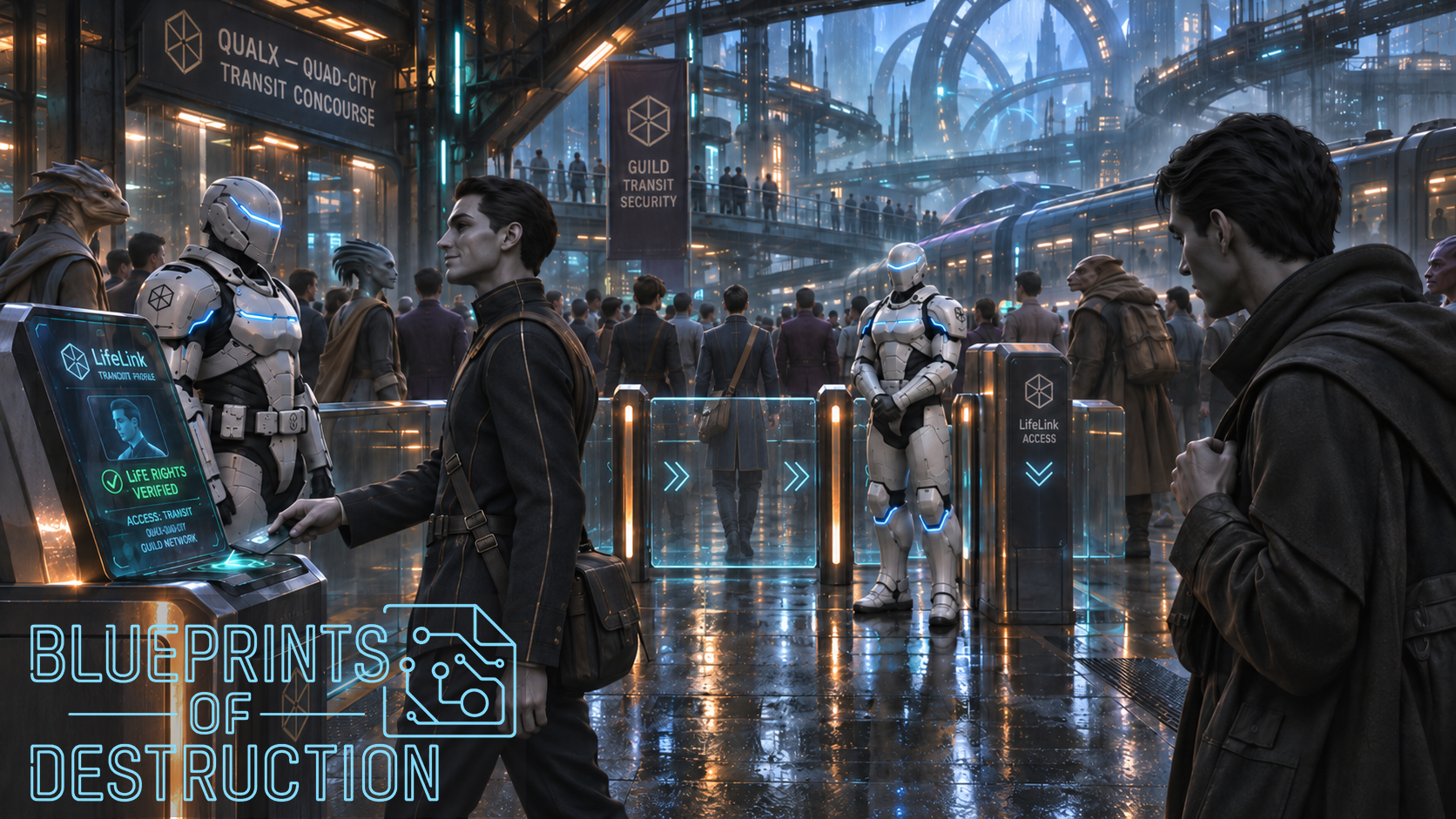
Expectations like these influence how characters make decisions long before the main conflict begins.
Normal Does Not Have to Match The Reader's Baseline
Characters can have experiences they consider normal without those experiences being fair, peaceful, or even healthy. Characters can be accustomed to exploitation, rationing, violence, surveillance, or fear. Normal only describes familiarity.
What has your world taught its people to accept?
One society may regard personal privacy as a basic right. Another may consider privacy suspicious. Neither condition needs to be explained if the characters' ordinary behavior demonstrates what the world widely accepts.
They key term in the last sentence is "demonstrates." It is critical to demonstrate through storytelling rather than exposition which can help keep the story from bogging down.
Overlapping Versions of Normal
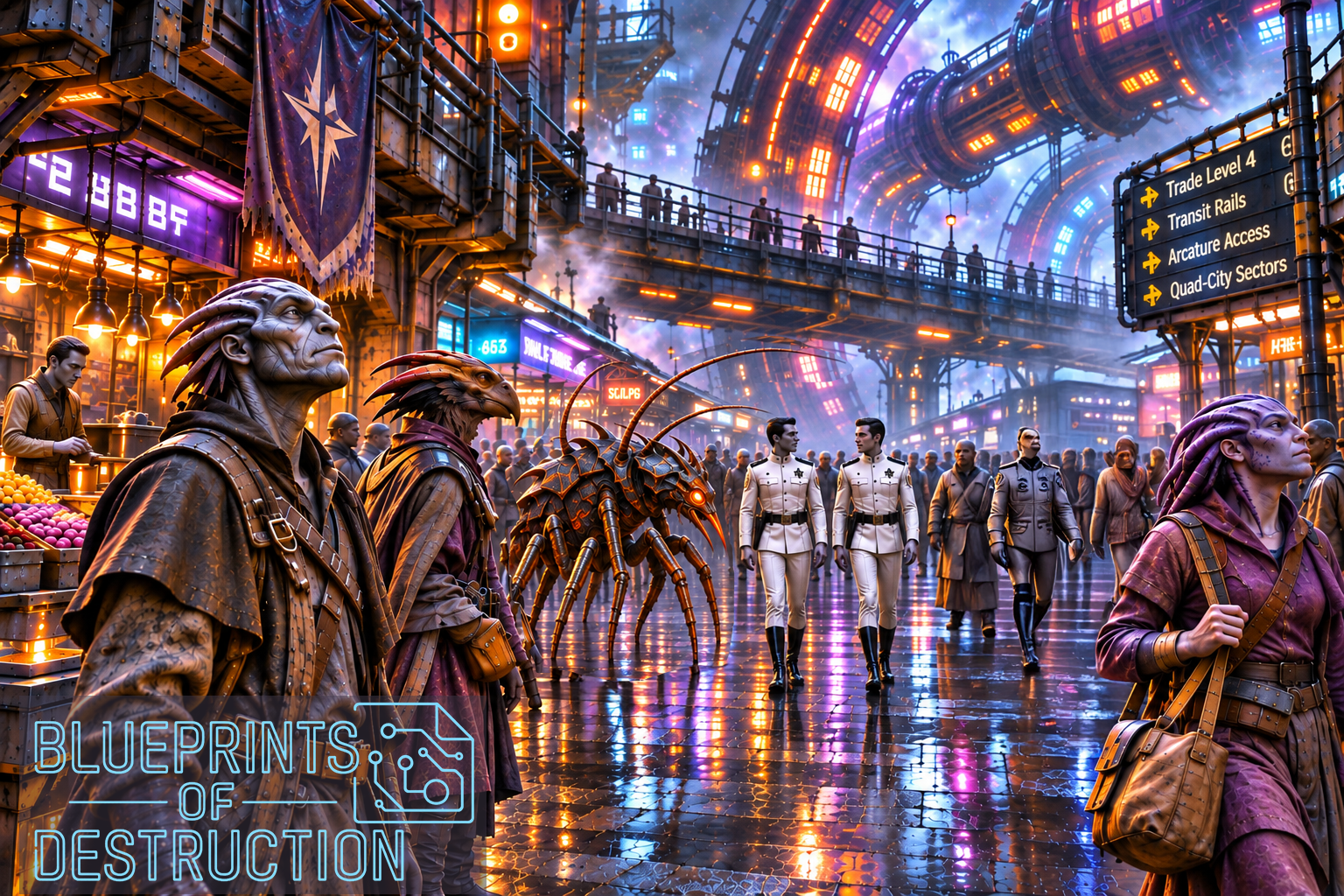
Normal does not have to be universal for all characters. Different groups can experience different versions of the same world. A wealthy bureaucrat and an impoverished worker may live under the same government, but they may experience vastly different versions of safety, freedom, mobility, and opportunity. In the world of Qualx, a citizen protected by Life Rights will understand the city very differently than an unwrit.
Because of this, a world can have multiple overlapping senses of normal. They might include:
- The official normal promoted by institutions
- The everyday normal experienced by citizens
- The normal of those in power
- The normal of individuals living in the periphery of society
- The normal of those operating within shadow systems
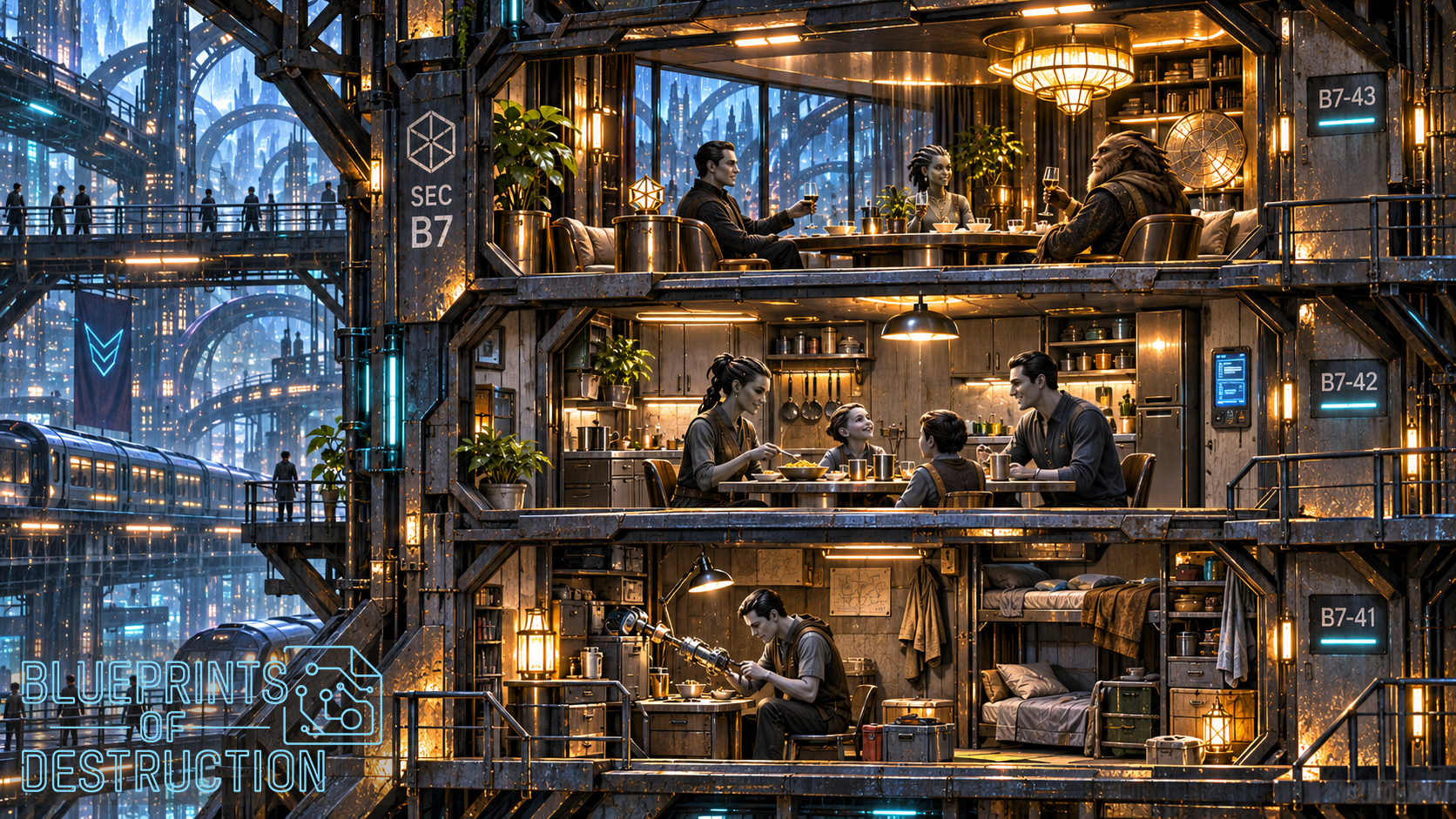
In Qualx, different versions of normal might belong to:
- Citizens with Life Rights
- Individuals who are unwrit
- Citizens with economic access
- Citizens barely getting by
- A pirate who takes pride in his lack of Life Rights
- A shadow broker with deep financial and political connections
Each of these radically different experiences exist within the same city.
How Characters Are Shaped Through Conditions
World conditions have already shaped characters long before the plot begins.
World conditions and characters' backgrounds can create friction and conflict. A character raised in abundance may be wasteful without realizing it. A character raised with scarcity may save everything, measure security through resources, and distrust generosity.
World conditions can influence habits, fears, ambitions, prejudices, survival skills, relationships with authority, ideas about what is fair, and definitions of success. These influences help characters feel connected to the world. Instead of simply being characters placed inside a setting, they become products of the environment in which they learned how life works.

Establish Normal, Then Break It
A disruption to a character's life only has meaning if the reader understands what was broken. Before introducing a major disturbance, you, as the writer, should establish enough of the normal pattern to answer:
- What usually happens?
- What do people expect to happen?
- Who benefits from the current conditions?
- Who suffers under them?
- What signs show that something has changed?
- Why does the change matter?
Exposition is not required in order to establish normal. Normal can be revealed through routine actions, assumptions characters make, conversations, restrictions, prices, work, transportation, and the way characters respond to authority.
Visible and Invisible Conditions
Some conditions are immediately visible:
- Polluted air
- Crowded housing
- Military checkpoints
- Damaged infrastructure
- Advanced machines
- Chaotic markets
Other conditions are revealed through behavior:
- Children understand emergency procedures
- Citizens hide food
- Nobody speaks openly near officials
- People lower their eyes when particular groups pass
- Everyone knows which laws are enforced and which laws exist only on paper
Both visible and invisible conditions are important. Visible conditions build the atmosphere of the narrative. Invisible conditions make a world feel real and lived in because they show what people have learned without being told.
The Transformation of Normal
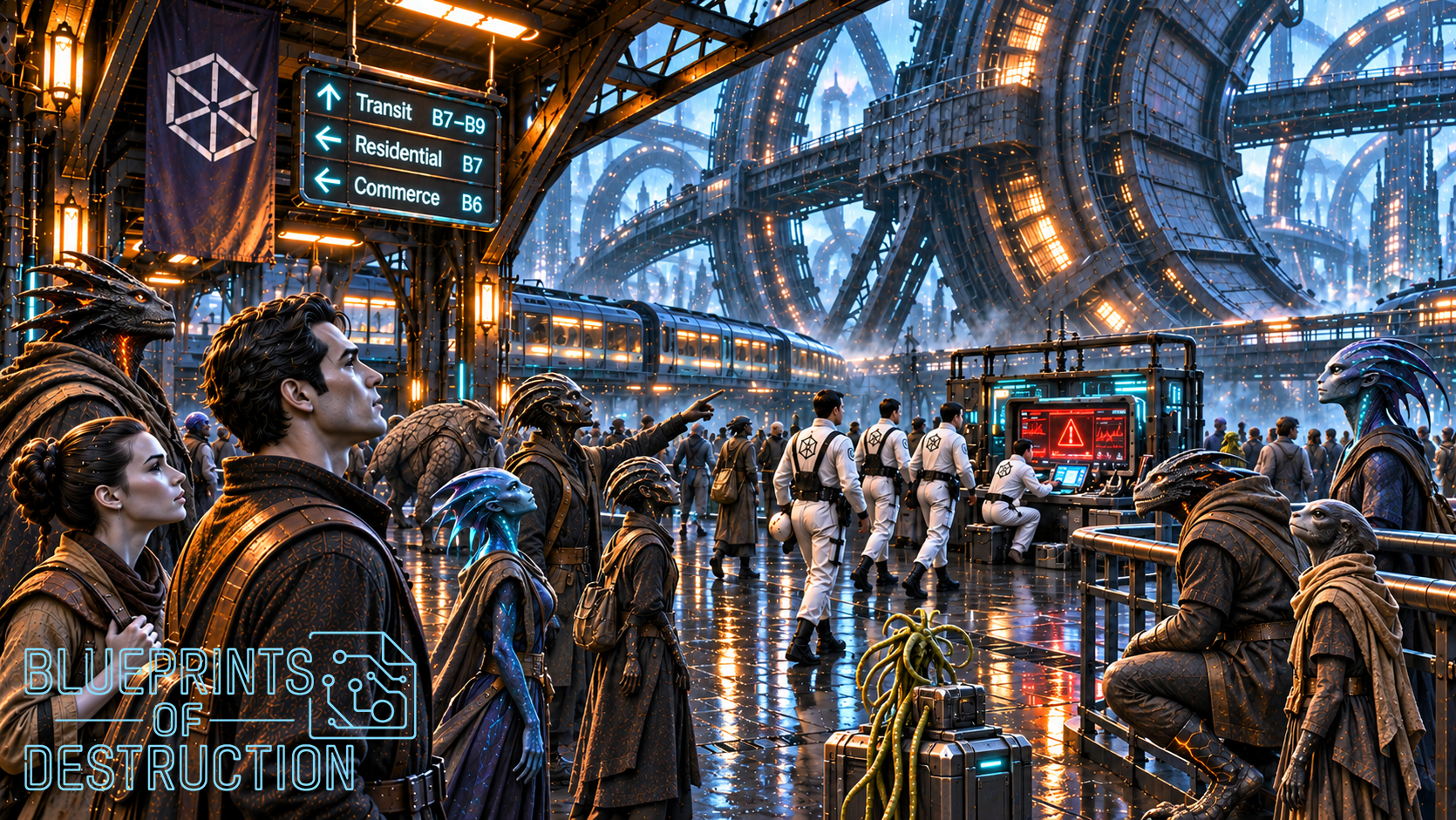
World conditions do not have to remain static, though they can. A story can show the collapse, improvement, or a transformation of the established normal.
Changes might be:
- Resources becoming scarce
- Laws becoming harsher
- Technology changing access to power
- War entering a peaceful region
- A trusted institution losing legitimacy
Ten Practical Questions to Shape Your World's Initial Conditions:
- What conditions shape ordinary life?
- What do most people expect from a normal day?
- Which hardships have become routine?
- Which forms of comfort are taken for granted?
- Who benefits most from current conditions?
- Who experiences a different version of normal?
- What behavior might seem strange to the reader but ordinary to the characters?
- What condition does the story disrupt?
- How do the characters recognize the world is changing?
- Does the story restore the old normal, replace it, or expose it as harmful or unstable?
A world teaches people what to expect. It teaches them what is dangerous, what is possible, and what must be endured. These are the lessons that shape characters long before a story even begins.
When you, as the creator of your world, understand its conditions, you can build characters whose choices feel connected to their lives and experiences. These choices can create strong, more intriguing conflict when familiar conditions begin to change.
That is why normal must exist before it can be broken. Consider the world your characters believe they know. What condition makes their lives feel stable? What warning would tell them that stability is disappearing?
Find that disruption. That may be where your story begins!
Use this worksheet to identify the conditions that shape your world, the normal your characters have accepted, and the disruption that may be the spark that brings your story to life.
