Enjoying the Journey of Writing and Worldbuilding
Writers are often told to "just write." There is wisdom in that advice. A story can never be finished if the words never make it onto the page. Even here on this website, PhranqenLu makes it a point to remind you that a story cannot truly exist if it is never written. At some point, the scene needs to be written, the chapter needs to move forward, and the idea should progress into something that a reader can experience.
But there is another side to writing that should not be ignored.
Storytelling is about more than reaching the final chapter. It is about discovering the world, meeting new characters, asking strange questions, building cultures, changing your mind, and finding joy in the process. It is about watching an idea become larger than the spark that first created it. The reader can sense when thought and care have been poured into a world and its characters.
The goal is not to choose between writing and wonder. The goal is to let wonder help you write.
Worldbuilding is Not Wasted Time
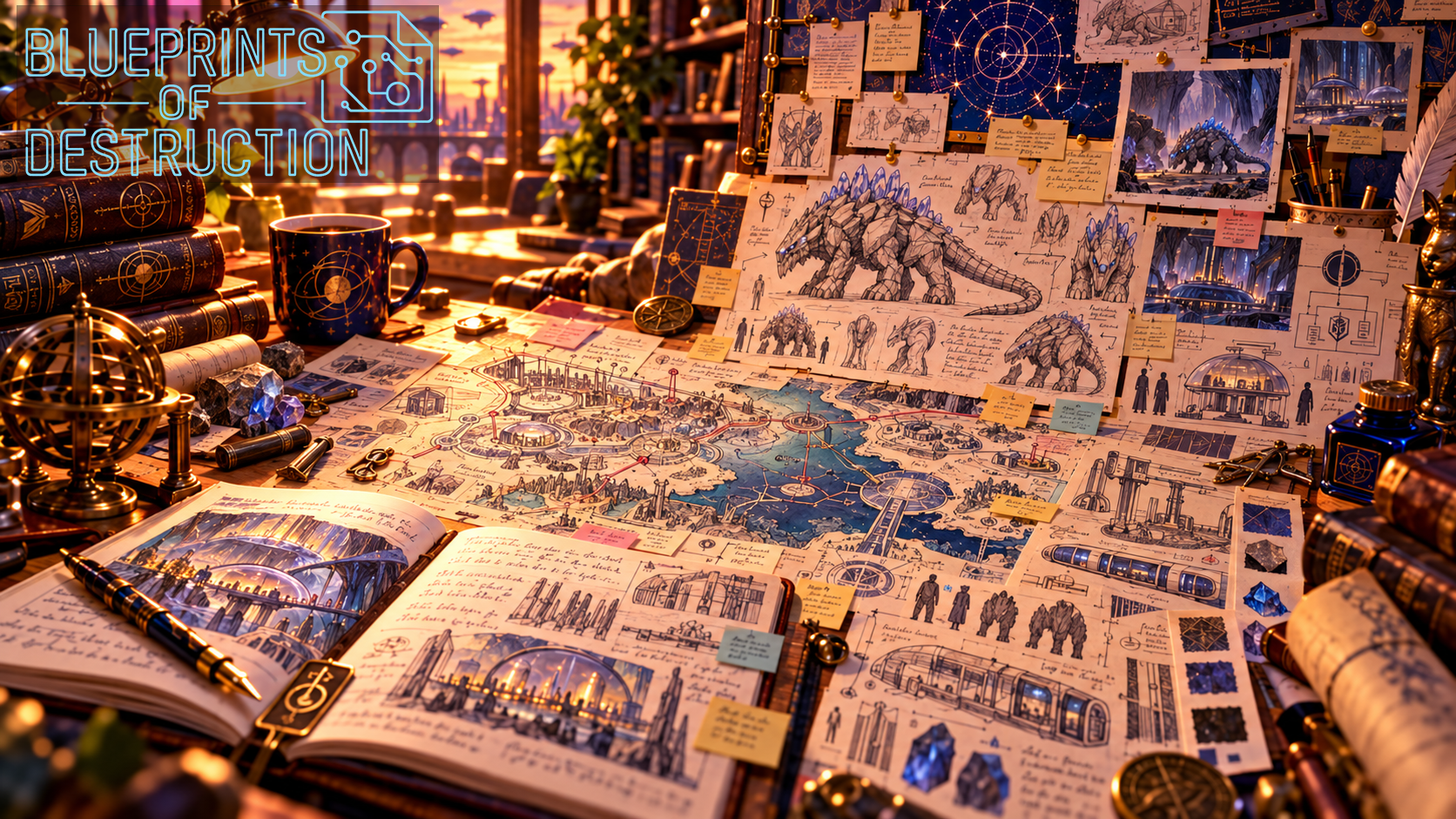
Worldbuilding is not always procrastination. Sometimes it is how the story teaches you what it wants to become. While getting words on the page matters, it is not the only part of the creative process.
To be completely Phranq(enLu), words do matter. A story cannot be finished if it is never written. But that does not mean that every moment spent developing a world, exploring a character, or asking a strange question is wasted time.
Worldbuilding can be a double-edged sword, however. With one edge, you need to spend time in the world that your story takes place in, in order to be able to know the kind of stories it wants to tell. On the opposing blade of that same sword, worldbuilding can be used to escape from the daunting aspects of writing a story.
The danger is not worldbuilding itself. The real danger is using worldbuilding to avoid the parts of writing that scare you. Complex governments, varied species, meaningful cultures, and rules that add pressure to the system can all deepen the history of a story, but can also be the most intimidating obstacles to getting started.
The Joy of Character Development

It is not always immediately apparent who a character is. A writer learns the character by exploring their childhood, fears, habits, beliefs, flaws, and contradictions.
Character development is not just a checklist. It is the process of slowly realizing that the person in your imagination has a past, a voice, a deep hurt, ambitious desires, and their own unique way of seeing the world.
It takes time to get to know someone in life, and a character is no different.
Let Yourself Revel in the Beauty of Making Something

The physical world that we live in is a place that is driven by numbers, production, and value. There is something beautiful about creating a world that did not exist before you imagined in, and it can be refreshing to rest within a world of your own design. This does not mean that it is not a good idea to add a level of realism that similar metrics could bring into your story.
There is joy in naming a city, designing a strange creature, inventing a law, discovering a character's secret, or realizing that two ideas suddenly connect.
Those moments are important. They are not separate from your writing. They are one of the reasons that writing is worth all of the effort you put into it.
The Destination Still Matters
Enjoying the journey does not mean abandoning the destination.
The finished story is meaningful. Readers eventually need something they can actually read. Drafts matter. Completed chapters matter. But you should not allow the final product to crush the joy of the process.
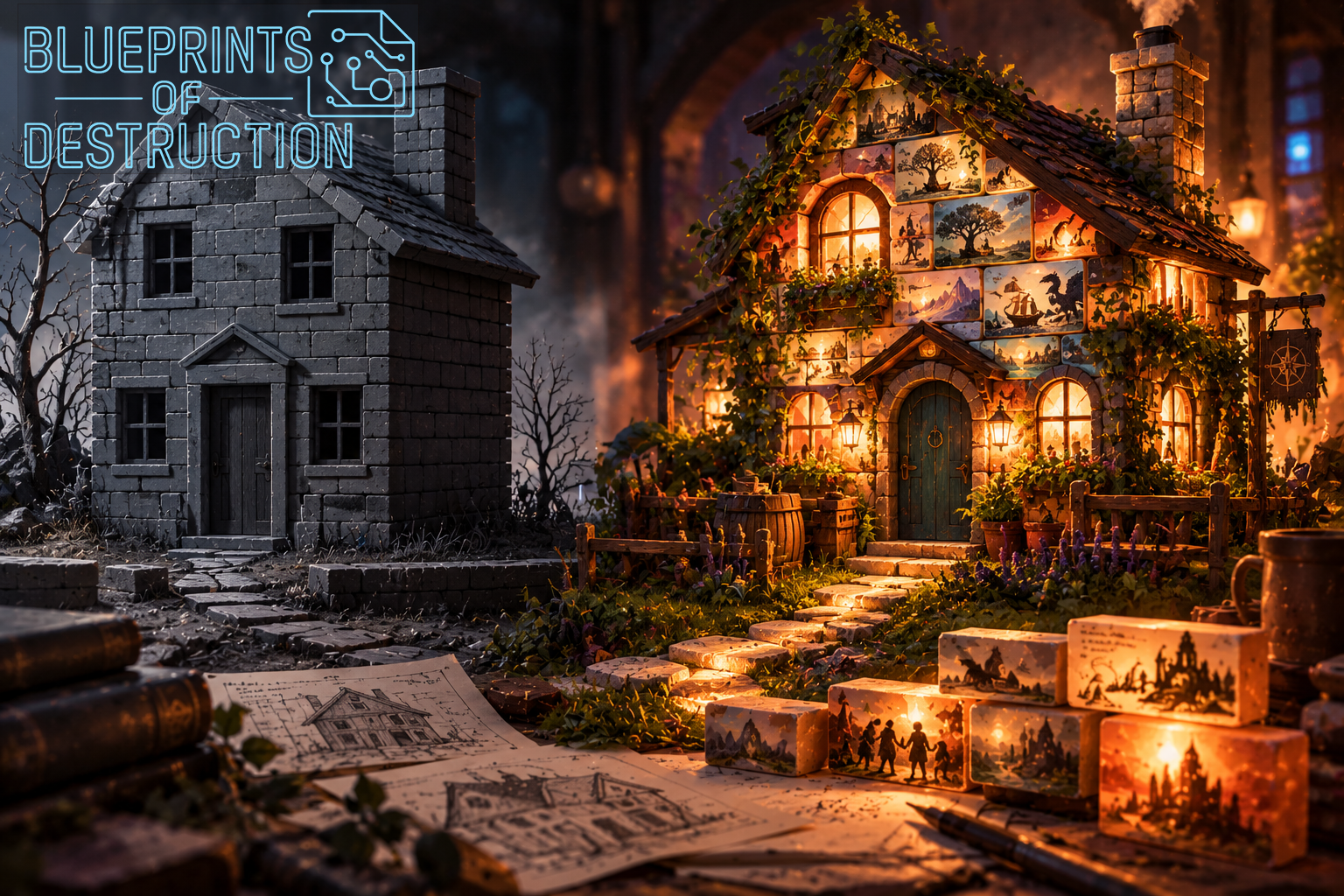
A finished story is significant, but a finished story with no wonder can feel like a house built by someone who hated every brick.
How to Enjoy the Journey Without Getting Lost
1. Keep a "story playground."
For PhranqenLu, this playground is called Storystorm. This is a place for ideas that may not have a home yet. Sometimes an idea is perfect for the story, but it isn't fully developed. A story playground gives those ideas room to mature and grow without forcing you to commit to them too early.
2. Set aside time for drafting and worldbuilding.
Drafting and worldbuilding use different creative muscles. Giving each one its own space can help you enjoy both without feeling like one is stealing from the other.
3. Explore your world, but occasionally ask, "How does this help the story?"
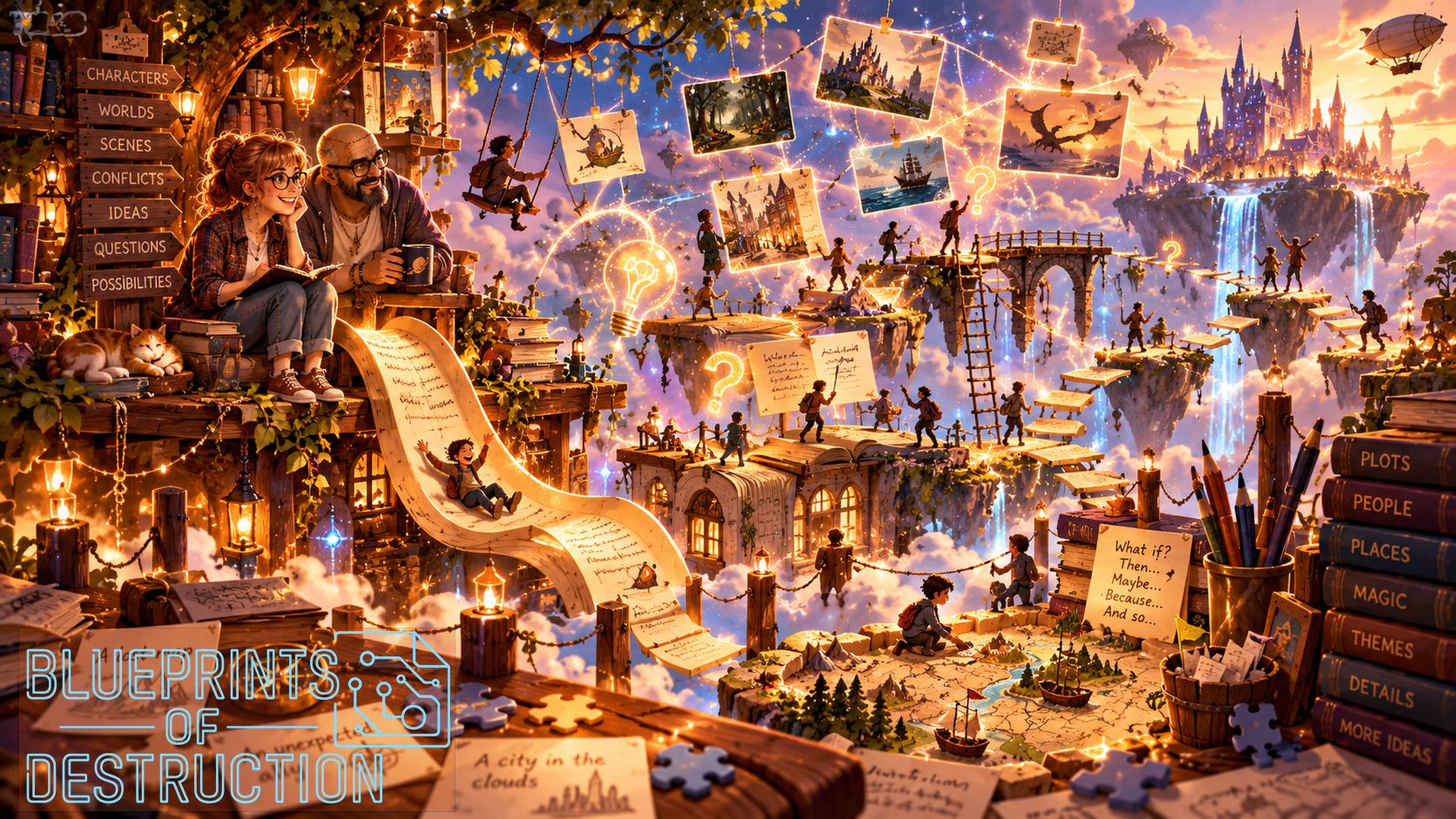
Every detail does not need to appear on the page, but the strongest details usually shape the characters, conflict, setting, or theme.
4. Celebrate the little things.
A good name, a strange custom, a new scene idea, or a tiny character discovery can all be big wins. These discoveries are what keep a writer moving.
5. Do not punish yourself for being excited about your own world.
Your excitement and the effort you pour into your narrative can carry over to the reader and help them get excited too! Do not minimize how much your love for your own creation might affect others.
6. When you feel stuck, return to curiosity.
Sometimes, your brain just needs room to breathe. If you are feeling stuck, you may simply be looking for a missing piece. More often than not, a little bit of worldbuilding, character development, or playful questioning can help that missing element lock into place.
Joy is Part of the Journey
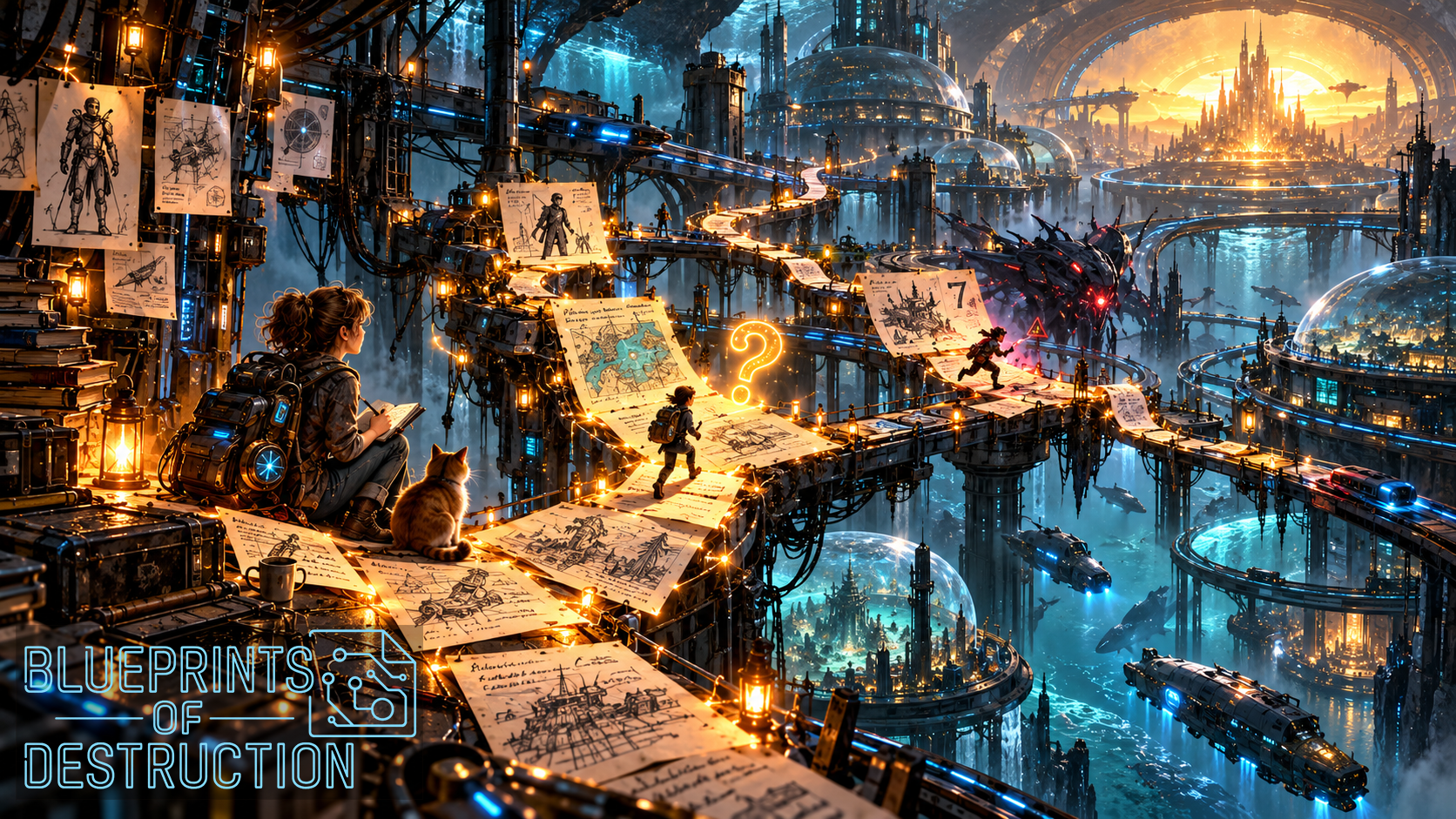
Once you learn to enjoy the journey, tools like worldbuilding, character development, and plotting stop feeling like chores. They become ways to explore the heart of your story.
Stories are not just outlines, chapters, and word counts. They are built from curiosity and delight. They are built from odd little questions you cannot stop asking.
So yes, write the scene. Finish that stubborn chapter. Keep moving forward.
But do not forget to enjoy the world that is opening before you. The journey is not a distraction from the story. The little details are where your story finally comes to life.
So go write your story, but never lose the joy of exploring along the way.
