- Home
- Building Characters
How to Make Your Character

“Dad, will you help me write a story? You know how to build characters and have them make sense, whether they are good, bad, or somewhere in between.”
Frank wanted to help Lucy, but he knew he had to be careful. Lucy was excited, and he did not want to crush that excitement. He needed to teach her without making her feel like her ideas were wrong.
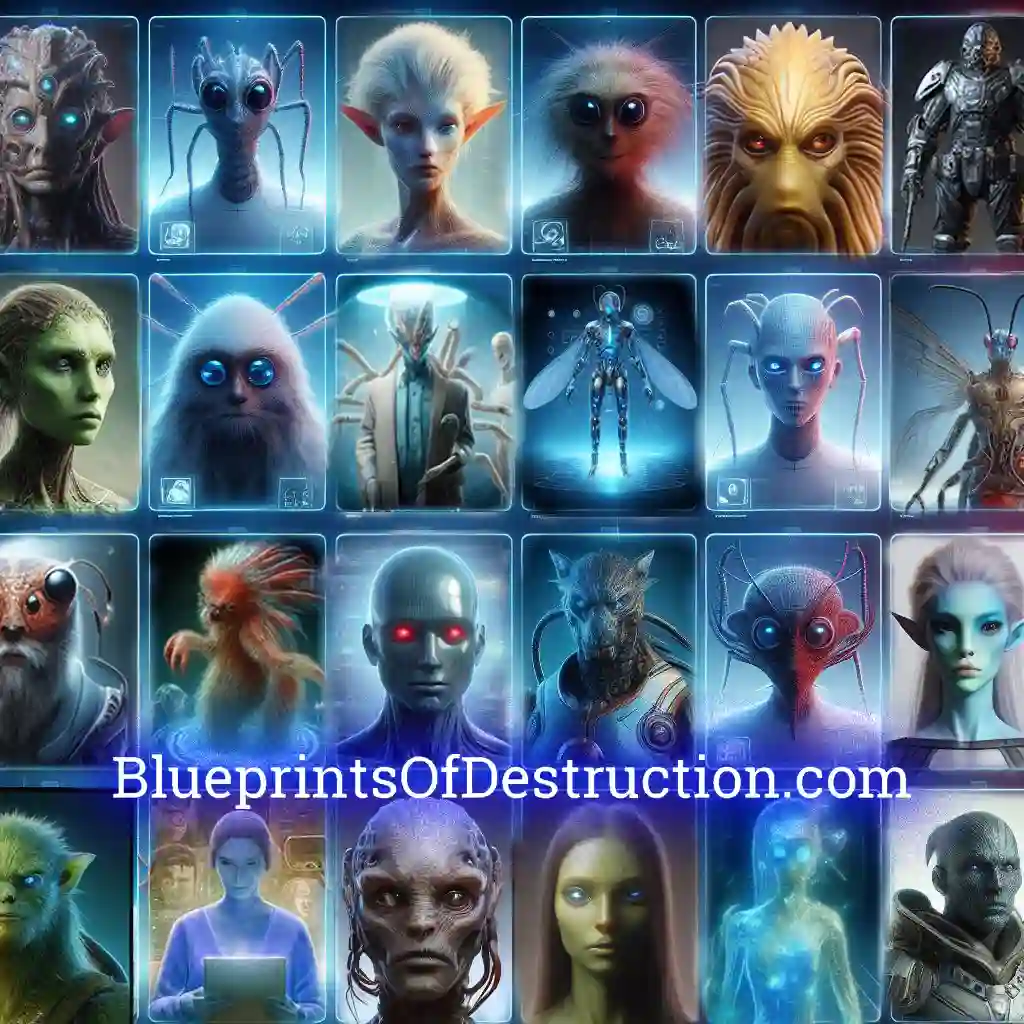
When Frank and Lucy first began Blueprints of Destruction, they had no idea what they were stepping into. What started as a simple question slowly became a much larger adventure.
She had twenty-six characters she had rolling around in her young mind, and a few minor parameters around which to write them. Frank was a bit caught off guard by the enormity of the request. Most stories do not include twenty six main characters.
“Twenty six is quite a few characters, Lulu,” he said. “That's quite a lot. Tell me about them.”
“I don’t know yet, Dad. That is why I want you to help me.” Her bouncy curls glowed golden in the same sunlight that twinkled in her eyes. “Some are good guys, and some are bad guys. And they are fighting over the Blueprints of Destruction in the vectored city of Qualx! It is going to be amazing!"
“Well, Sweetheart, that does sound exciting! Do you know how to make your characters good or bad, so your reader will know the difference?”
Unfortunately, Lucy did not know.
Fortunately, Frank was willing to help her.

Common Character Development Mistakes
When you are new to writing, it is easy to think a character is finished once they have a name, a look, and a place in the story. A character needs more than that. A strong character needs desire, pressure, flaws, choices, and change. Without these critical pieces, even a cool character can start to feel flat.
PhranqenLu had quite a few characters to come up with, and they knew there was a tendency to fall into the challenges any amateur writer has the need to overcome.

1. Characters Who Lack Depth
Without a solid idea for characters, new writers may tend to create shallow characters. If a character feels like a cliche or stereotype, the reader may struggle to believe in them. They may understand the character's role, but they will not feel connected to the character as a person.
2. Inconsistent Characters
You should know your characters, and know them well. Inconsistent characters, whether in motivation, thought, or behavior, can come across as untrustworthy, unbelievable, and generally unlikeable.
A brave character can still feel fear. A kind character can still make a selfish choice. The reader needs to understand why your characters make certain choices.
Inconsistency is only a problem when the character changes because the plot needs them to, not because it is an action coming from a place of hurt, weakness, or a flaw.

3. Not Giving Characters Goals
A character without a clear goal will most likely come across as aimless or passive. If your reader doesn’t know what interests your characters, your story most likely will not interest your reader. Deciding what drives your character is one of the fastest ways to make them feel active, understandable, and interesting.

4. Characters Who Lack Conflict
Characters without struggles often fall flat. The reader wants to be able to root for your character, but without a conflict to overcome, your audience has nothing to root for.
5. Overloading the Backstory
Backstory is important, but too much backstory can slow the story down. The reader might end up feeling like they are slogging through peanut butter. Backstory that is burdening the story too much can distract from the narrative and the pacing. It can be something that blatantly sidetracks the storyline to the point the reader begins to wonder what the story is even about.
6. Dialogue That Does Not Sound Like the Character
Dialogue does not need to be fancy. It just needs to sound like the person speaking. A shy character and a proud character should not sound the same. Dialogue between characters should reflect each individual personality and circumstance.
7. Characters Without an Arc

A character arc is the way a character changes because of the story. The character may become more brave, cold, wise, selfish, honest, or broken. The most important element about a character arc is that the character can leave the story changed. Without the story leaving a mark on the character, the reader may leave the story feeling unfulfilled.
8. Characters Who Lack Agency
Characters who lack agency quickly begin to feel dull and lifeless. Without agency, a character can start to feel like a raft being dragged around by the storm instead of a person trying to survive the storm. This is not to say that nothing can happen to characters that is out of their control, but they need to respond in their own right to advance the plot further.
9. Characters Without Flaws
Characters who are too perfect can make for a difficult read. Perfect characters are hard to care about. Flaws give a character friction. They create room to grow, and through mistakes, vulnerability, and tension, the story gives the reader an opportunity to connect with the characters.
10. Characters Who Are Not Relatable
Relatable does not mean morally correct. A reader does not have to agree with a character to understand them. The goal is to help the reader a window to put themselves into your characters shoes to see why those choices were made.

11. Neglecting Relationships
Your characters are the focus of your story and they, by necessity, interact with others inside the narrative. Relationships reveal who someone is. The way a character treats a friend, enemy, parent, child, or stranger can give the reader more insight than a paragraph of explanation ever could.
These relationships, even when they are not the specific focal point, help to drive the plot, develop arcs, and shape the outcome. Neglecting connections between characters can isolate them, and ultimately result in a story that is less engaging.
12. Rushing Development
Narration and exposition can explain a character, but they cannot do all the work. The reader needs to see the character act, choose, fail, and respond. Without the ability for a reader to see the character change, you may destroy the very connection you are working so hard to build.
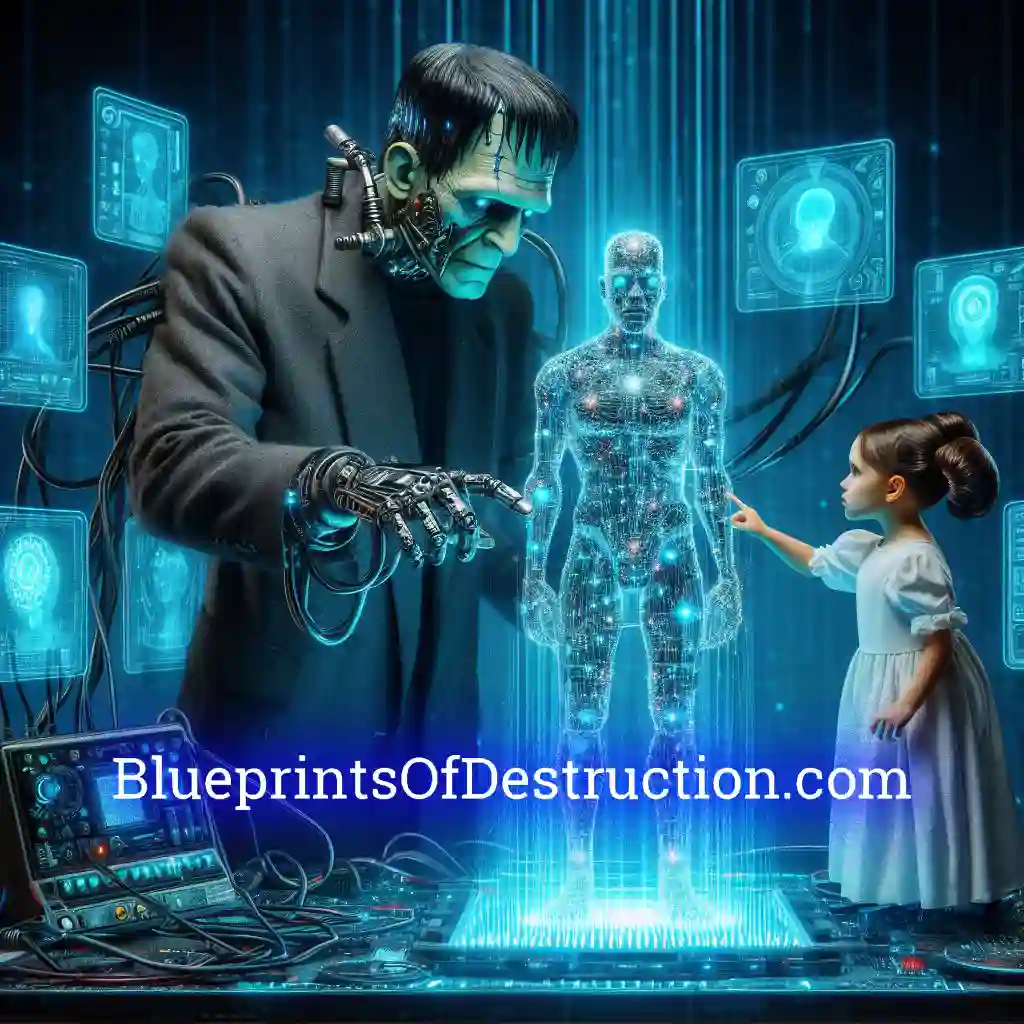
A good character is not built by making them perfect. A good character does not even need to be likable. But they do need to make sense. Through pressure, desire, weakness, choice, and consequence, a good character can be assembled.
Start with one character. Ask what they want, what stands in their way, and what they are afraid of. What choice would they make under pressure? Once you understand how your character thinks the will become more than just a name on a page. They will be able to become someone who can carry a story.