How to Start Worldbuilding
Setting is a world's identity. Its personality, tone, logic, and emotional atmosphere all grow from the environment the story is built upon. When a setting presents a consistent sense of what it is, the world becomes recognizable, memorable, and alive.
How to Start Worldbuilding by Establishing Rules
Every world runs on a hidden rulebook. These rules determine how characters live, what they fear, and what they expect from their surroundings. Here on earth, we expect the sun to rise, and the leaves to change color when the air begins to bite at our cheeks.
Ask yourself:
- What is possible in your world?
- What is forbidden?
- What is dangerous?
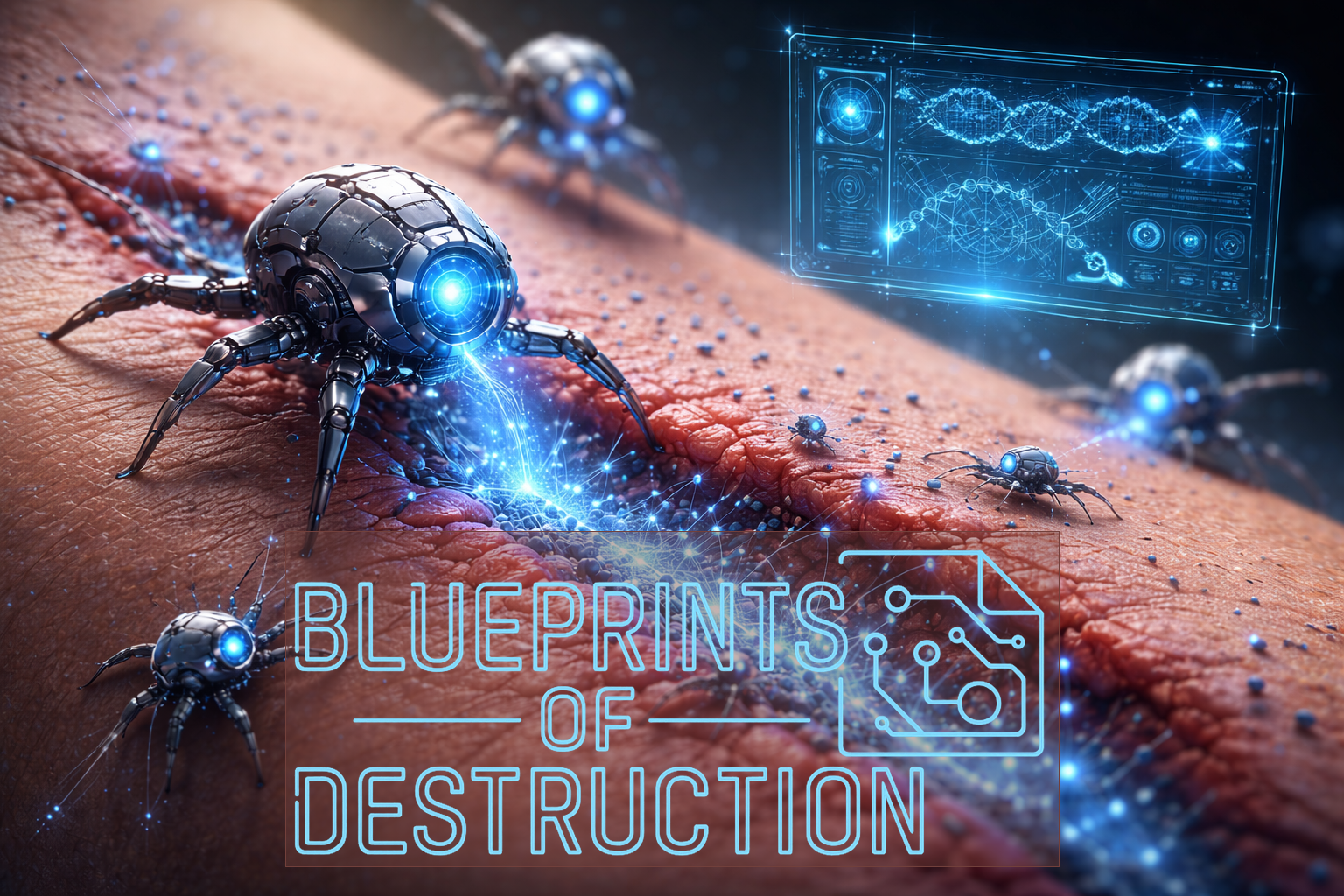
Blueprints of Destruction would answer these questions in a way specific to its own world. Programmable, flesh-healing nanites known as Ganites ("tri-gallium nanites") are possible, whereas on earth, no such technology has yet been discovered or invented. It is dangerous to venture into territories controlled by mobs or pirates, or even inhabited by the hyper-aggressive Anak. It is forbidden to attempt advanced jumps into the Flicker without the proper training or equipment.
When learning how to start worldbuilding, it is important to remember that the rules shape identity. A desert world breeds different technologies and threats than a cold, subterranean one. Qualx, for example, is a world identity built on scarcity, hierarchy, and the Flicker. Its rules shape every choice a character makes, and affects each outcome with unique consequences.
How to Start Worldbuilding by Defining Tone and Atmosphere
Setting's textures, architecture, and geography determine how the world feels. Is it oppressive? Mystical? Industrial?
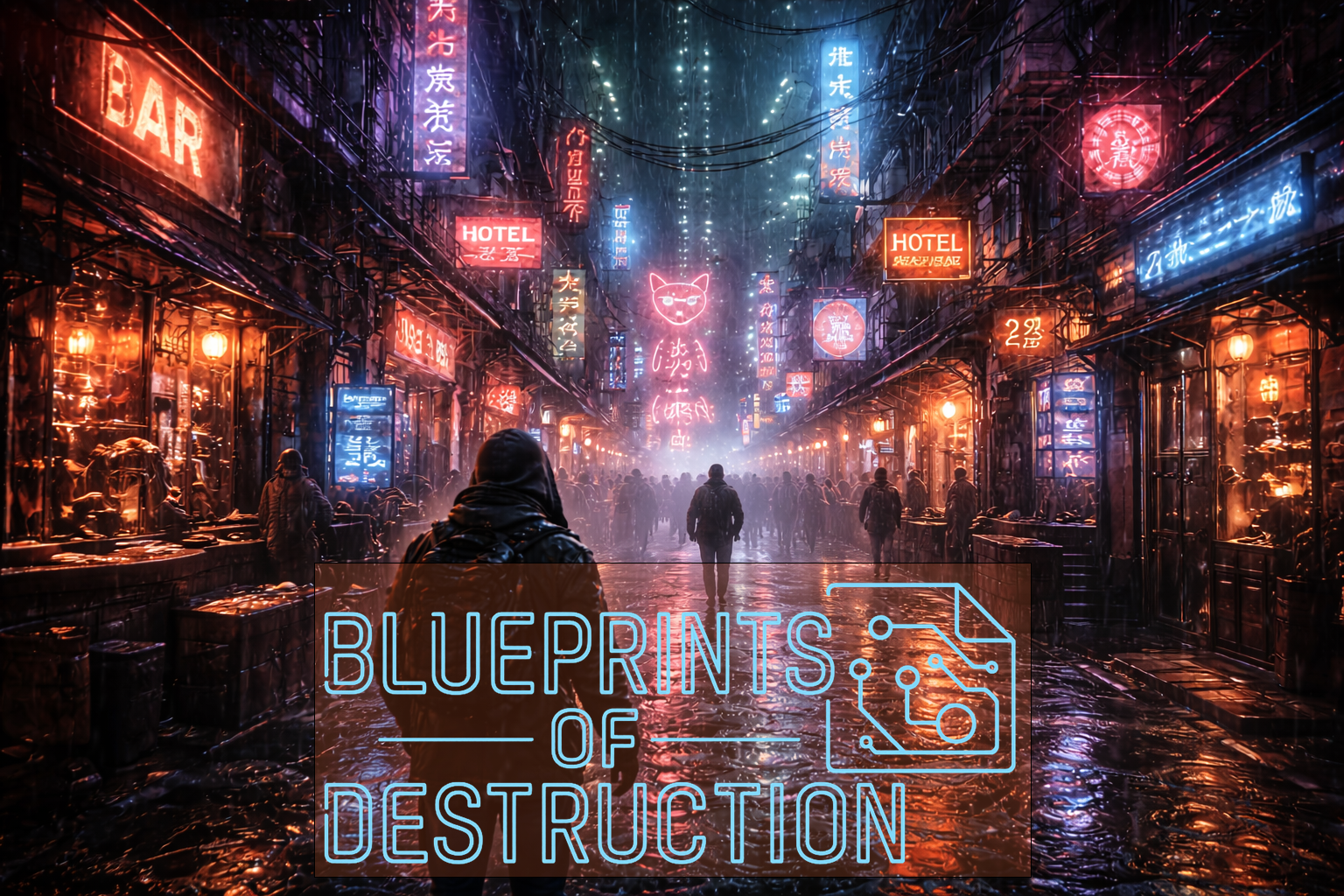
A cyberpunk world is gritty, choked with neon, damp air, and endless drizzle.
A high fantasy world sits on ancient stone, towering forests, and treacherous castles.
Qualx is saturated with organic metal, augmentation, and technologies capable of cutting deep into another dimension with a single jump.
Tone becomes part of your world's identity because it lets the reader connect emotion to environment.
How to Start Worldbuilding with Culture and Society
Environment informs civilization. Cold climates may foster communal survival strategies, while a dangerous environment might produce militaristic societies with rigid hierarchies. Resource rich worlds would allow for art, innovation, and leisure.
In Blueprints of Destruction, the urban subterranean climate combined with the Guild and the Flicker shape social behaviors, language, and even architecture.
Setting also defines what a world values. A water-scarce world prizes rare springs as its most important resource. A world teeming with seas would instead value metals, minerals, or food.
Qualx values Life Rights, Guild authority, and access to the Flicker. Whatever a world struggles to obtain or fights to control becomes a part of its identity.
How to Start Worldbuilding Through Conflict
One of the strongest ways to start worldbuilding is to let conflict emerge from the world itself. Harsh terrain, supernatural dangers, scarce resources, or political structures can each define a character's struggles and push them to grow.
Conflict becomes the engine that powers the world's identity.
Just as conflict shapes identity, so does the idea of what is normal. Every world has a default mode of existence. When readers understand what the characters consider natural, they can immediately recognize what is unusual, powerful, or threatening.
Ask yourself:
- What is common knowledge?
- What is taboo?
- What is socially acceptable?
Internal consistency is the cornerstone of believability. If you can establish the answers to some of these questions, you are one step closer to mastering the basics of how to start worldbuilding.
It is socially acceptable on Qualx to hunt and consume the same beings one lives and works around because of a lack of status. It is taboo to speak in support of the uprising. Common knowledge is that the Guild is judge, jury, and executioner, and it is not to be questioned.
How to Start Worldbuilding Through Theme
Setting often expresses a story's deeper ideas because environment becomes symbolic. A world's identity is also its thematic voice.
A dying planet may express ideas of extinction, decay, or rebirth.
A fractured dimension might embody instability or lost identity.
Qualx, as a hierarchical megacity reinforces themes of value, autonomy, and moral worth.
Some questions to help you find your world's theme are:
- What is the core idea your world expresses?
- What does your world value?
- How does an individual express defiance and inquiry within your world's structure?
When developed well, the deeper ideas and the setting become inseparable.
How to Start Worldbuilding for a Distinct World
A strong world is instantly recognizable. Qualx cannot be mistaken for any other place. Its Life Rights, Ricochet Pilots, the Guild, and the Flicker all make it uniquely identifiable.
You can achieve this in your own story. Not by copying real-world elements, but by taking inspiration from physical ideas and weaving them together into elements that only exist in your world!
In the process of learning how to start worldbuilding one thing is more important than all others. Your story may start in your mind, but worldbuilding only truly begins when you put words on paper. Making your world a tangible place with your words is the first step to unlocking your inner author.
Related Pages for Setting
Setting to Establish Laws and Internal Logic
Setting to Influence Pacing and Structure
Setting to Support Symbolic and Visual Storytelling
Setting as it Defines World Identity
Setting as it Intertwines with Plot
