Let Your Characters Make Bad Decisions
Why imperfect choices make characters feel real, interesting, and worth following.
Have you ever made a bad decision? Most likely, the answer is yes. Almost everyone has chosen poorly at some point.
The world is not a perfect place, and many times in life, there is no clear answer about what people should do. Sometimes there is a clear answer, but it is scary, painful, or uncomfortable, so people avoid it. Bad decisions, while regrettable, are a part of life.
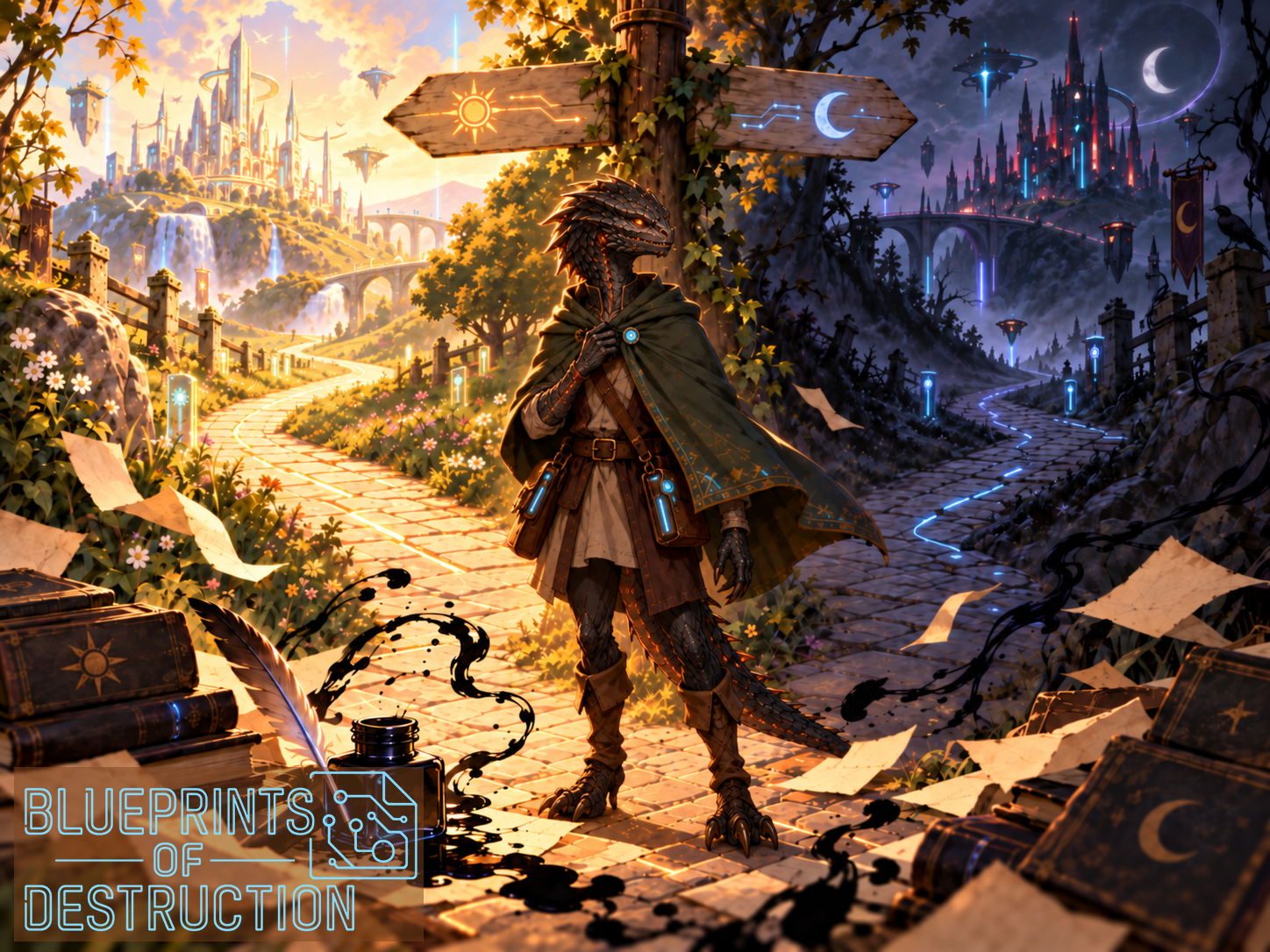
An Imperfect World for Your Characters
Many new writers protect their characters too much. They want their character to be admirable, smart, moral, cool, and likable at all times. A new writer may not want their character to fail or even to look foolish. Sometimes this happens because the writer is still learning story structure. Other times, the character has become too idealized, almost like a perfect version of what the writer wishes they could be.
The writer does not want the reader to dislike their character. To prevent this, the writer may make the character always say the right thing, notice the necessary clues, choose the moral path, and avoid obvious mistakes.
This method usually does not result in a better character. Instead, the result is a flat, two-dimensional character that has become boringly predictable. While these characters feel safe to write a story about, it is hard to write a compelling narrative around them.
Stories need pressure and conflict in order to be compelling. That pressure may come through temptation, misunderstanding, pride, fear, or weakness. If a character is never allowed to choose the "bad" option, then you may be missing out on one of your story's strongest engines.
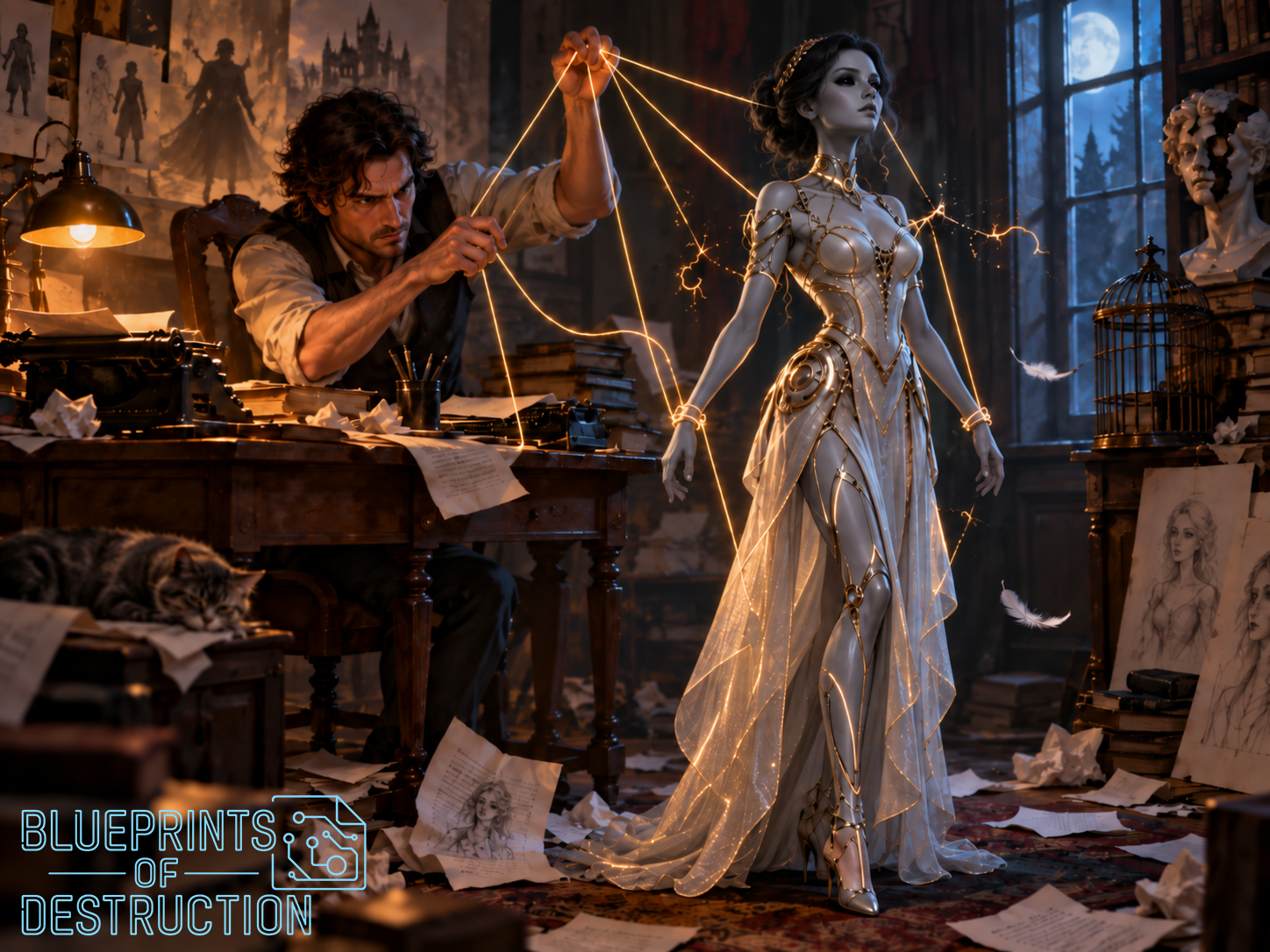
Bad Decisions vs Stupidity
When a character makes a bad decision, it should not feel like you, as the creator, are forcing your character to be stupid. A strong bad decision should come from something understandable, and should be an organic expression of who your character is. Bad decisions are what takes your characters from their potential to their eventuality.
Examples of bad decisions with understandable reasons might include:
- A character lying to keep someone close because they are scared of abandonment.
- A character refusing help when they need it because they are too proud.
- A character protecting the wrong person because they are loyal.
- A character compromising their morals because they are ambitious.
A weak bad decision makes the reader scratch their head. A strong bad decision makes a reader wonder if they would make that same choice if they were in the characters' shoes.
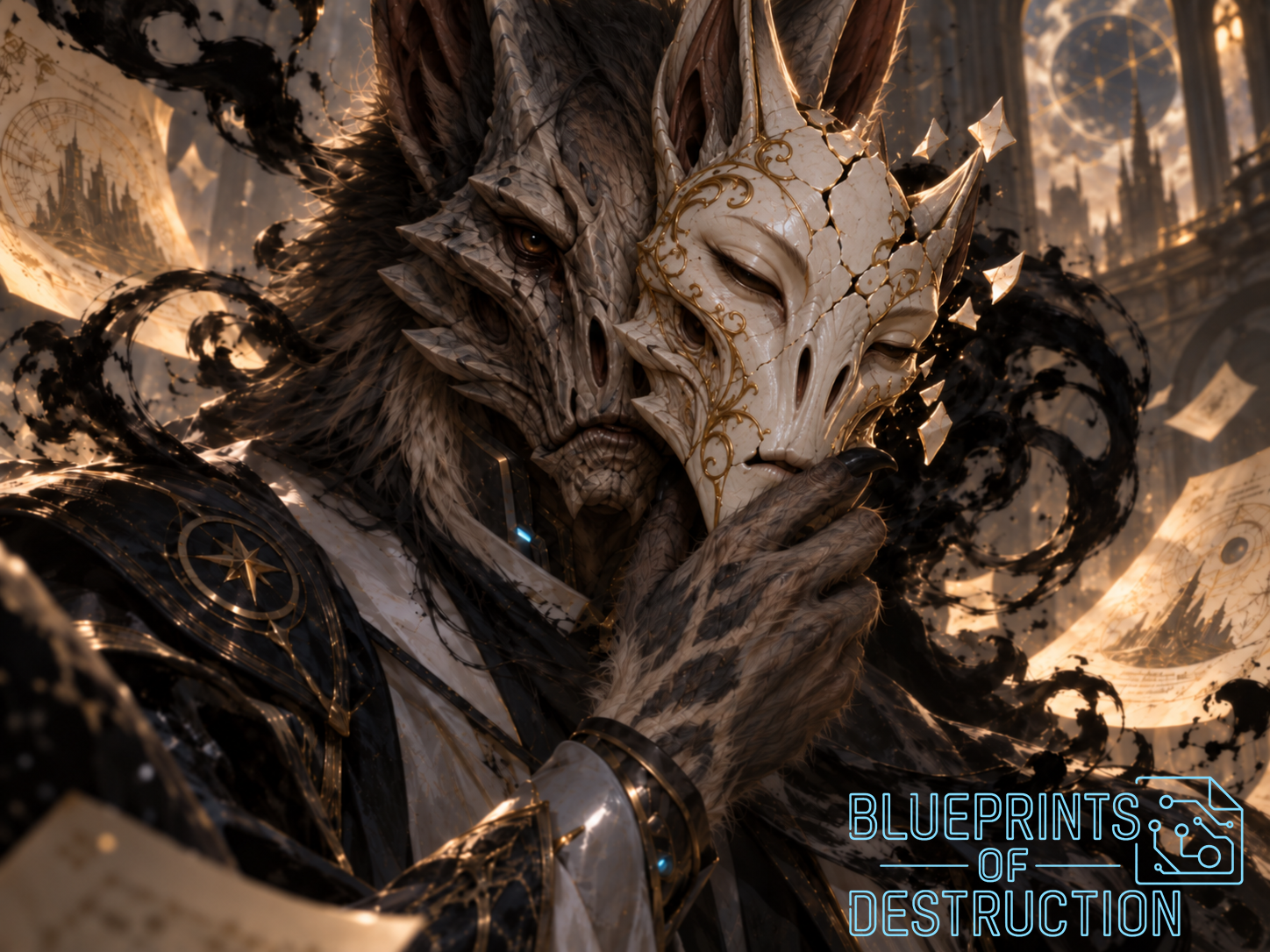
Bad Decisions Reveal Character
Good decisions often show who a character believes they should be, or even who they want to be. A bad decision shows who a character is under pressure.
A kind character may become cruel when hurt.
A brave character may panic when they are caught off guard.
A passionate character may begin to question their interests when an unforeseen event happens.
A loyal character may stay loyal to someone who does not deserve it.
These choices do not ruin a character. They solidify and ground them. Bad choices give the reader access to the character's inner workings.
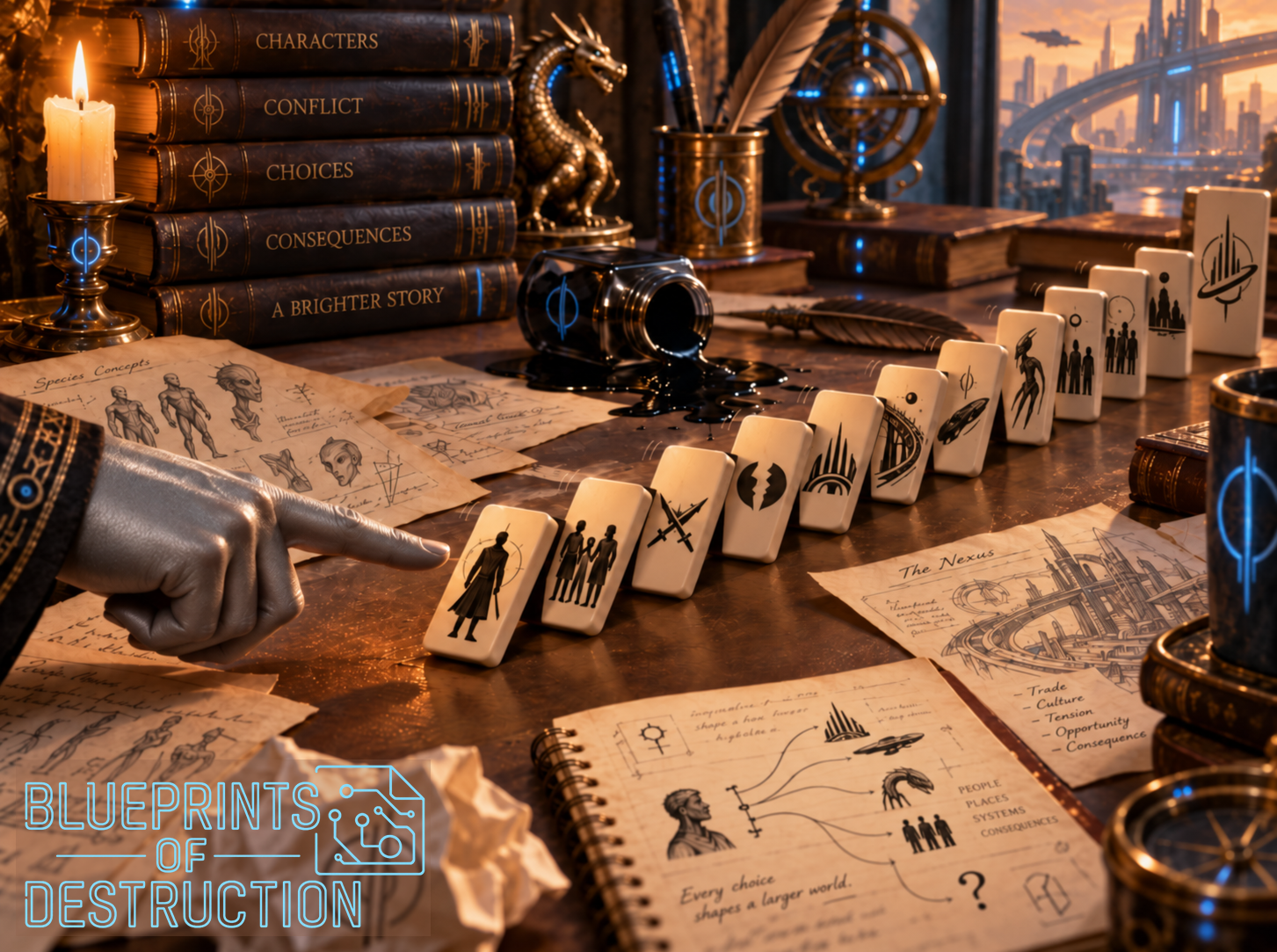
Bad Decisions Create Consequences
A bad decision is valuable because it gives the story something to react to.
A character makes a bad choice. That choice causes damage. The damage creates pressure. The pressure forces the character to respond. Their response reveals whether they are growing, resisting change, or falling deeper into the problem.
Bad decisions aren't just mistakes. They are fuel for the narrative.
For example, let's say Character-A hides important information. The immediate consequence is that the group makes the wrong plan. The result is a complication that the group now has to navigate. In navigating this otherwise avoidable situation, Character-A is now forced to face the scrutiny of the team and confront their fear of abandonment.
Readers Aren't Looking for Perfect Characters
A reader can forgive a character for being wrong, wounded, afraid, prideful, selfish, or foolish. These are all human experiences that most people can relate to. A reader is looking for a story that helps them understand why a character made that choice and what it costs afterward, and ultimately to face their own weaknesses.
The danger is not that a character makes a bad decision. The real risk is when the story acts like the bad decision does not matter. Readers almost never require perfection; they are just looking for understanding and consequence.
The Difference Between Flaws and Bad Decisions
A flaw is a character's ongoing weakness. A bad decision happens when that weakness takes control.
A character's flaw might be pride, which causes them to refuse to apologize. Perhaps the flaw is distrust, which causes the character to keep secrets from an ally.
Bad decisions should be connected to a character's deeper pattern of behavior.
Reason, Not Excuse
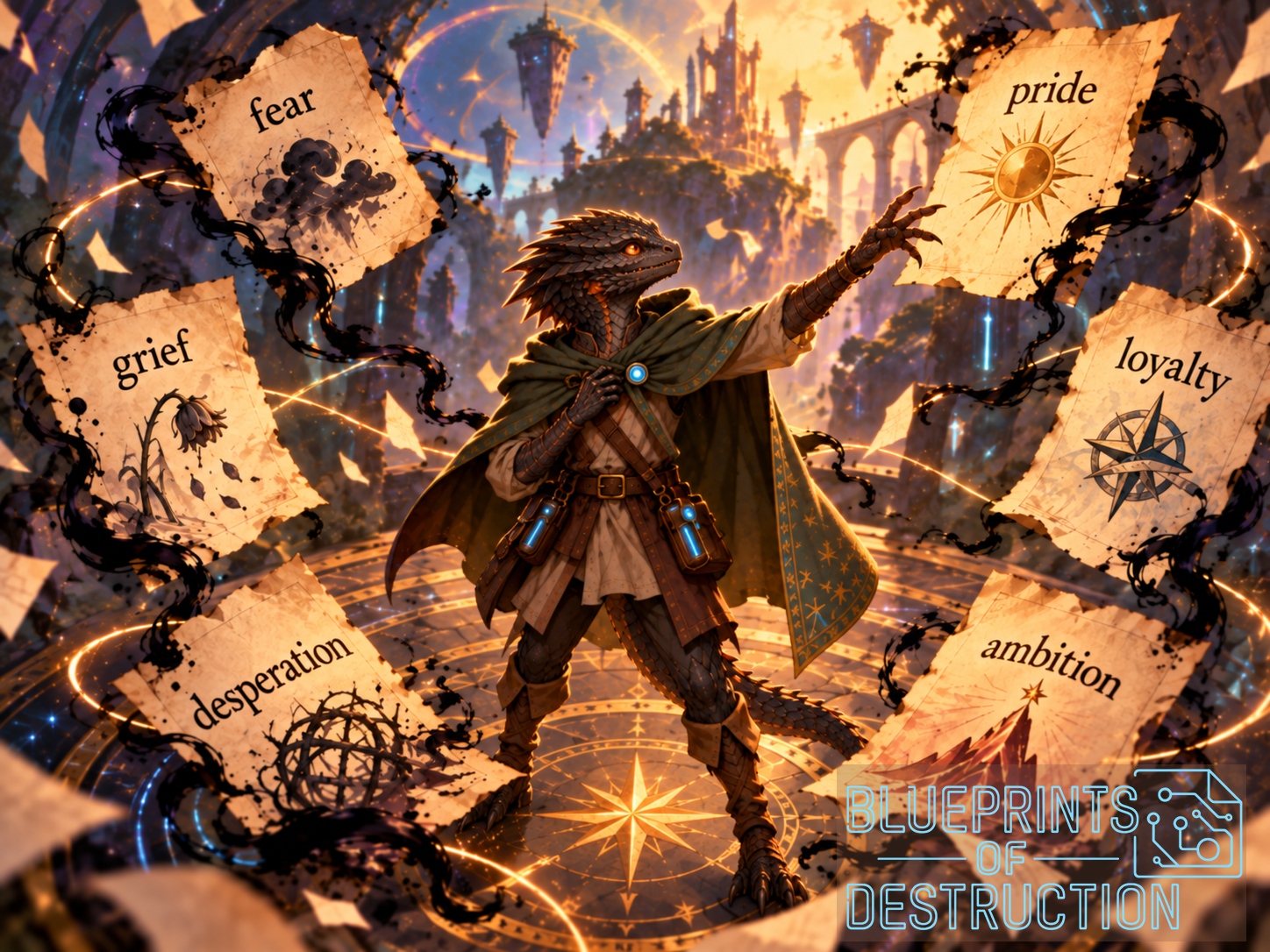
A story can explain a character's choice without pretending the decision was good. A reason helps the reader understand. An excuse avoids responsibility. Excusing your character's bad decision only risks disillusioning your audience.
A reader can understand if a character lies because he is scared of losing his family. This bad choice might create tension with family members, or it might cause a direct consequence because of the lie. However, if a character lies in order to try to keep their family close, but everyone forgives them right away and there is no lasting impact, then the bad decision will feel empty.
Reason keeps the character emotionally understandable while still allowing the consequences to have an impact.
Practicing Making Bad Decisions (for Your Characters)
Choose one character and answer the following questions:
- What does this character want the most right now?
- What is your character scared will happen if they do not get what they want?
- What flaw or wound affects your character's judgment?
- What bad decision does your character make because of this flaw?
- Who does this decision hurt?
- What consequence follows?
- What does your character learn (or refuse to learn) from it?
An answer template may look like:
Because my character wants___, and because he/she is afraid of ,he/she chooses to.
This causes ___ , which forces him/her to face ___.
Because [Ona] wants to [protect her daughter], and because she is afraid of [her daughter getting hurt], she chooses to [build a controlled world where nothing can go wrong].
This causes [Ona's death], [and shows the cost of trying to remove every danger instead of facing her fear honestly.]
Ona is never able to learn from her mistakes, and instead Ona's daughter grows up in an uncontrolled world with no one to protect her.
Let Your Character Be Flawed
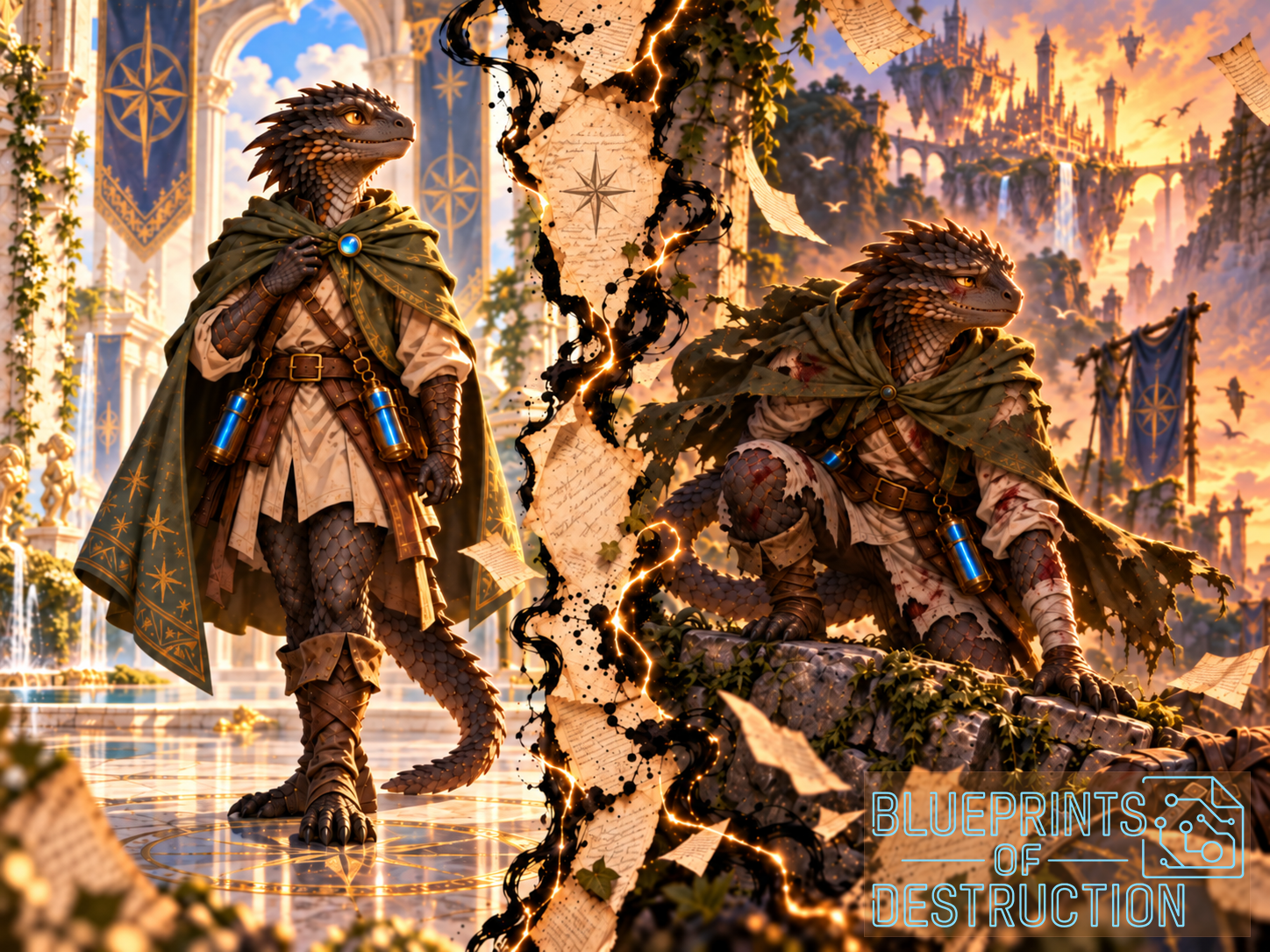
Letting your character make bad decisions does not weaken them. It gives them a path. It provides them with something to regret, repair, confront, overcome, or repeat. It lets the reader wonder what they will do next. Most importantly, it lets a character become more than a perfect idea.
A character cannot learn anything if they are already right. They cannot change because they are already complete. They cannot grow because they have nowhere to go.
Flaws allow a character to feel like a real person.
In fiction, as in life, growth rarely comes from perfect choices.
