Foil Characters and Theme: How to Write Stronger Characters Through Contrast
Foil characters are an effective and simple way to strengthen a story's theme. By giving two characters the same goal but different beliefs, a writer can create meaningful conflict that reveals personality, challenges assumptions, and helps readers understand the story's central message.
Whether you are writing fantasy, science fiction, mystery, or literary fiction, learning to build effective foil characters can strengthen any genre of storytelling.
A foil, as explained by Encyclopedia Britannica, "is a character who is presented as a contrast to a second character so as to point to or show to advantage some aspect of the second character."
A foil character is designed to highlight or contrast specific traits of another character, typically the protagonist. They are present in the story to reveal important information about the character they are reflecting.
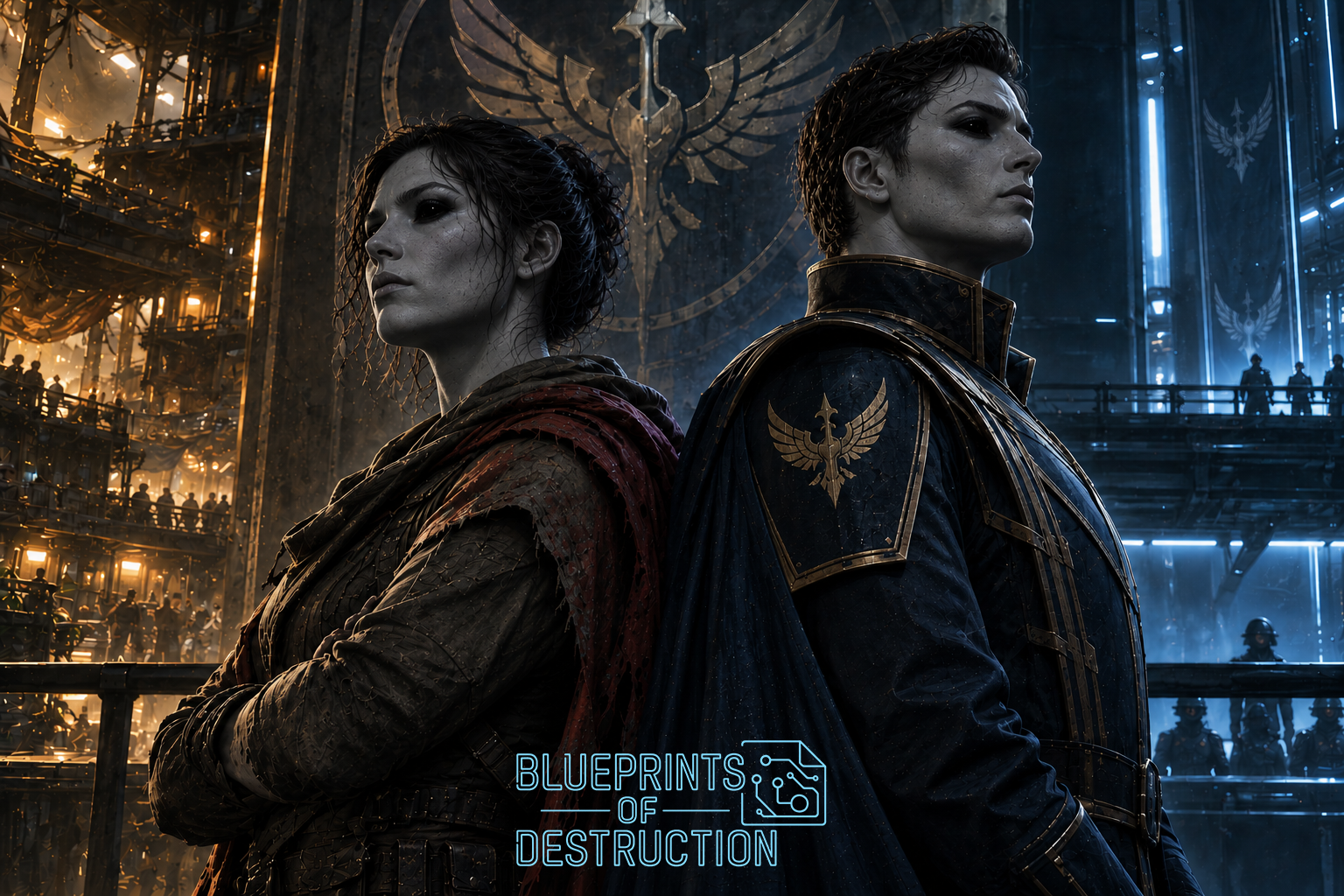
The foil character acts like a mirror. With similar environments and pressures, their responses are where the differences are highlighted the most. These varied reactions make the primary character's values, flaws, and growth easier for the reader to identify.
Foils are especially powerful in system-heavy worlds because they show how the same system produces different results depending on behavior.
A strong foil character can help answer questions the reader may have. For example: "Who would this character be if they made different choices, and what traits do they have that are chosen instead of inherent?"
A foil exists to make something visible.
Foil characters work through contrast. If the main character is quiet, the foil might be outspoken. Perhaps the main character is idealistic, and the foil is cynical. These contrasts help sharpen the audience's understanding of both characters.
Foil and Theme
The foil character can have a powerful impact on your story and can help visualize the theme through conflict. The foil character can be used as a tool to highlight the fact that the main character's current belief system is flawed, in the perspective of the audience. The focal character, and his or her foil character, do not necessarily need to be aware of their counterpart in order for the foil role to be effective.
The foil character is a living argument for a different answer to the question that the theme is asking. Instead of the theme being a simple idea, it is able to become a debate between choices. Because of this, the theme is able to change from a notion, into tension.
The theme provides a question. The protagonist thinks they have an answer. The foil offers a competing answer. Without a foil, your story might tend to feel one-sided. With a foil, the audience is able to see multiple valid perspectives.
Types of Foil Relationships
1. Moral Foils
While both characters are equally capable, they differ when it comes to their ethics. While one character compromises, the other stays steadfast. While one rationalizes, the other repents. The main character and the foil show what the story says is right or wrong through the contrast of morality.
2. Situational Foils
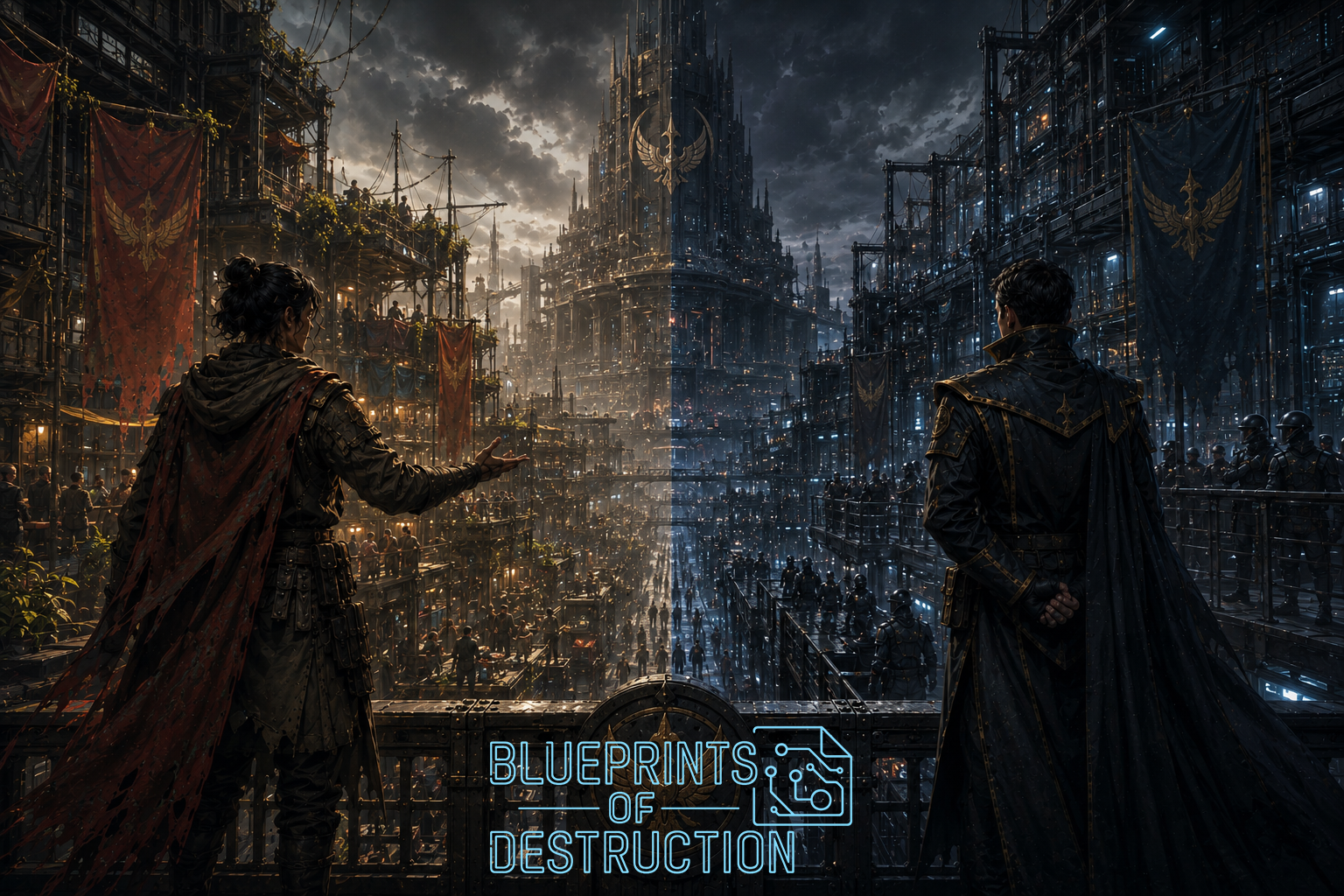
These characters start in similar positions, but eventually grow and change due to circumstances. With the same background and different outcomes, methodological differences are able to be highlighted more clearly.
One character is able to gain access and the other is denied. One is able to acquire protection as the other is exposed.
3. Temperamental Foils
Temperamental foils contrast through emotion or psychology.
One character is loyal while the other relies on self-preservation. One is able to control themselves and their actions, while the other is impulsive.
4. Outcome Foils
This foil shows where the protagonist could end up. This can be either a fallen version of the protagonist, a hollow version, a cautionary tale of survival, or even show the foil character as a positive outcome of a fallen main character.
5. Ideological Foil
This is where the foil and the protagonist believe different things about the world. Using the foil as an ideological contrast can be a powerful way to highlight the theme of the story.
Define a Foil Character with Strengthened Theme
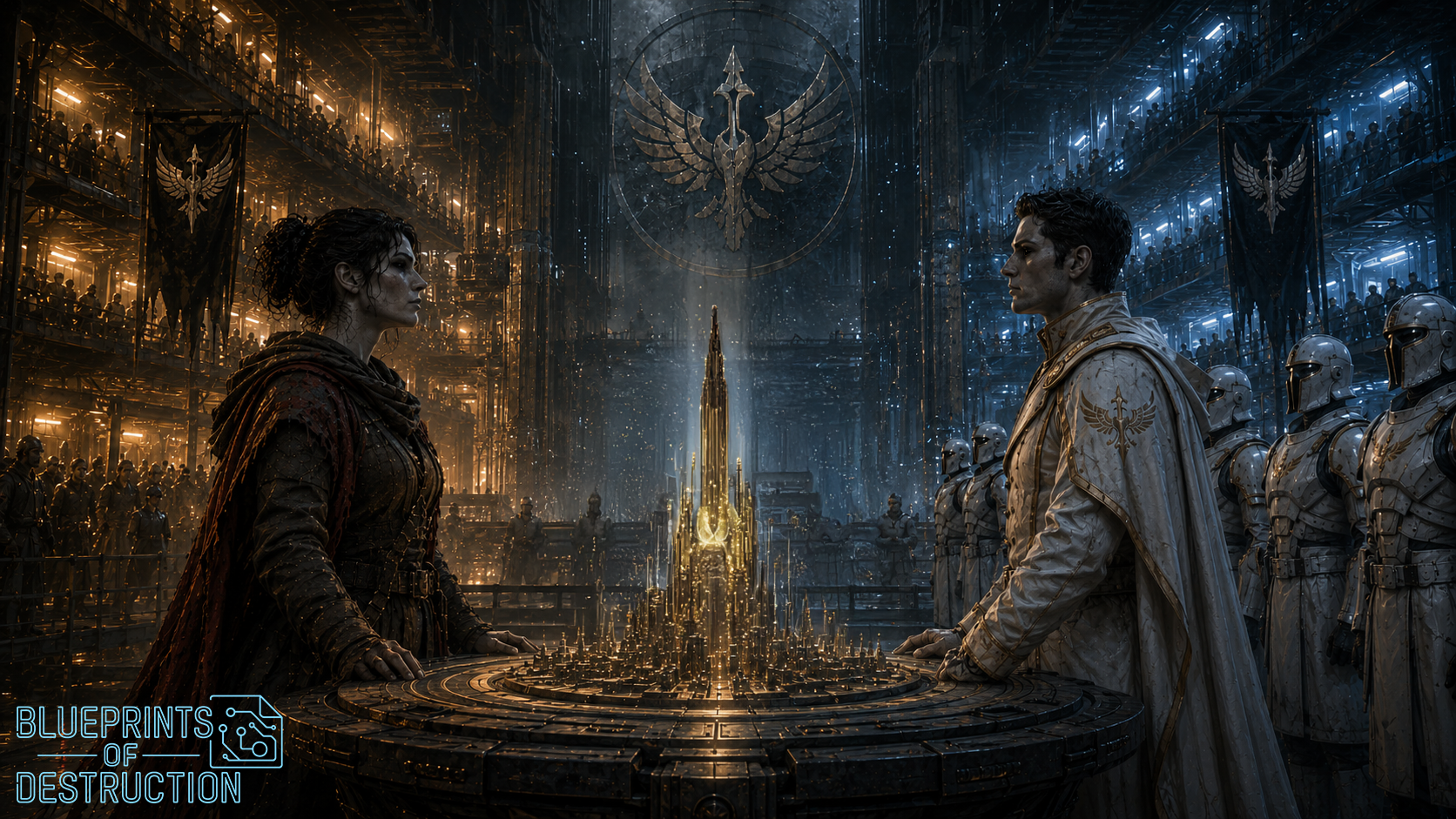
A foil character can show the reader instead of simply telling them.
Rather than saying, "Power corrupts," it is better to show how power can be a corrupting force.
One character may resist power and suffer because of it, while the other character accepts power and gains temporary comfort. Another character may accept power but break under its weight.
This is how foil characters can allow the theme to emerge through contrast.
The Mechanics of a Foil
A foil allows for narrative tension without necessarily needing a villain.
A foil is basically a character-level counter-system. Just as a system defines behavior, and a counter-system introduces friction, so can a character and a foil work in concert.
The Foil's Role
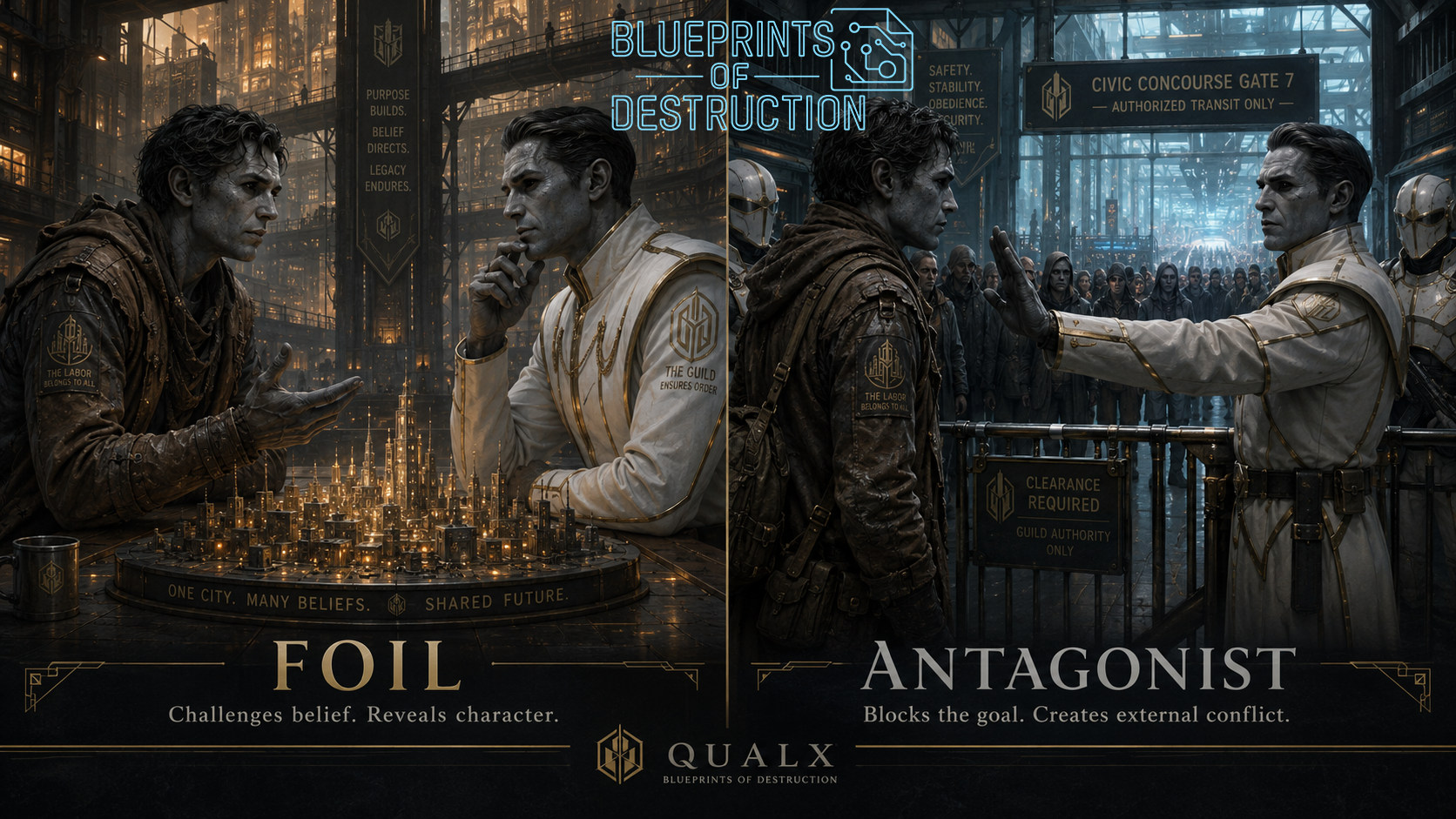
There are three critical things that a foil completes inside of a story engine.
1. Reveal Character
A foil is able to reveal a character's personality faster. The contrast is able to be shown naturally, without exposition.
2. Create Internal Conflict
A well-made foil doesn't just create opposition, he or she challenges the protagonist's worldview.
Through this challenge, the character is urged to ask questions about his or her own beliefs and actions.
3. Strengthens the Theme
The foil is able to ask the story what happens if the "right" way to live is challenged. The foil offers an alternative storyline for both the reader and writer to ponder.
The foil is not simply an opposite, a rival, or a villain. The foil is a mirror that shows what the main character could become, or refuses to become.
When two characters want the same thing, but have different opinions or motivations of how to get there, a solid foundation for a foil character has begun to grow.
Creating a Foil Character of Your Own
1.Define Your Focus Character in One Sentence
This should be as simple as you can make it. a simple formula might look like:
"This is a character who [behavior] because they [belief]."
For example:
"A soldier who protects others because he believes strength keeps people safe"
2. Flip One Element
Don't make the foil character completely opposite from the focal character. Only one core axis needs to be changed in order for the foil to be effective. The changed element could be:
- Belief
- Method
- Personality
- Priority
So, if the main character believes strength is what keeps people safe, the foil character might believe that too much strength puts people in harms way.
Both characters care about safety, but have different methods for how to achieve it, even though strength is foundational in both characters' belief systems.
3. The Same Goal
If the main character and the foil character don't want the same thing, then they are simply different characters. The goal is about tying the foil and primary character's motives together to highlight and reflect the competing ideas.
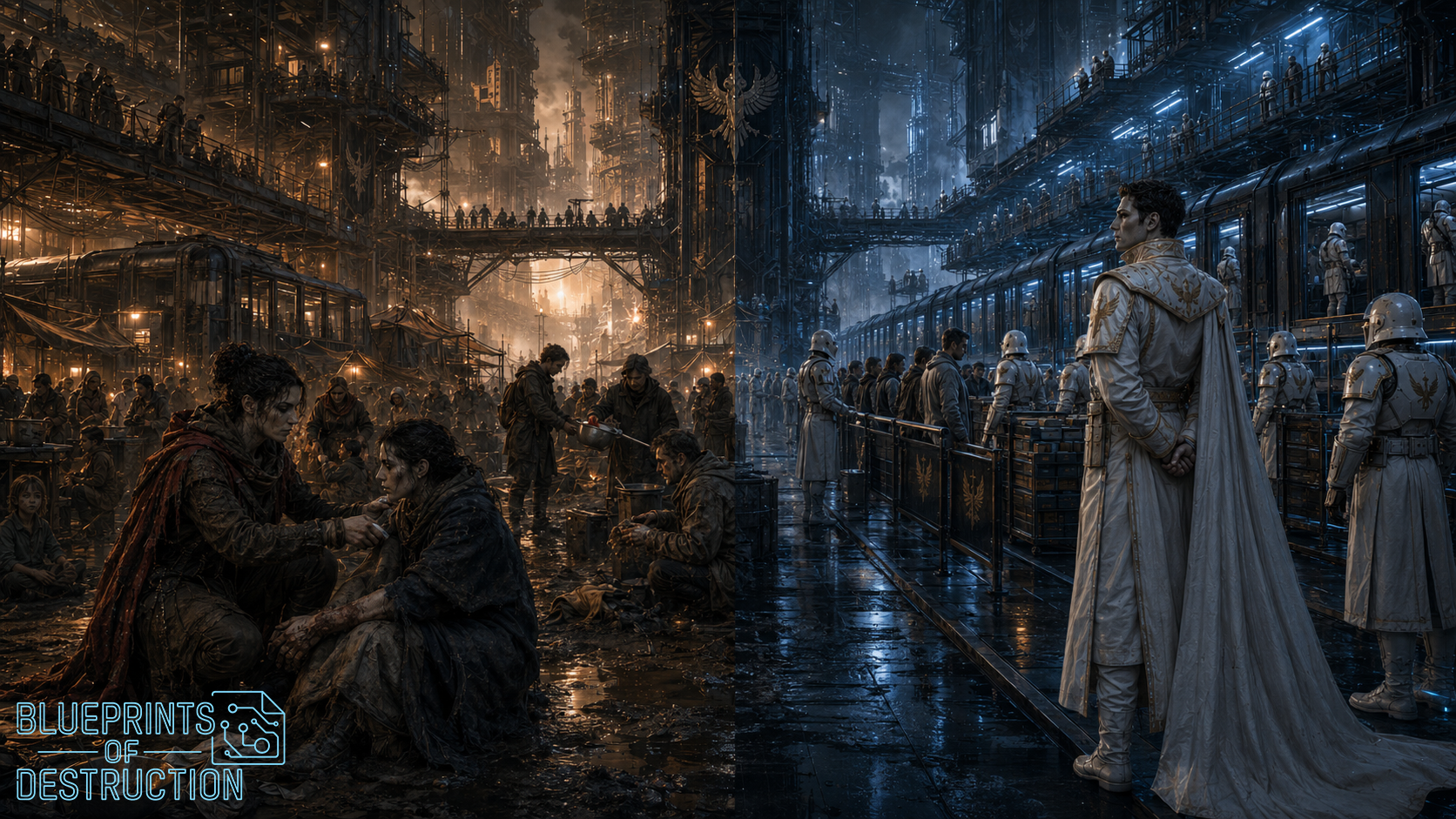
If the goal is to protect a city, the protagonists goal might be to defend it. His or her belief would be that "people are worth saving." The foil then might also believe that people need saving. The foil's method might be that "people must be controlled in order to survive."
These two characters have the same goal, but their worldviews are different, which generates tension.
4. Challenge
In the storyline, the foil character shouldn't just "be there." They need to challenge their counterpart. The foil needs to either question, challenge, or expose a weakness about the other character:
What does the foil believe that makes the focal character uncomfortable?
What is the method the foil character uses to challenge his or her parallel?
The resulting discomfort is one of the ways a story is fueled.
5. Decide the Change
By the end of the story you need to decide who changes or who doesn't. Does the protagonist change? Does the foil? Do they prove each other right or wrong? Is it possible they are both right or both wrong, and what change is revealed to the audience?
This decision helps to solidify both the foil and the protagonist's character arc. The foil isn't just a decoration inside the story. They are part of the story's engine.
Here is a simple template to help develop both the primary character and the foil character:
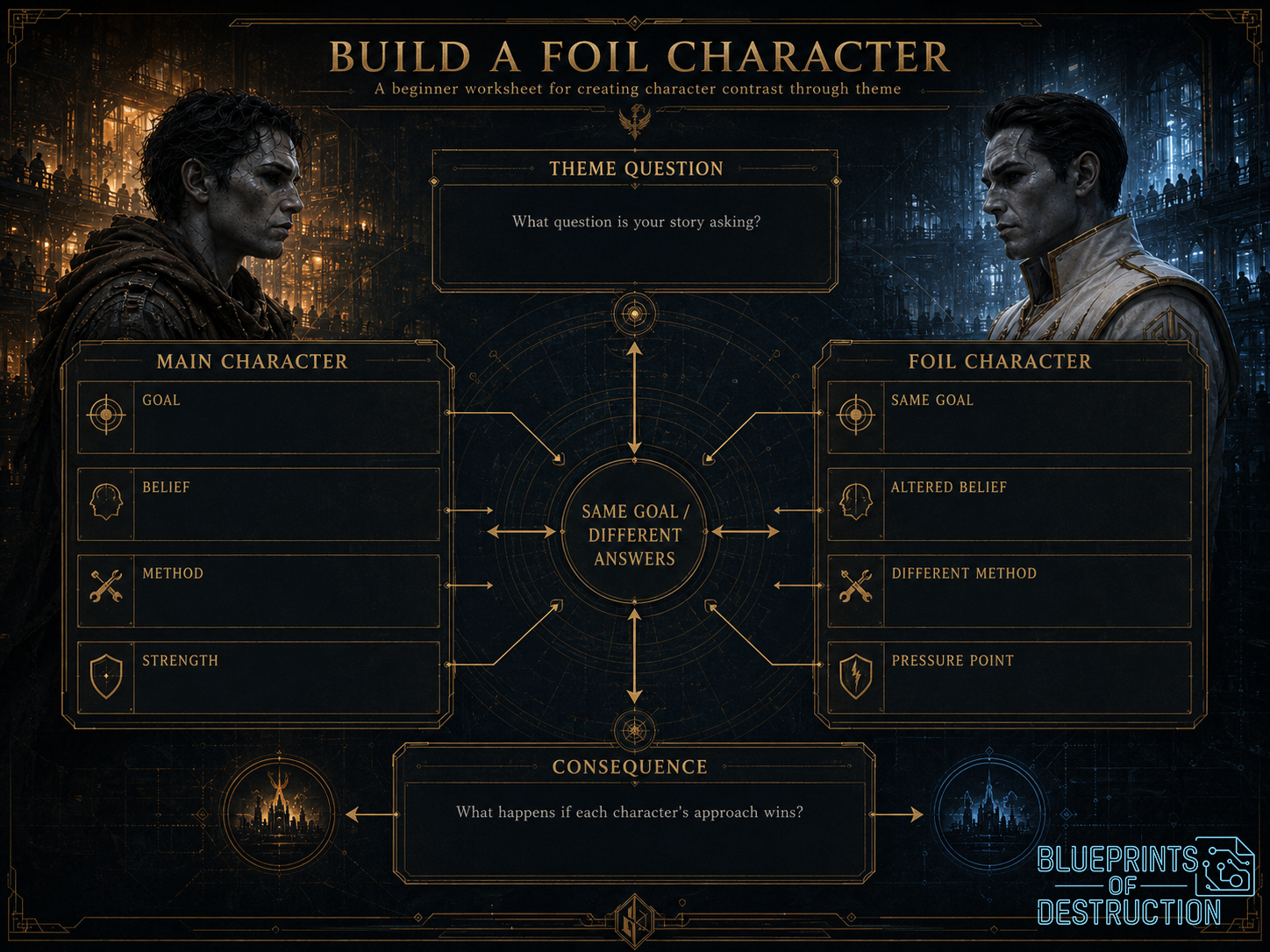
Main Character:
- Goal:
- Belief:
- Method:
Foil Character:
- Same Goal:
- Opposite (or altered) Belief:
- Different Method:
Questions that can help create a foil character (and any other well-rounded character with conflicting views) is:
- What if someone believed the opposite of my main character?
- Would this belief be justified?
Just these questions can generate:
- Conflict
- Dialogue
- Theme
- Character Growth
The theme is the question.
The focal character is the answer.
The foil is the competing answer.
The story is how the answer is proven.
What is your story's question? Who has the correct answer? How does your story prove it?
The only way to determine the answers to these questions is to unleash your inner author and write!
