Writing Villains: Everybody Is a Hero in Their Own Story
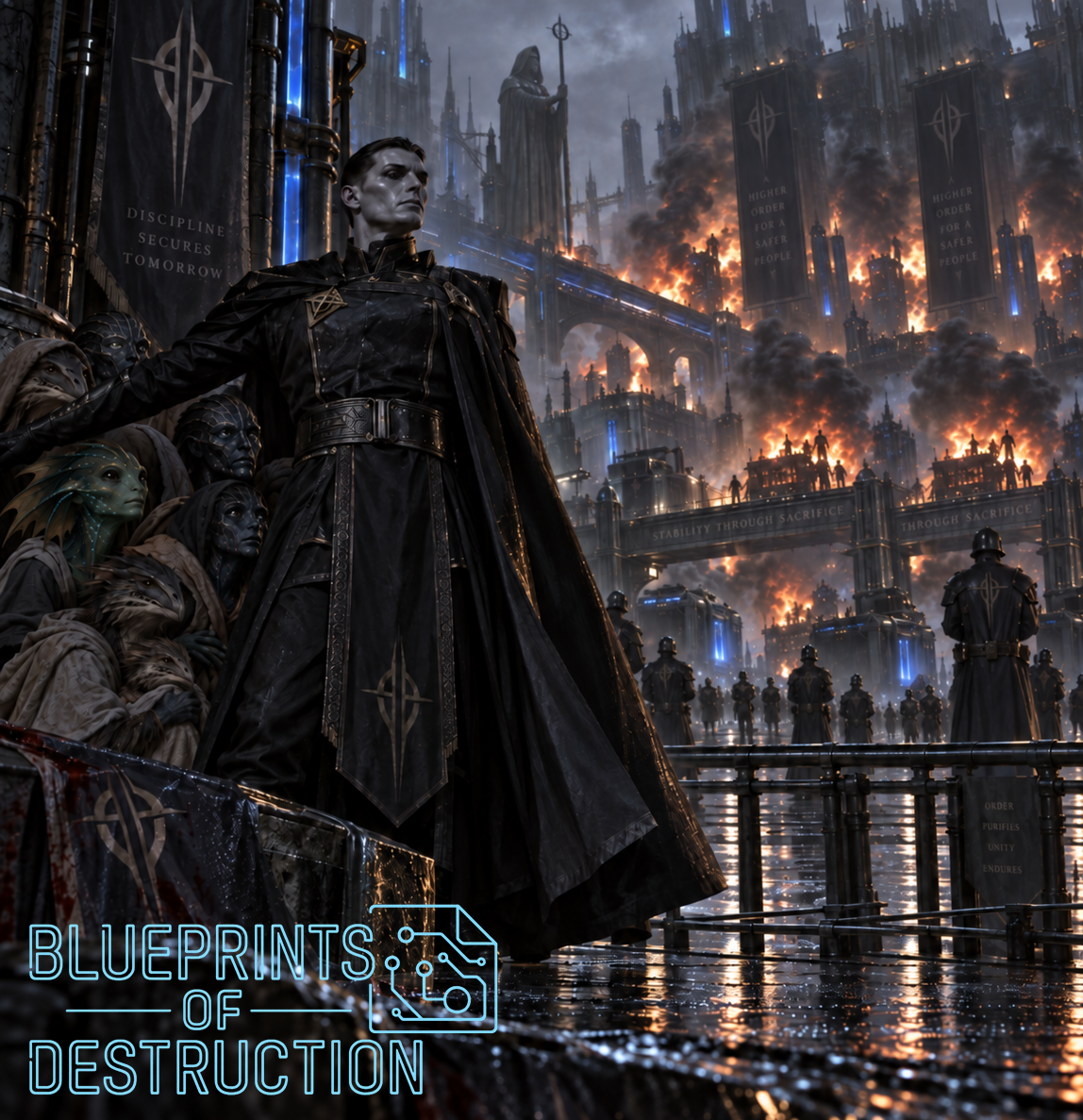
A strong villain does not wake up and think, "I am the villain. I am going to be evil today." Yet, all too many writers write villains this way. Most villains believe they are right. They may be selfish, cruel, prideful, controlling, or destructive, but inside their own minds, their actions make sense.
This is why the phrase "everybody is a hero in their own story" is so useful for writers. It reminds us that villains, just like protagonists, should have reasons, wounds, goals, and beliefs. A character becomes more interesting when readers can understand how they justify their choices, even when the reader may not agree with them.
A Villain Is More Than Someone Who Does Bad Things
A villain is not strong because they hurt people, break rules, or oppose the hero. A villain becomes compelling when they believe their actions are necessary.
Perhaps the villain believes:
- They are protecting people.
- They are restoring justice.
- The world is broken, and only they are brave enough to fix it.
- Mercy is weakness.
- Their suffering gives them a right to make others suffer.
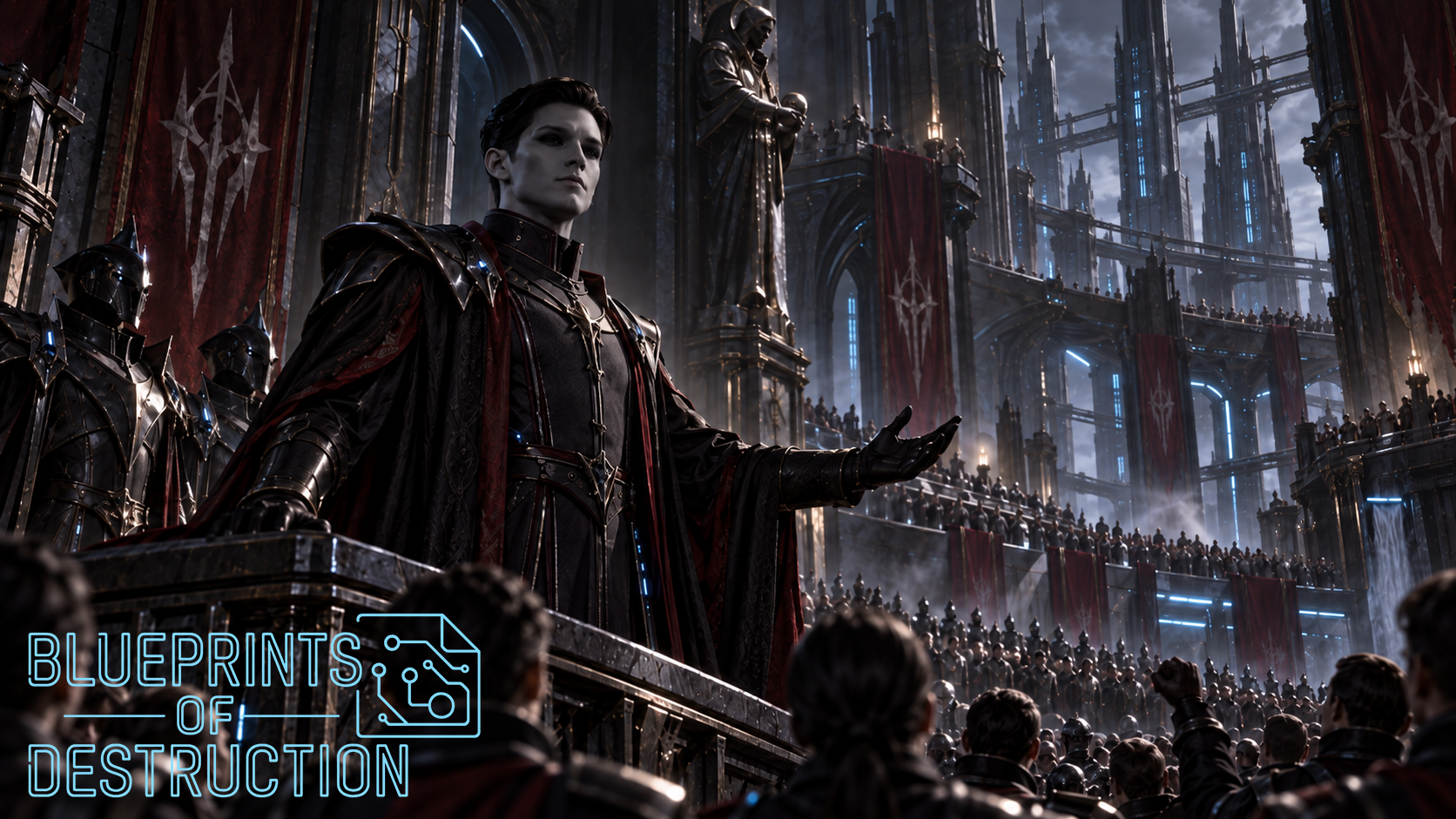
Giving a villain solid motivations is not about making them good. It is about making them understandable.
The Villain's Inner Story
Every villain has an inner story. This is the version of events they tell themselves to justify their choices.
The main character may see the villain as dangerous, selfish, or evil, but the villain may see themselves in an entirely different light: as strong, practical, wounded, chosen, betrayed, or misunderstood.
This difference can create powerful conflict. The villain is not just fighting the hero. The villain is fighting to prove that their version of reality is true.
What Does the Villain Want?
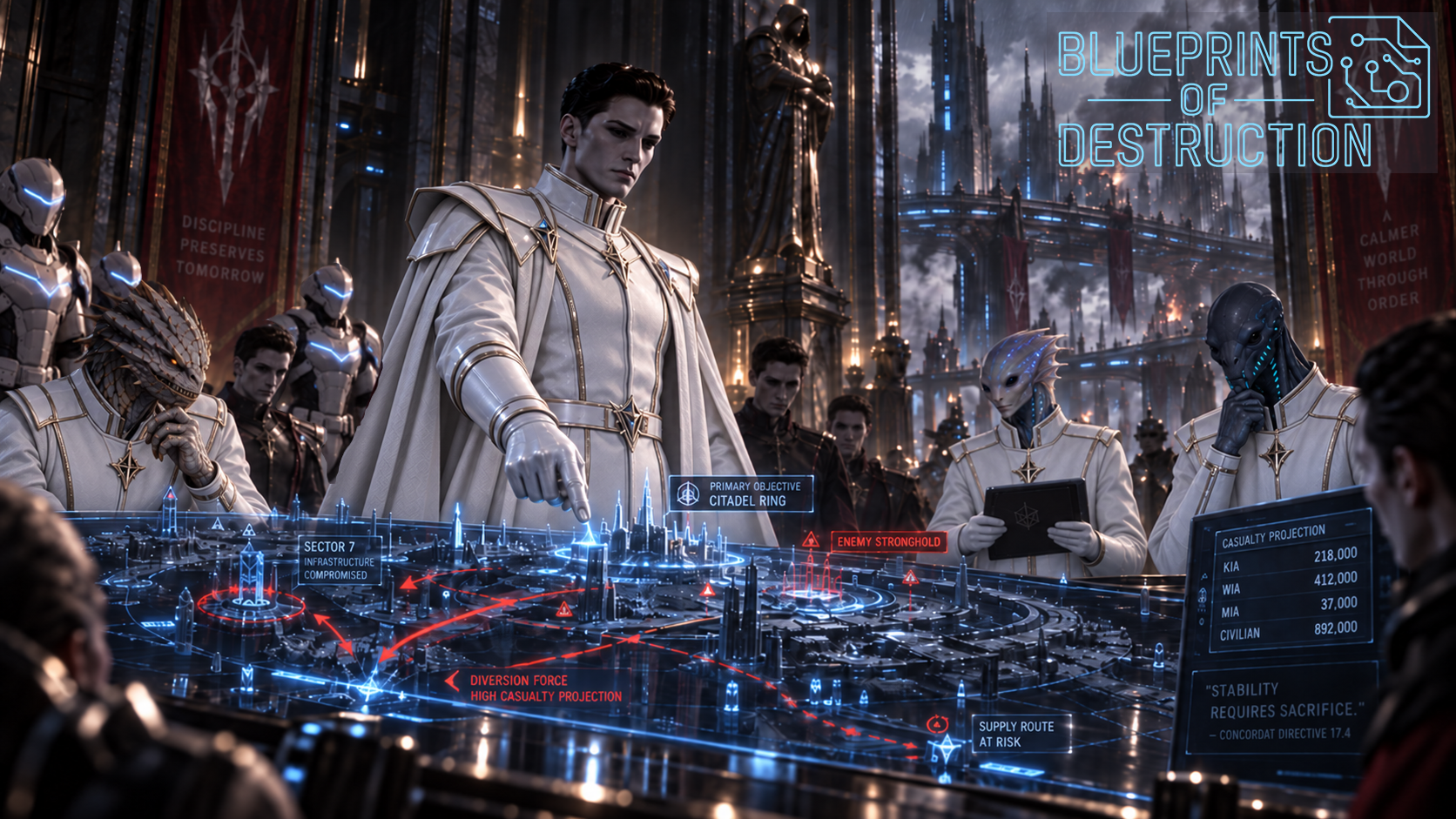
To begin building a strong villain, you need to build a strong character. Just like any main character, a villain should also have a want, a need, a wound, and a goal.
Your villain might want:
- Power
- Revenge
- Safety
- Respect
- Control
- The chance to fix something that hurt them
The more specific the desire, the stronger the villain. "This villain wants to rule the world" is fine, but it can become more interesting when we know why.
Maybe the villain wants to rule the world because they watched weak leaders destroy their home. Perhaps they believe freedom breeds chaos. Maybe they think people are too foolish to govern themselves. when you go deeper into what your villain wants, you can give them more than a goal. You can give them a worldview.
How Does the Villain Justify Their Actions?
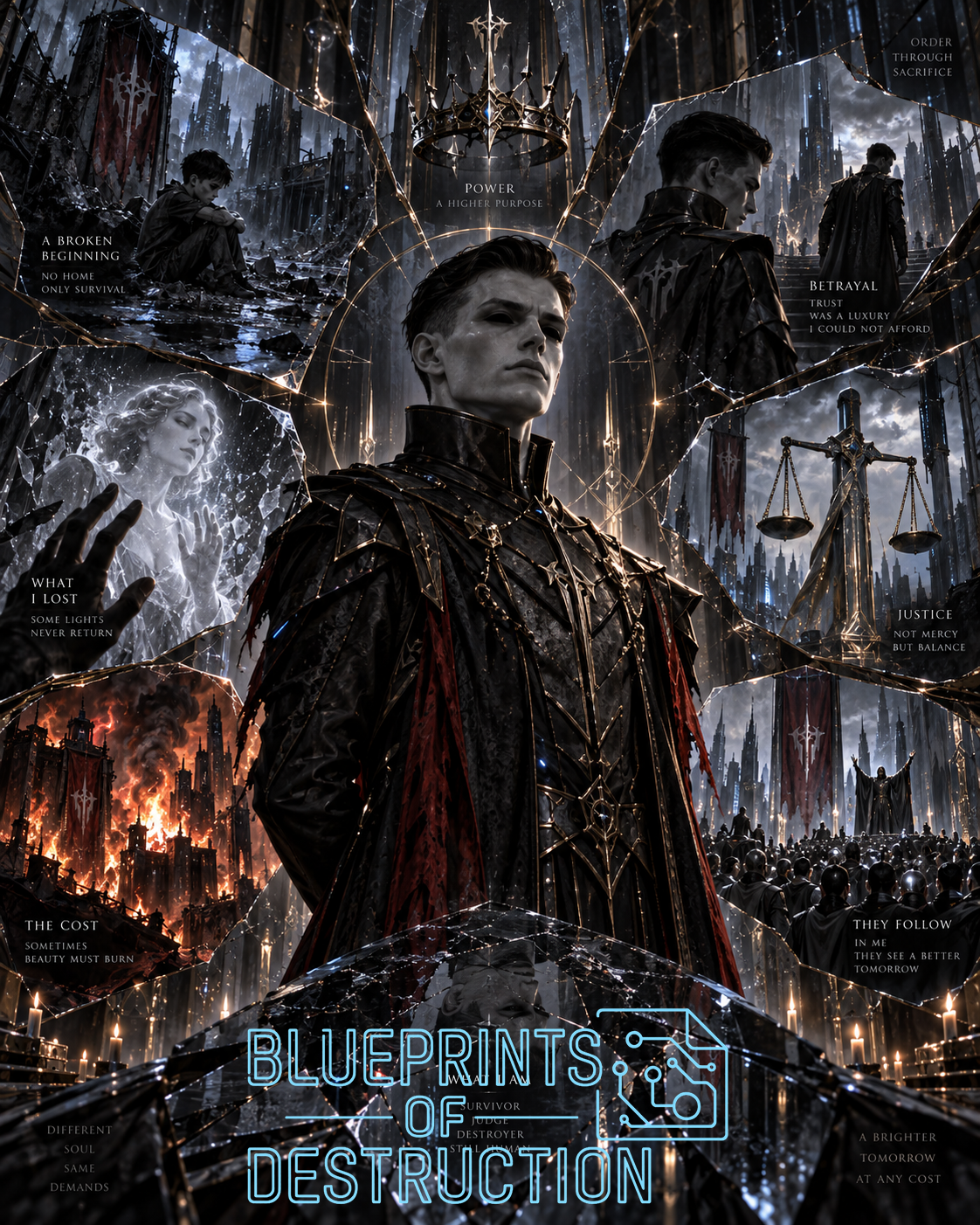
A villain's justification can be one of the most important parts of their character.
- A cruel character may say, "I am doing what must be done."
- A controlling character may say, "People are safer when they obey me."
- A vengeful character may say, "Justice was denied me, so I will take it myself."
- A prideful character may say, "No one else is worthy to lead."
- A fearful character may say, "If I do not strike first, I will be destroyed."
These justifications help the writer understand how the villain thinks.
A character may be lying to themselves. They may even know, deep, deep down, that they are wrong. But every character still needs a reason that feels believable to themselves and the reader.
A Character Can Be Wrong and Still Make Sense
Making a character understandable does not mean excusing their actions. A writer can show why a villain became cruel without saying cruelty is acceptable. A writer can reveal a character's pain without pretending that their victims do not matter. A writer can give a character a tragic past without using that past as a 'get out of jail free' card.
The goal is not to make the audience approve of a character. The goal is to help the audience understand how the character became who they are.
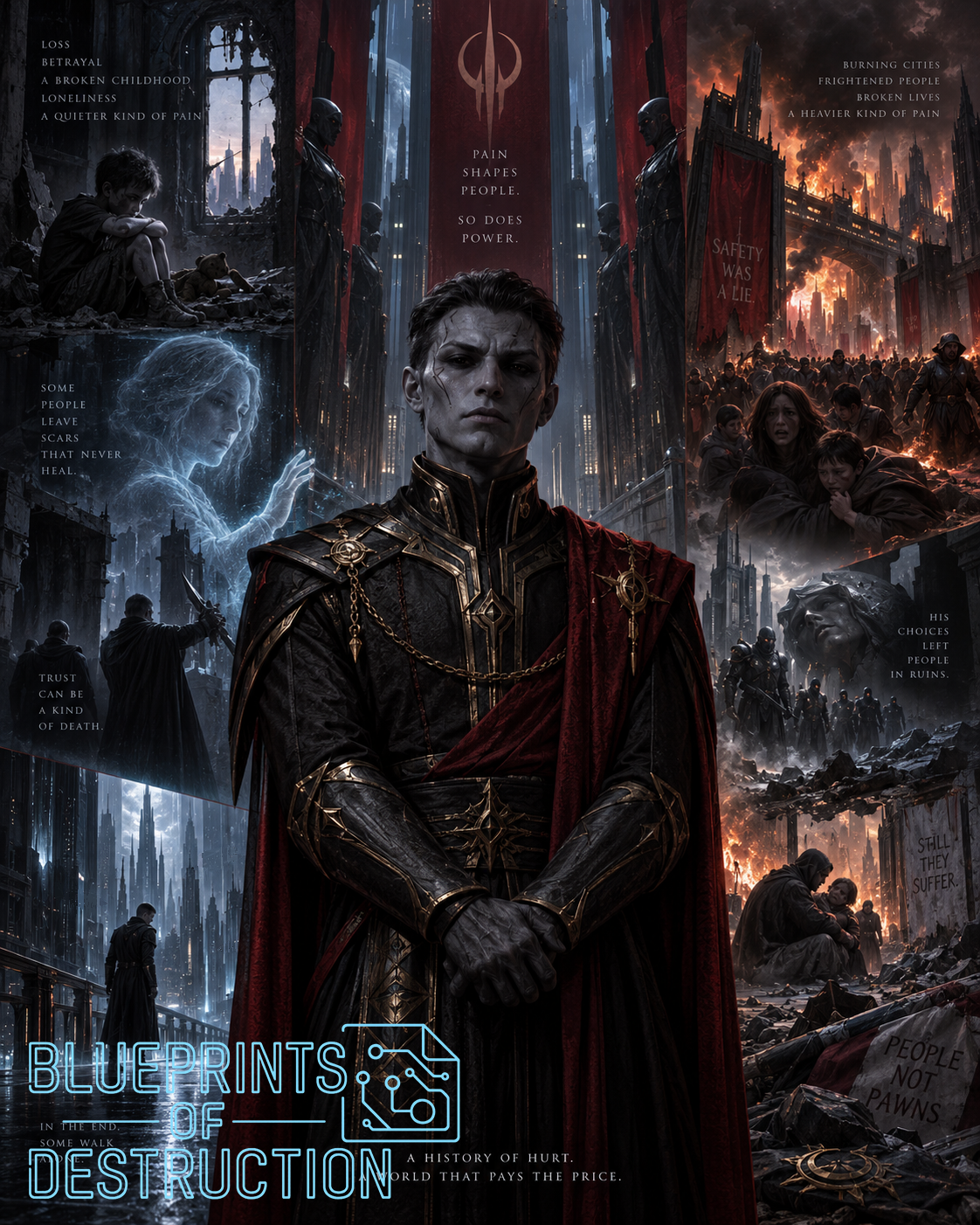
The Best Villains Challenge the Hero
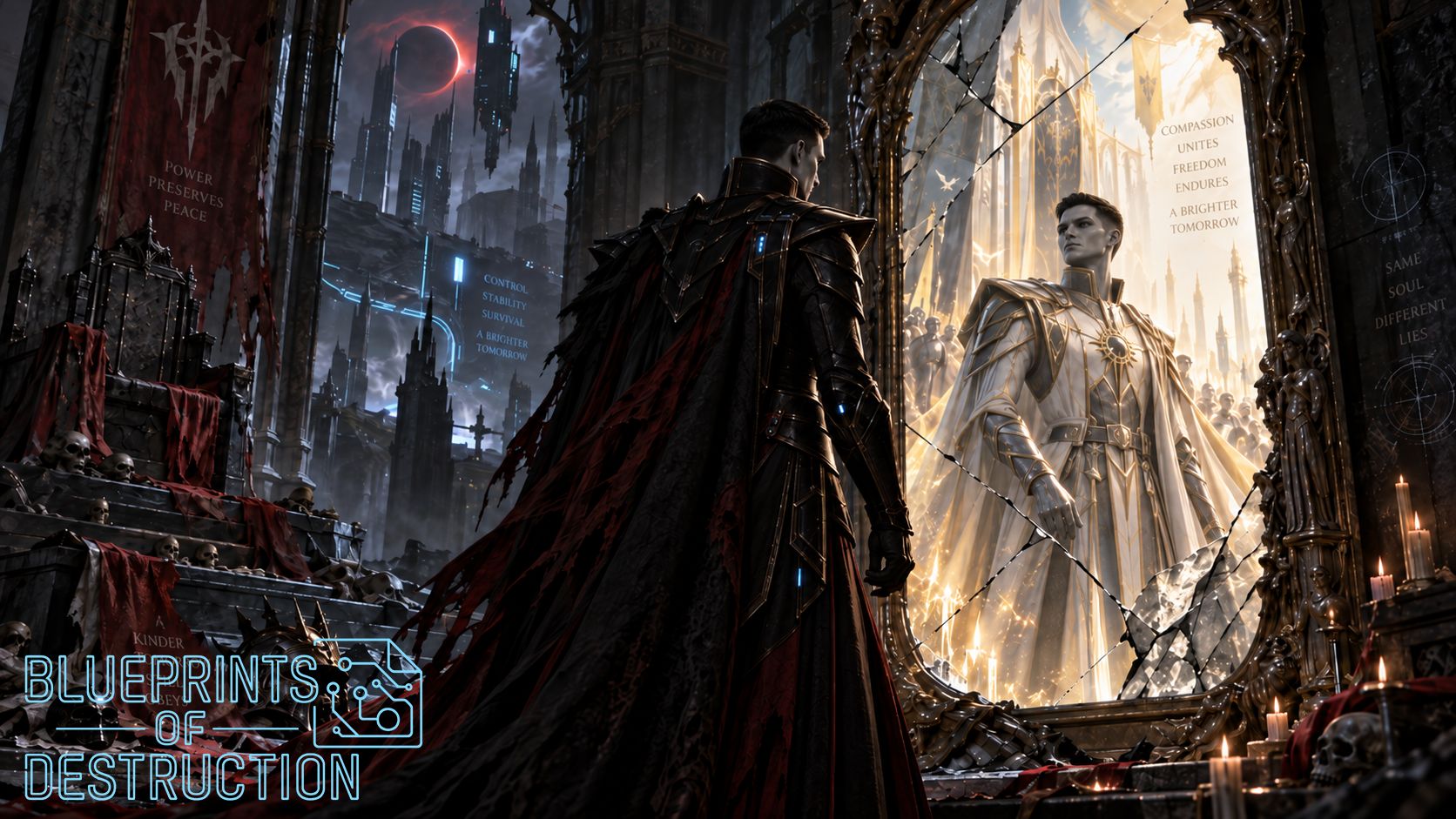
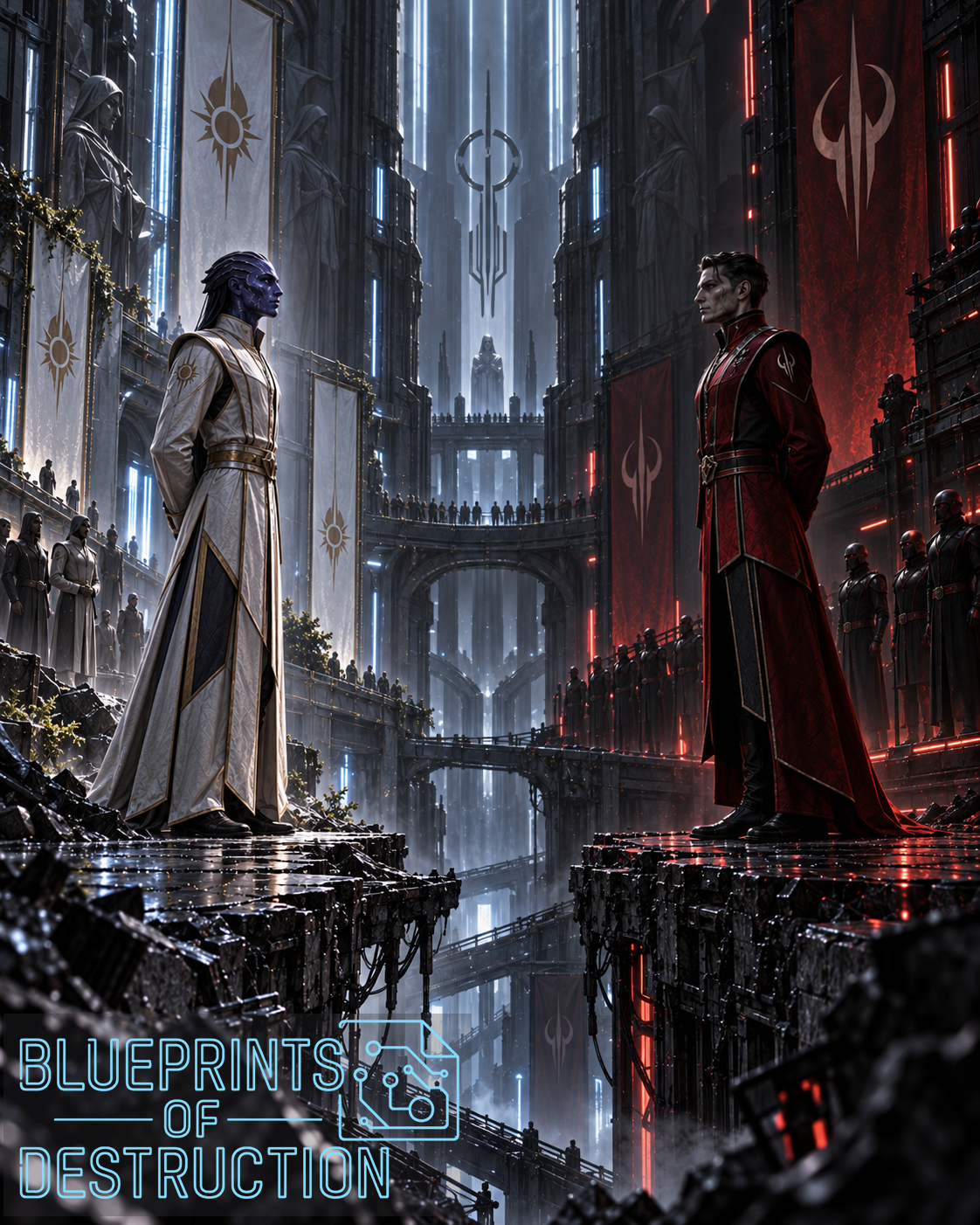
A strong villain should do more than oppose the main character physically. The villain should challenge them emotionally, morally, or spiritually. The villain may even represent what the protagonist could have become if they made different choices.
- If the protagonist values mercy, the villain may see mercy as weakness.
- If the protagonist believes people can change, the villain may believe people must be controlled.
- If the protagonist wants freedom, the villain may believe freedom leads to destruction.
- If the protagonist is tempted by revenge, the villain may show what revenge looks like when it is all-consuming.
Through the opposition between the main character and the villain, the conflict of the story can become more than a simple fight. The main character and the villain are no longer battling over what happens next. They are fighting over what is true.
Questions to Ask When Writing a Villain
When building a villain, ask:
- What does this character want?
- Why do they believe they deserve it?
- Who do they blame for their pain?
- What lie do they believe about the world?
- What truth are they refusing to face?
- How do they justify their worst actions?
- What would this character say if they were allowed to tell the story from their point of view?
- How does this character challenge the protagonist's beliefs?
- What would the villain accuse the protagonist of doing wrong?
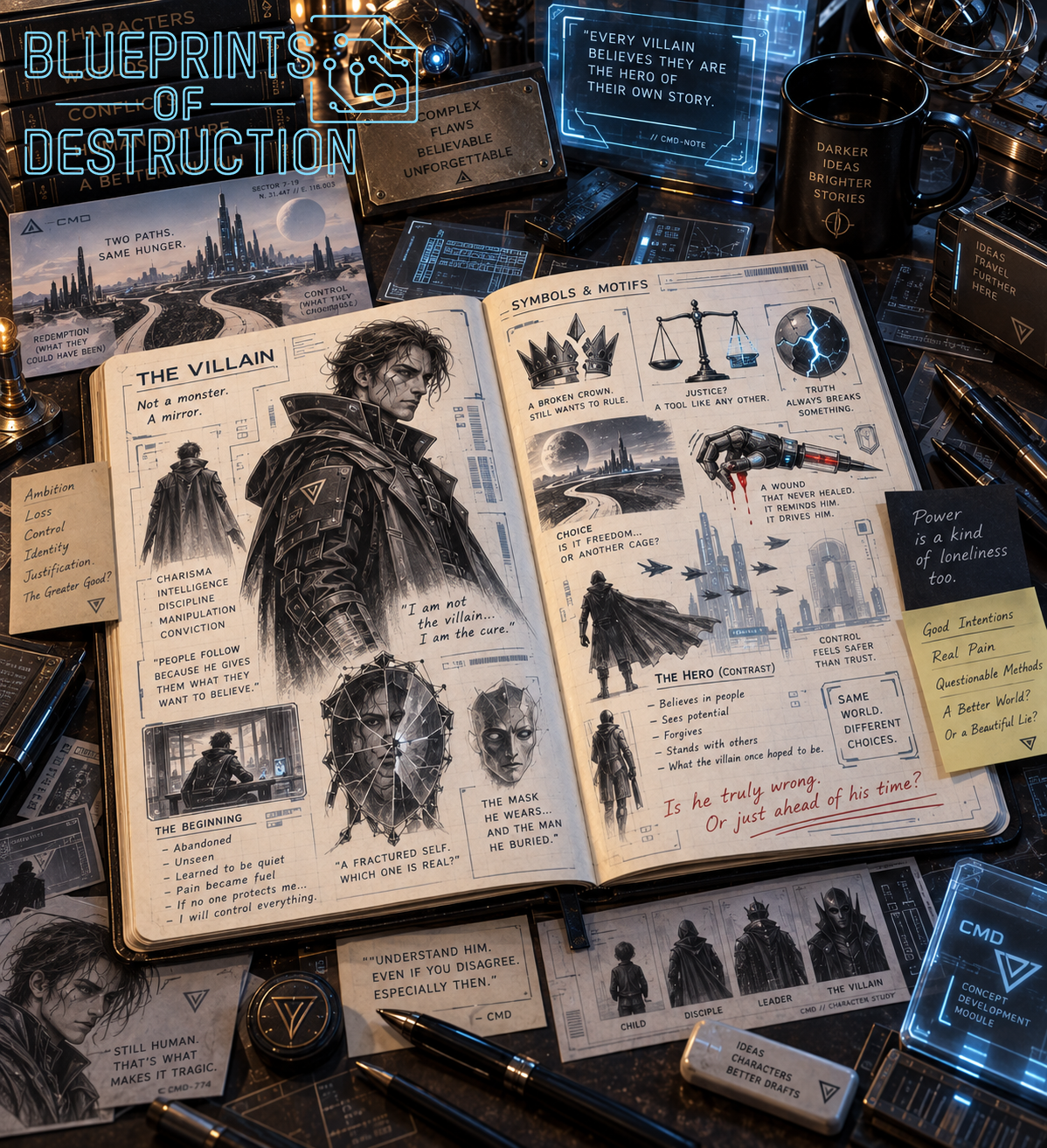
Now, let's flip this exercise on its head. Answer these questions for your main character from the point of view of the villain. As you answer them, ask yourself: Is your character's "hero" status challenged? Does the villain have merit in opposing the main character? Is your main character, perhaps, the "evil" one?
Everybody is a hero in their own story. That does not mean everybody is right. That what makes a villain so powerful. A villain may believe they are saving the world while destroying it. They may believe they are bringing justice while actually feeding revenge. They may believe they are protecting others, but really, they are just giving in to their own fear.
When you understand the story your character is telling themselves, you can write characters that feel more real, more intriguing, and more meaningful.
A good villain does not simply stand in the protagonist's way.
A good villain believes the protagonist is standing in theirs.