How to Build a Fictional World: Start Small
The prospect of building a world can sometimes seem like an insurmountable problem. If you look at worldbuilding in its entirety, that feeling might only grow stronger.
Worldbuilding is more than designing buildings, food, and clothing. It is about developing how characters interact with one another, the world, and how they can be challenged within the narrative.
Worldbuilding does not have to be daunting. If you break it down into smaller pieces, you may find that it isn't so scary after all.
Small Beginnings
As humans, we don't experience all aspects of the world we live in all at once. We only encounter a small sliver of the greater experience as we make it through our day to day lives.
The first place to start when building a fictional world of your own is to approach it from this tiny sliver. By only focusing on the world through the perspective of a character, you can develop your world in a manageable and practical way.
This is just a focus on the immediate environment where your story happens. This is not the whole world, the entire history, or the full system. This is the place where your character starts.
This might be:
- A single city block
- A spaceship
- A prison
- A village
- A hiking expedition on a mountain
- A Guild facility
Very few stories need more than this to start.
Why Start Small?
A common mistake for writers, especially beginners, is that they try to build everything about their world all at once. Governments, history, economics, and magic systems all create pressure, but when you develop these elements before a character's immediate surroundings the only thing you are creating is pressure on yourself. The goal is to create a story that is deeper than those pressures.
This can only be done if it is manageable for the creator. The best way to do this is to break things down into smaller parts.
Pressure within a story is created within a small setting. This allows for immediate tension, clear boundaries, and a space for meaningful choices. A story doesn't happen in a world, it happens in a specific place under pressure.
Five Core Questions for a Usable Setting
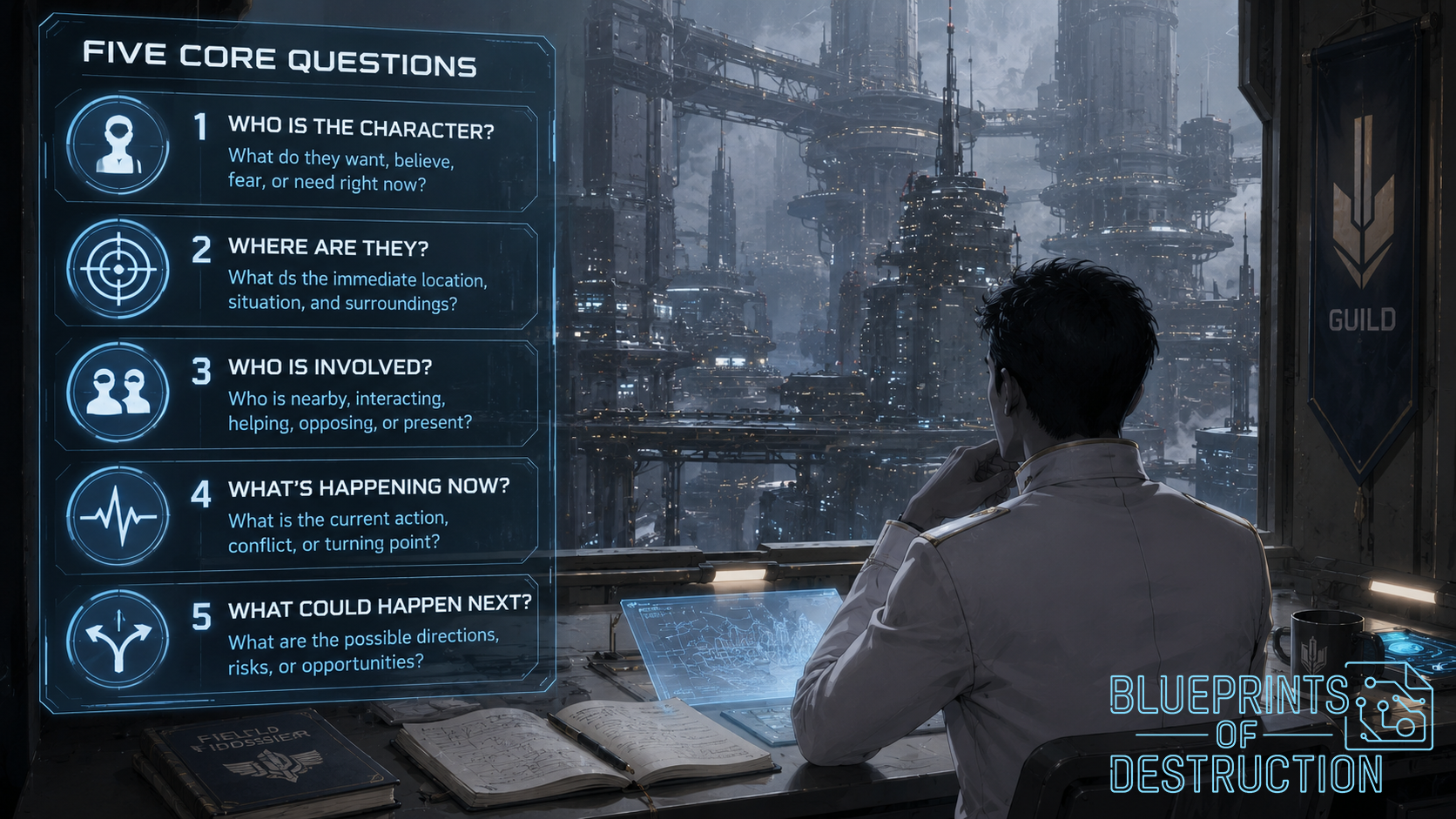
If you are able to answer the following questions, you are much closer to building a setting that you can use in your world immediately.
1. Exact Location
If your character can walk across this setting in a day or less, you have gotten the correct scale.
This is smaller than a "fantasy kingdom." This is perhaps, a crowded marketplace, a prison transport vehicle, or a remote mountain pass.
2. The Location's Purpose
What is the setting's purpose?
Every setting has a function. A hospital's function is to heal. A prison's function is to contain. A village's function is to survive.
Determining your setting's purpose will help you to create structure in your world, figure out character's roles, and even help to determine things like clothing and food.
3. What Isn't Working?
This is where you find the source of conflict in your word and the pressure that makes characters jump into action.
What is breaking, failing, or under strain? This might be a dangerous creature, corrupt authority, or lost communication.
This is how pressure is created. A good source of intriguing conflict is how you pull the reader into the story and keep their attention.
4. Who Has Control?
Every world has a power dynamic. Power dynamics are how conflict is made.
- Who makes the decisions?
- Who enforces the rules?
- Who is trapped?
- Who is trying to change things?
5. What is the Cost?
A strong setting always demands something. This is what creates the stakes in a story.
Examples of cost might be:
- Safety requires obedience
- Truth includes risk
- Survival demands sacrifice
Let's build an example setting from the world of Qualx.
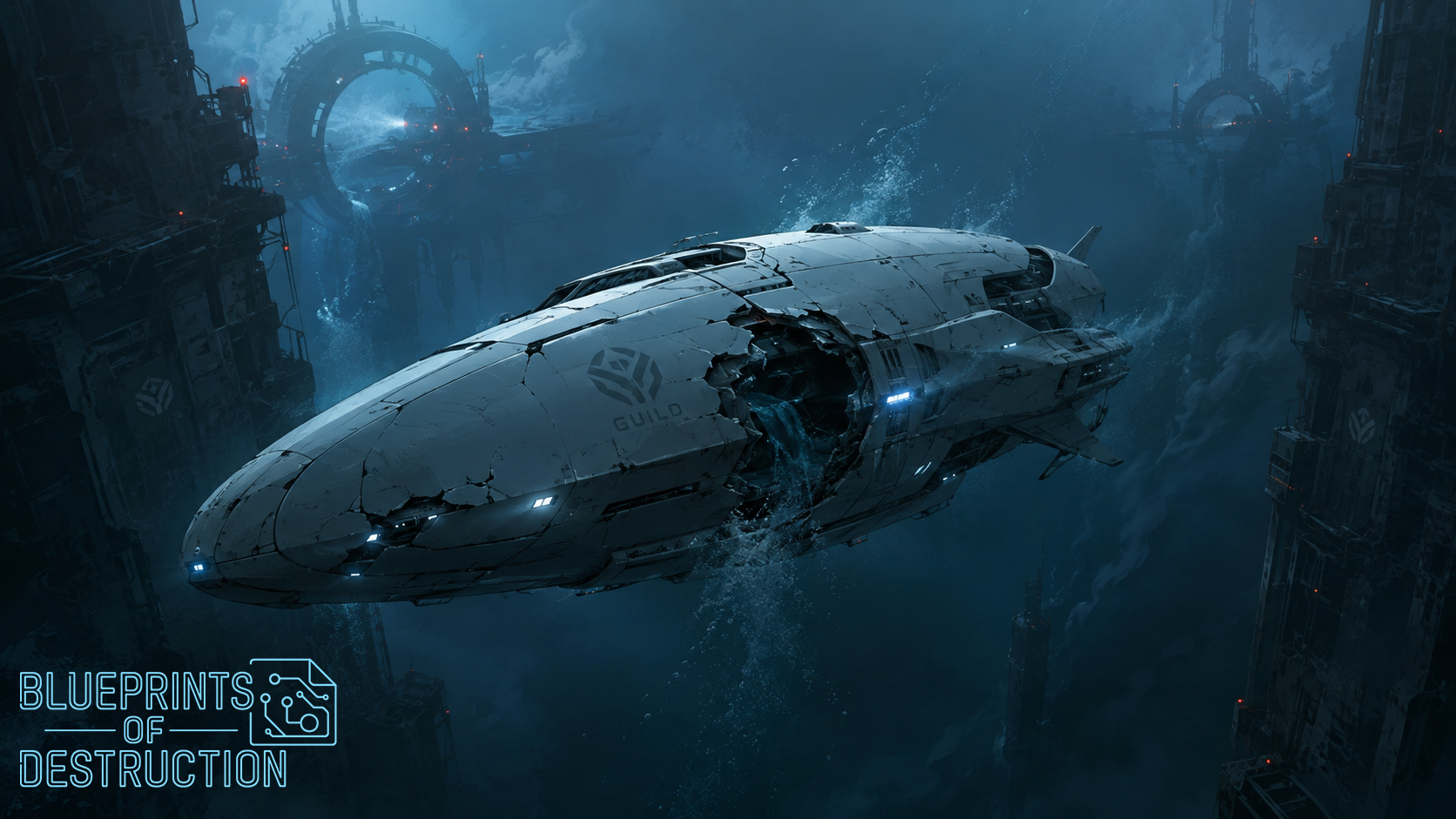
Exact Location:
A damaged Guild vessel drifting between two locations.
Purpose:
To safely move personnel and resources.
The Broken Element:
Navigation is offline. There is a leak and water is interfering with the systems.
Power Structure:
Captain: Demands order
Engineer: Knows something is wrong
Soldiers: Grow uneasy
Cost:
Fixing the problem may put everyone at risk.
Three Common Mistakes
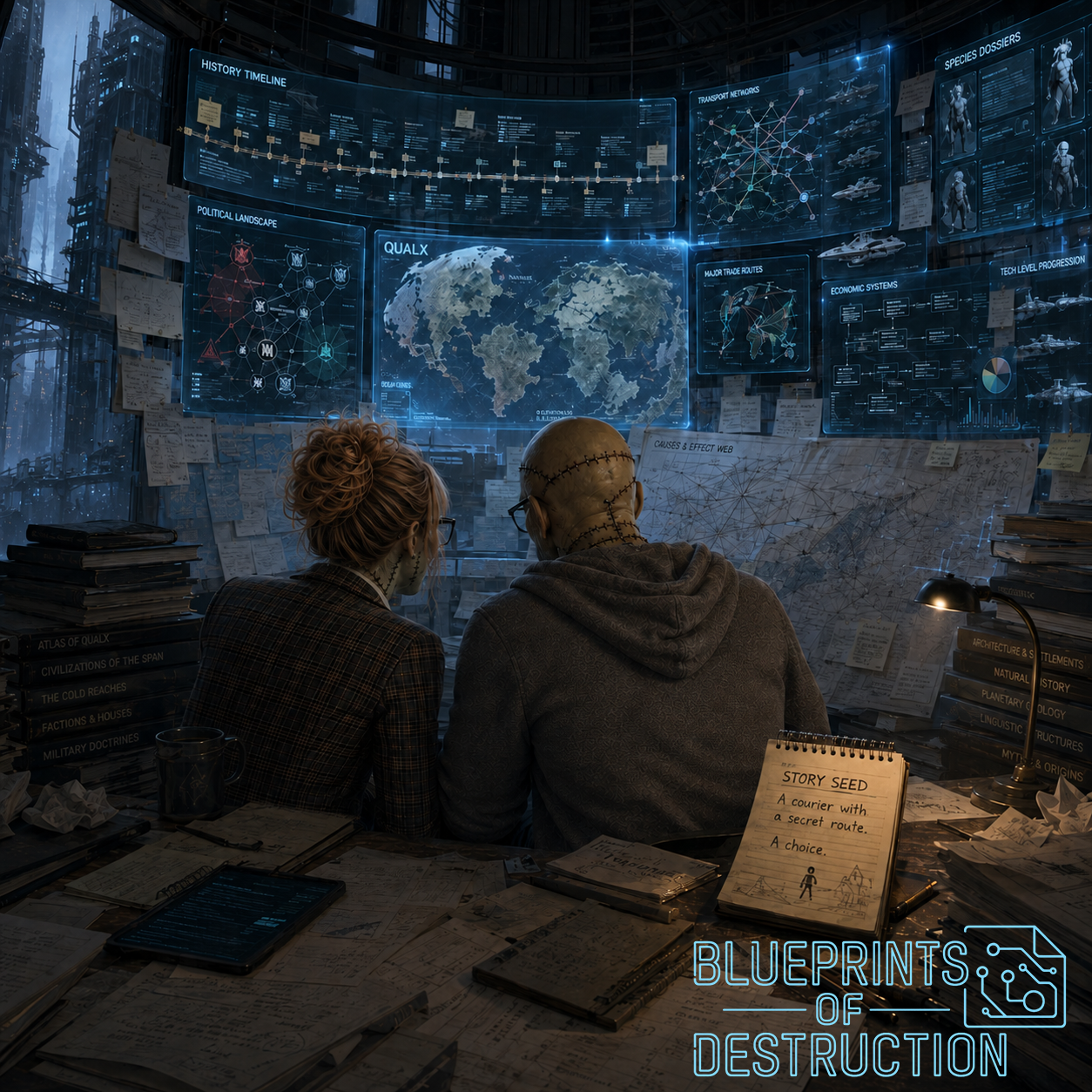
1. Too Much, Too Early
You don't need to develop every political system, a full map, or a thousand years of history.
Start with what the character touches.
Focus on the Present
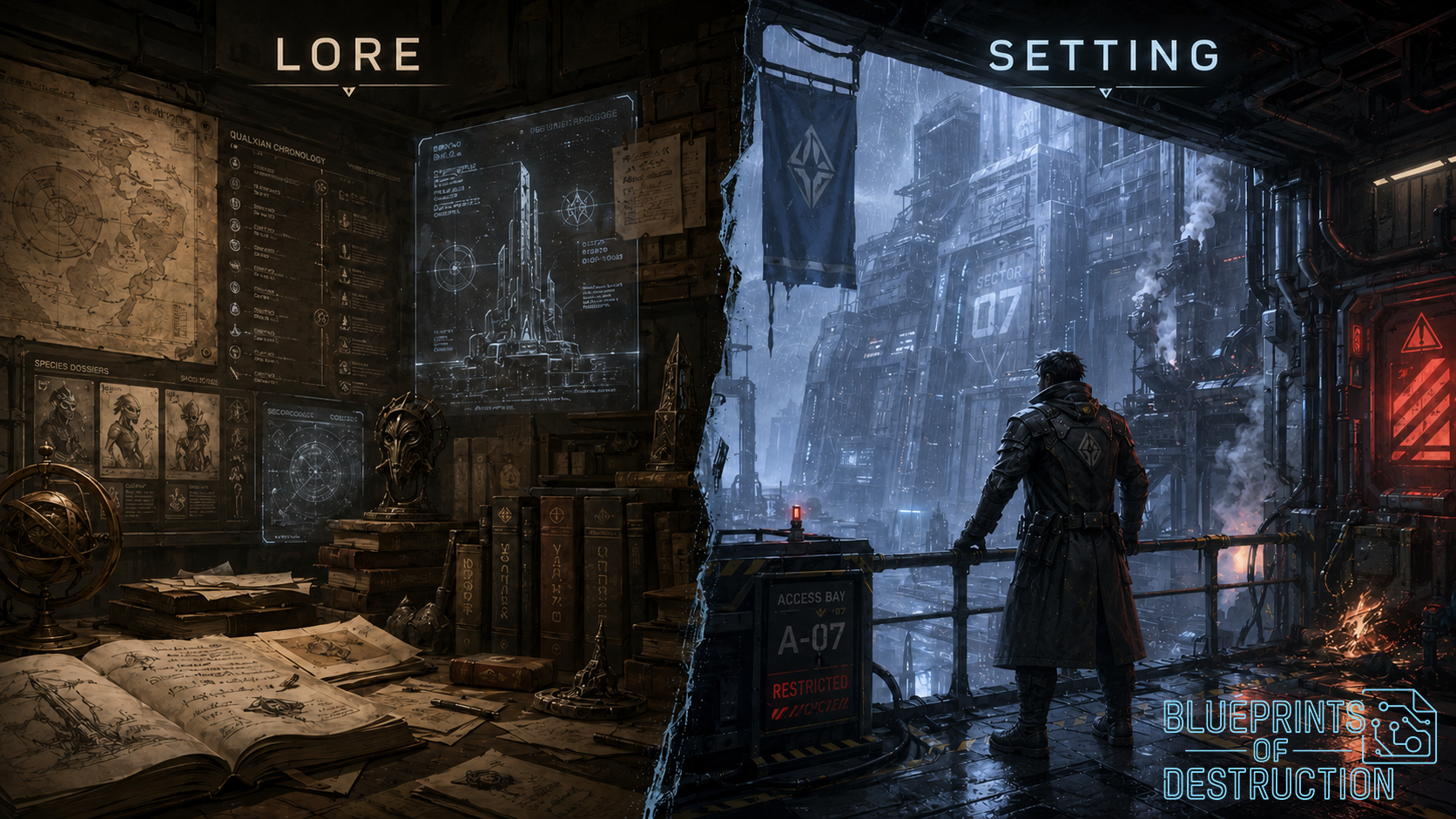
Lore and setting are not the same thing. Lore is the background to the story. Setting is the active environment.
The story takes place in the active setting, not in eras long gone.
Weak Pressure
If nothing is wrong in the story, then nothing happens in the story.
A peaceful setting without tension becomes static (and maybe a little bit boring).
A Simple Starting Exercise
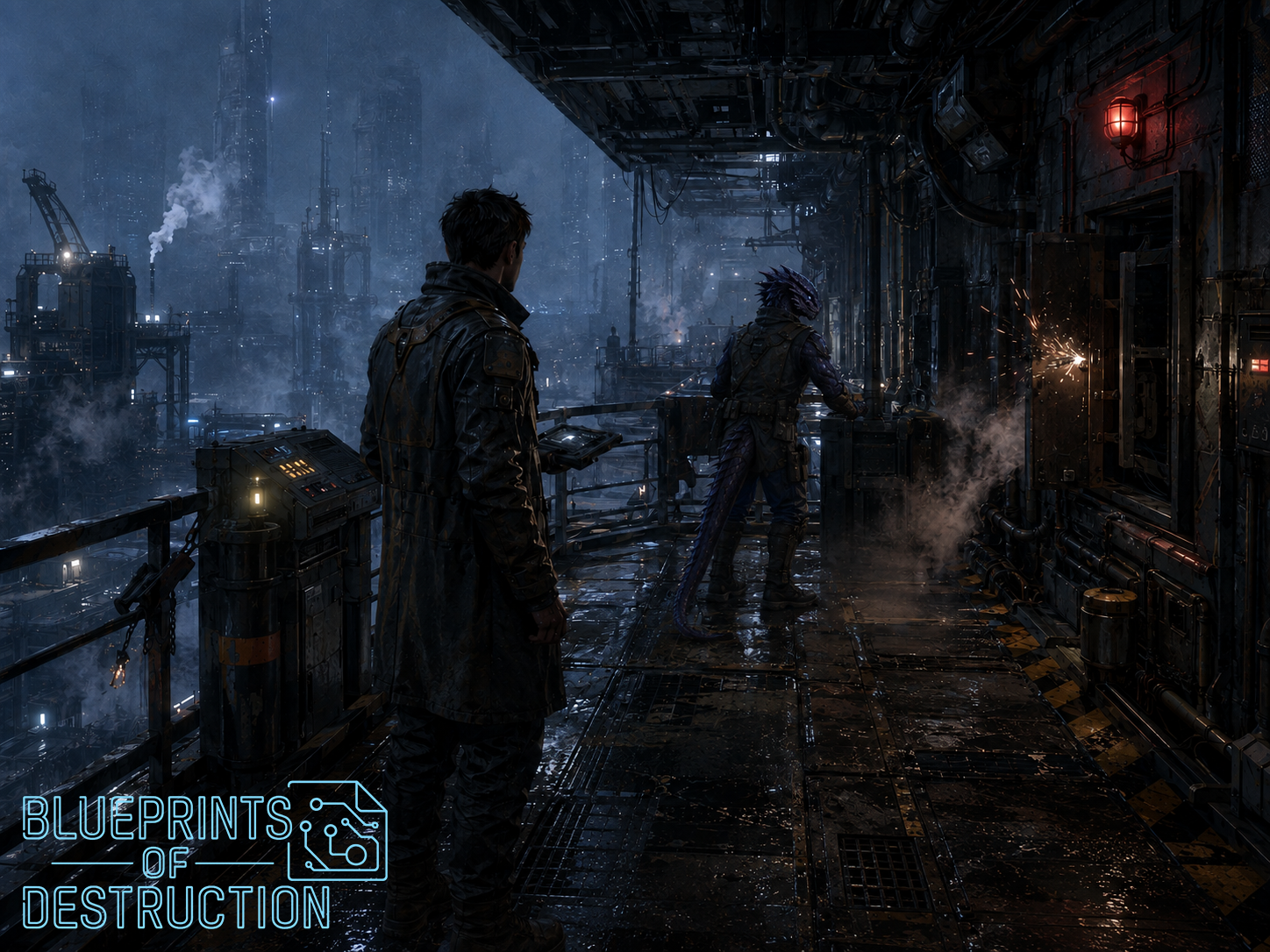
My story takes place in:
This place's function is:
Right now, the thing that is wrong is:
The people in control are:
The cost of staying here is:
If you can fill in those five lines, you are well on your way to getting started. You only need to build a place where something is about to go wrong. That is where stories truly begin. You don't need to build a world to unleash your inner author!
If you are still having trouble figuring out a manageable setting, check out the Small Setting Builder to help you build your immediate world!
