- Home
- Getting Started
- Planning Phase
How to Plan a Story Before You Start Writing
Why Planning Matters Before You Start Drafting
Before you write your first chapter, it helps to understand the foundation your story is standing on. Story planning gives you a place to organize your ideas, build your world, define your rules, shape your timeline, and prepare your characters before the drafting begins. This guide walks new writers through the early planning steps that can make a story feel clearer, stronger, and more consistent.
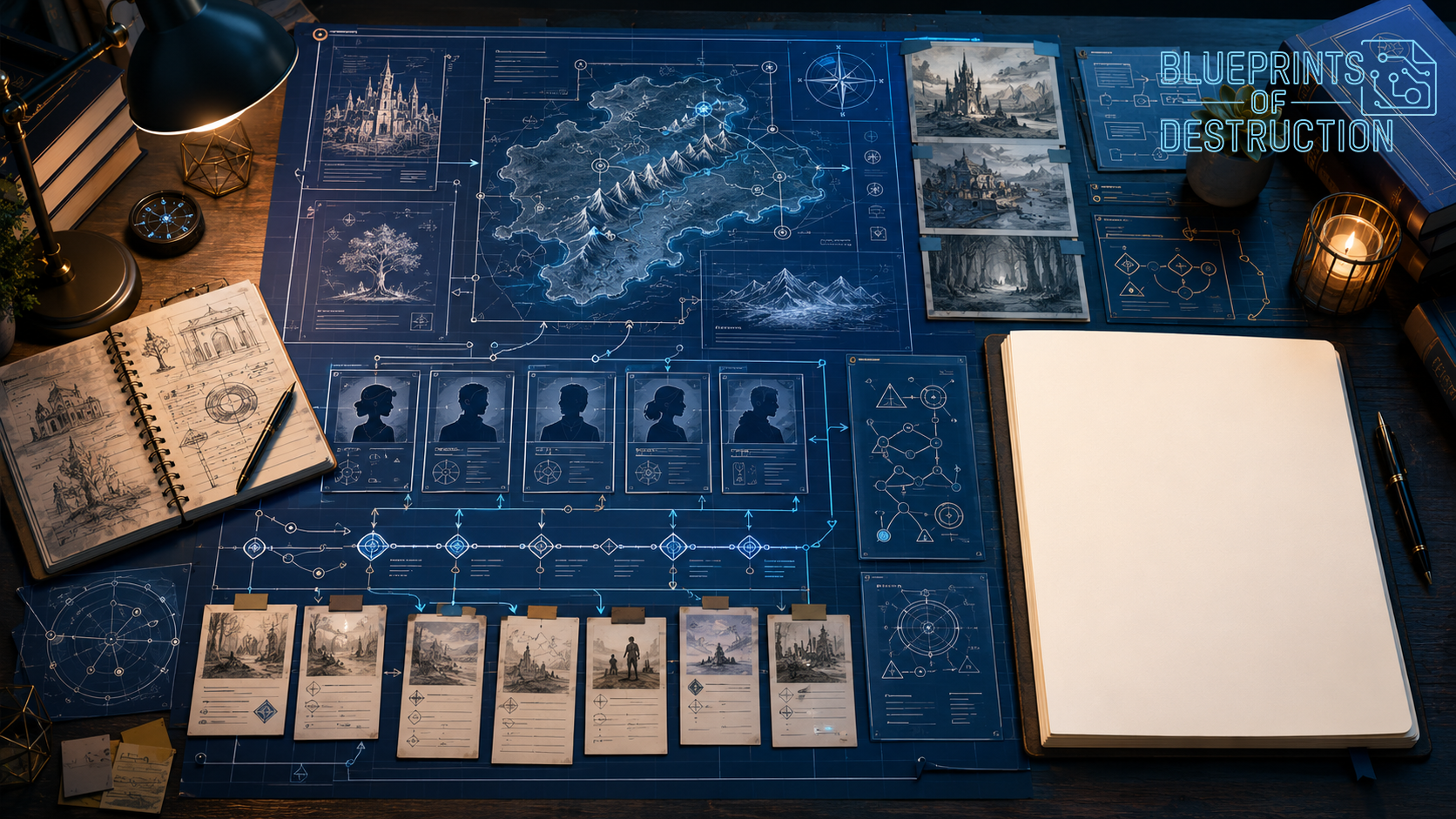
When Lucy approached her father, Frank, with a question about what to do before writing a story, it would be easy to minimize how much she had already put into the request. One could make the argument she barely opened the door of Conceptualization with only the first step of Inspiration, but that would hardly do that step justice. One of the more difficult steps in writing is the inspiration behind it. In fact, without a little inspiration, the story may never begin at all.
Lucy was young and unsure about what to do with the passion she had for her story. Perhaps you can see yourself in those feelings. She may not have known exactly how to move to the next step, but she knew she didn’t have to tackle it alone! She and Frank put their story-writing superpowers together, and PhranqenLu stepped onto the stage to help bring the story to life. Where ones mind ends and the other’s begins is anyone’s guess, but they are in it together, and they are in it for you.
The Difference Between Conceptualization and Planning
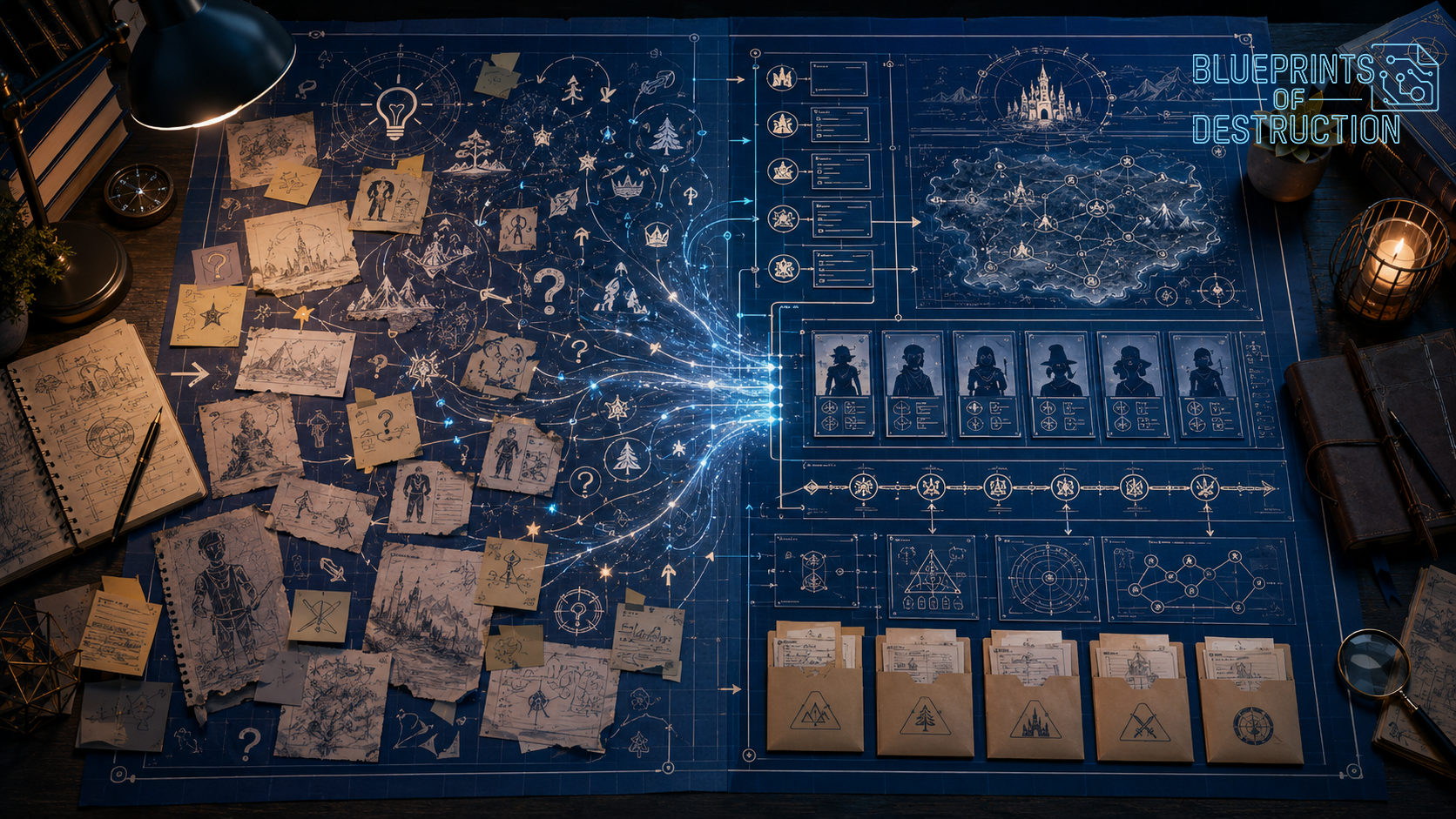
Depending on the scope of the work you are taking on when learning how to plan a story, Conceptualization may not be finished before the planning phase begins. In truth, it may never be completely finished. Planning the backdrop of the story will have long-lasting effects on the plot, timeline, characters, and the overall development of the world. It is hard to overstate how important this phase can be.
A story plan will not be fully developed through brainstorming alone. Brainstorming is part of Conceptualization, but the Planning phase asks you to organize those ideas into something more usable.
Conceptualization:
- Inspiration
- Brainstorming
- Research
Planning
Outline
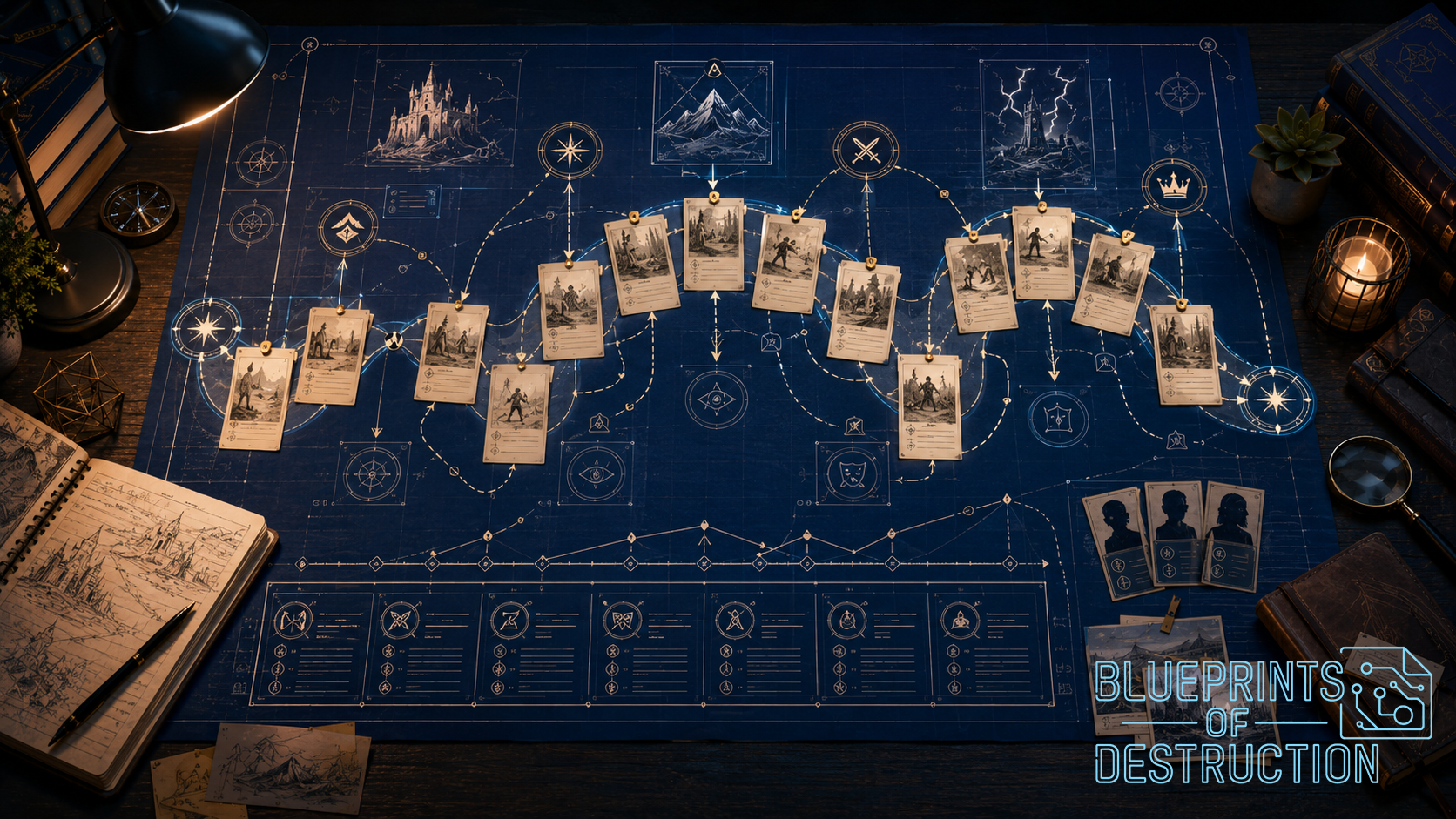
An outline is a roadmap for the story. It helps you organize key events, decide how the story will unfold, and determine whether the plot will be told chronologically or out of order. An outline can include major plot points, important settings, character turns, and thematic moments. It is one of the best places to begin when planning a story.
Worldbuilding
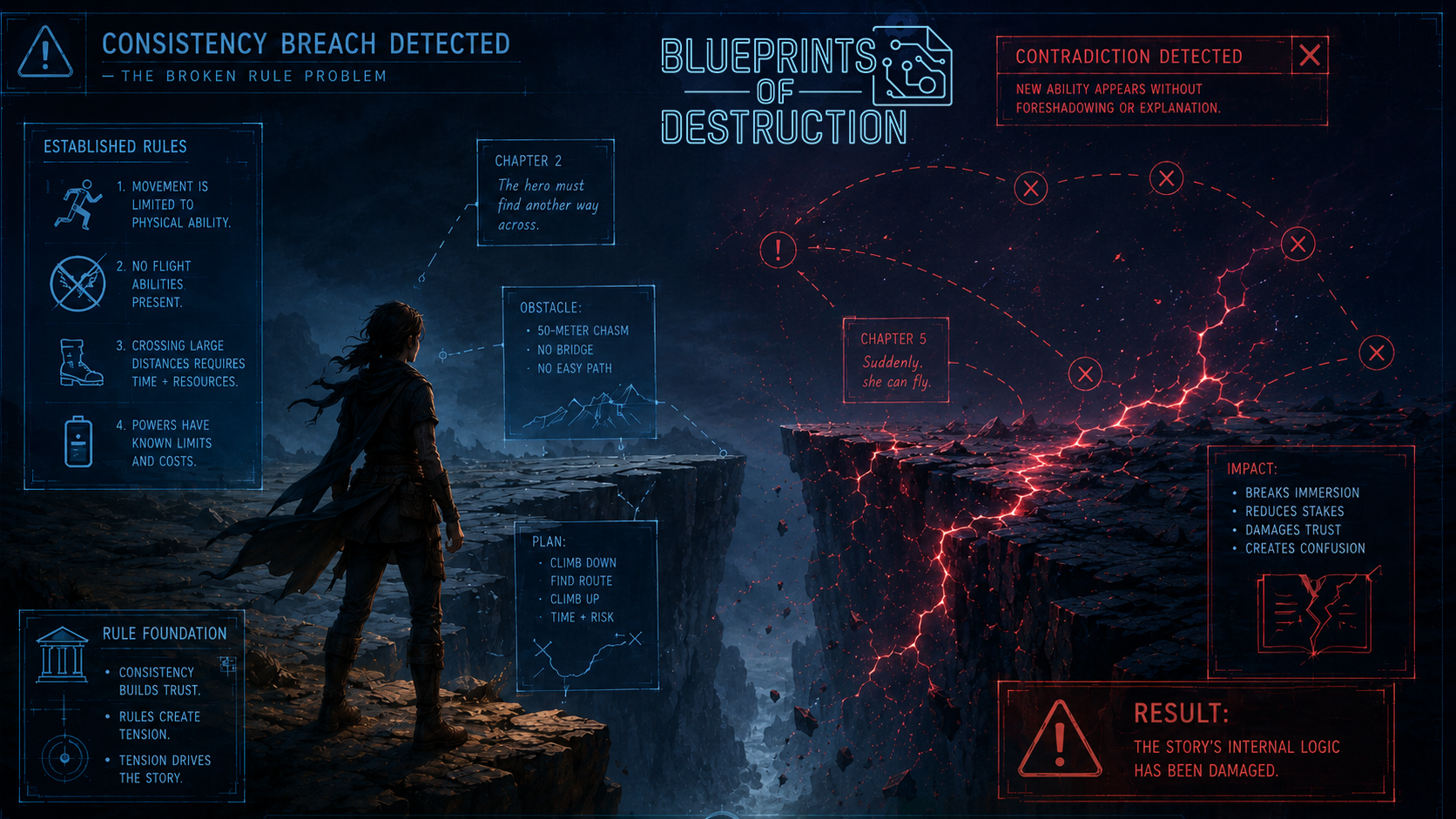
Worldbuilding can be one of the most important parts of planning a story. Even a modern real-world setting still needs to be established. Readers need to understand the rules, limits, and expectations of the world they are about to enter. Nothing is more frustrating than a convenient deviation from established rules the readers has already learned and accepted.
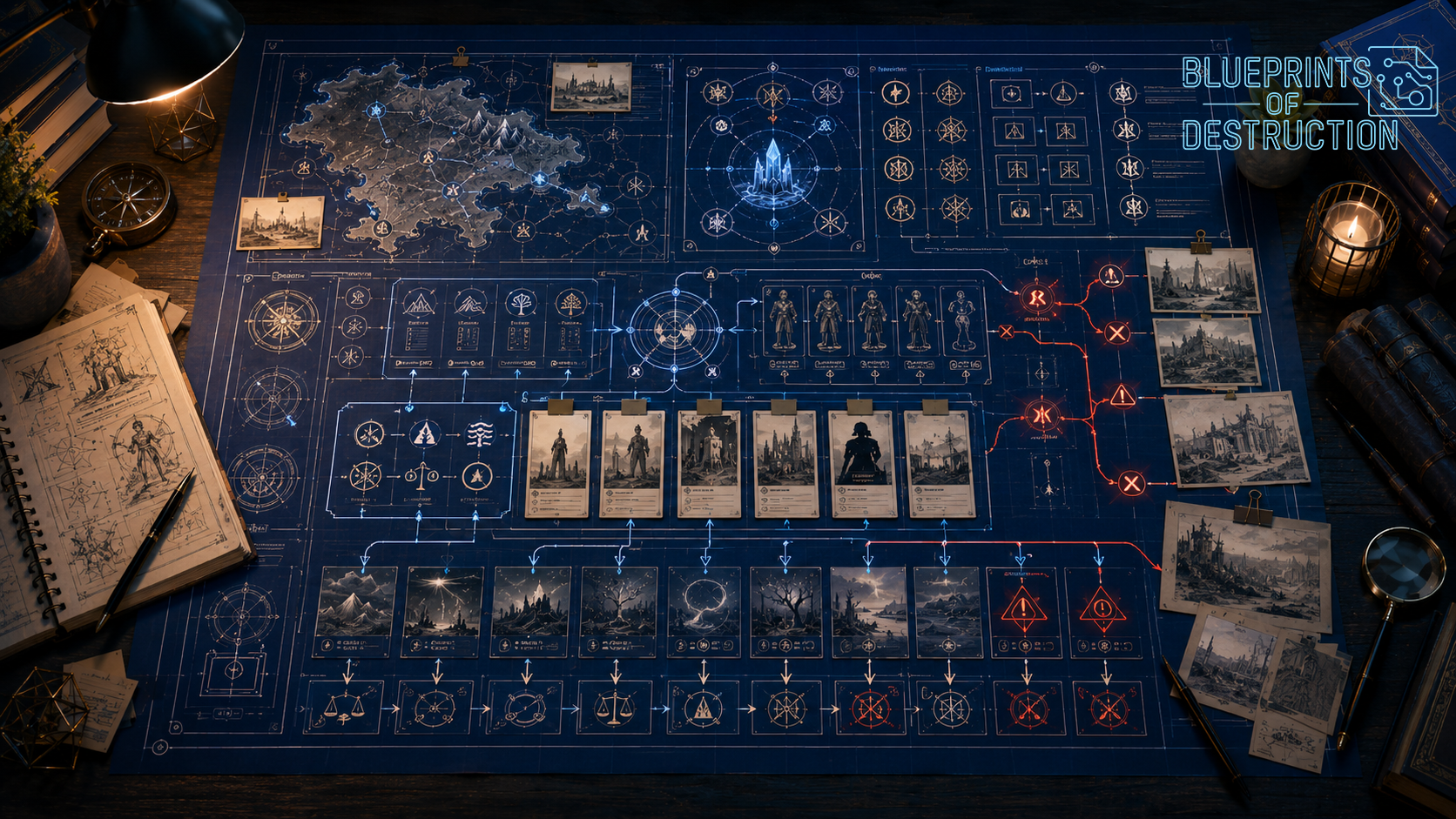
Take, for example, a fantasy story where a select group of characters can tap into a strange and powerful supernatural force. Everyone is bound by consistent limitations, only for the protagonist to suddenly perform some unexpected, unexplained, and never-again-mentioned supernatural feat. Even in fantasy, inconsistencies like this can break the reader's sense of believability.
How to Plan Your Story Through Worldbuilding
Establish the Basics
Before you get too far into who the characters are or what they are doing, it is important to set the stage. You may have a clear historical timeframe in mind as the story unfolds, but your audience cannot read your mind. In addition to that, if your story is set in a familiar era, with unusual changes, that familiarity of the era may confuse the reader unless you explain the differences. Perhaps your story takes place in a steampunk version of the 1930s. Make sure your audience understands that.
Planning a story is about more than deciding what planet, city, or time period the story takes place in. Those details matter, but the foundation runs deeper than that. You may need to understand the geography, climate, physical environment, social norms, technology level, economy, and government before diving too far into the story itself. You may already have an outline, but the backdrop can still change how those events unfold. A consistent world helps the reader stay immersed.
Define the Rules
Once you have a good idea of when and where your story unfolds, you need to make some decisions. It matters less whether your story uses magic, the supernatural, or advanced technology. What matters most is that those elements remain true to the storyline and follow their own governing rules. You don't want your protagonist to struggle to cross a fifty-meter chasm in chapter two, only to reveal she can fly in chapter five, unless that revelation is intentionally part of a character arc your have already planned.
Create a Timeline
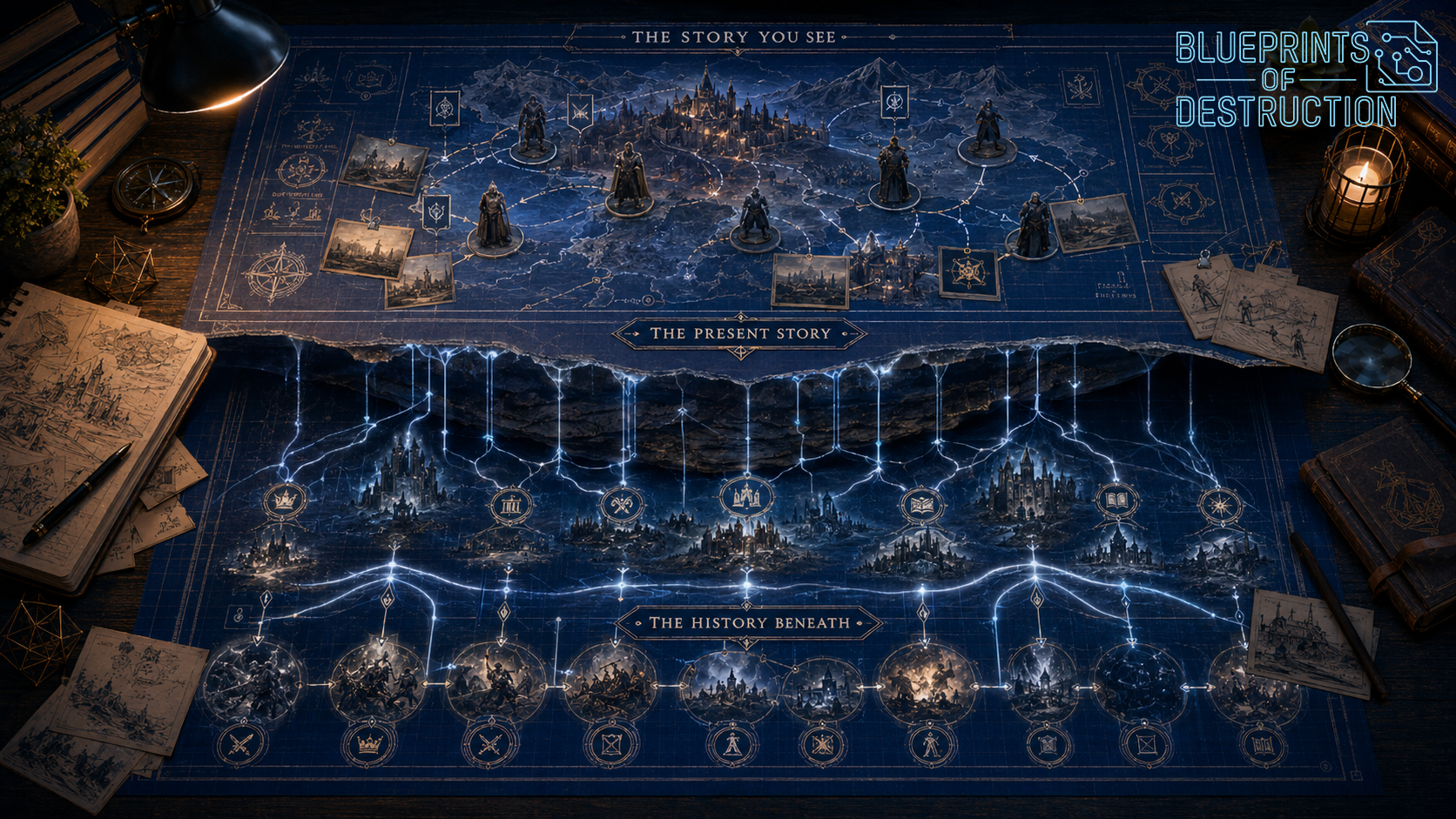
Don't confuse a timeline with developing an outline. The outline is specific to the story you are tilling, the timeline gives historical context to what led up to this moment. It may also give you a sense of where the story might go to next. Past events often explain why the story is moving in a certain direction and why characters respond the way they do.
Map Out the Setting
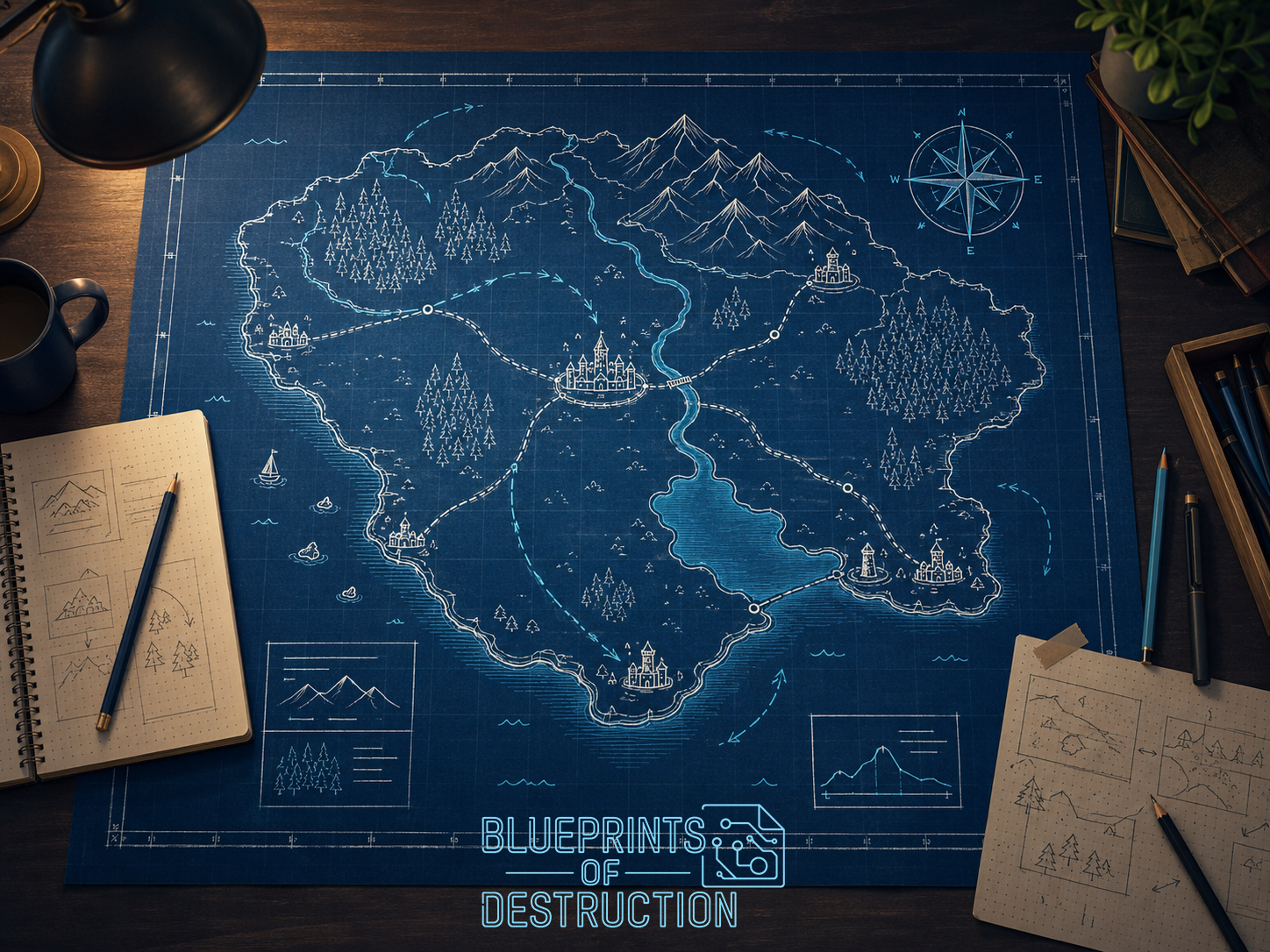
In the early steps of planning a story, mapping out the setting is not always required. Still, sketching a simple map of the world or region can help. You do not have to be an artist to mark key locations, landmarks, bodies of water, cities, or major obstacles. A map can help you keep travel distances and timing consistent.
A story where a difficult journey takes the entire first act to travel through only for everyone to return the same way in a single sentence can feel confusing and unresolved.
Develop Culture and Society
As you peel back the layers of how the stage is set for your story, you may find yourself placing specific events and characters into the world you are building. Make sure this landscape includes cultures, social habits, holidays, languages, cuisine, social groups, and factions.
What customs shape each region? What does the general population value? What religions, laws, and social hierarchies are present? These questions can help you understand what is happening behind the scenes before your readers start asking those questions themselves.
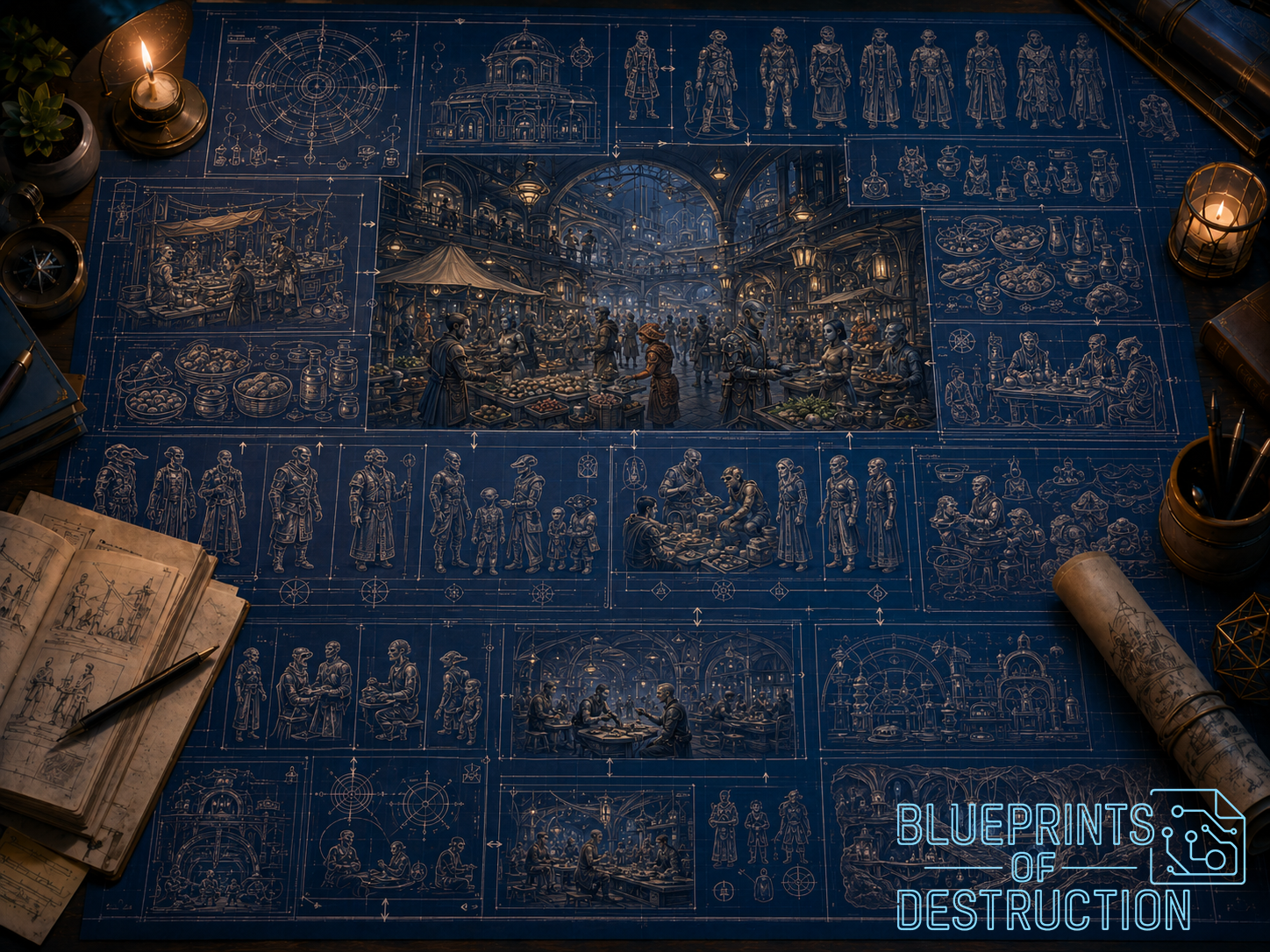
Developing culture and society is about building the larger structure by expanding the day-to-day details. By describing ordinary routines you can show occupations, social expectations, and how characters interact with the world. When readers understand business-as-usual, they can better recognize when something unusual happens. If they do not know what to expect, they may not fully realize when the story has deviated from the norm.
Decide On Magic or Technology
It is important to decide whether magic, the supernatural, or technology plays a role in your story. It is just as important to determine the limitations, sources, consequences, and social effects of those elements. As mentioned earlier, consistency matters. One major mistake can damage an otherwise exciting adventure. It a convenient solutions violates the rules you have already established, readers may stop trusting the story.
When planning a story, it is helpful to create clear criteria and parameters from the beginning. Be consistently consistent. As you build your world, it is a good idea to stop from time to time and review your rules, systems, and story elements for coherence. Contradictions can damage an otherwise fantastic story. Even one major inconsistency can disrupt immersion and push the reader away.
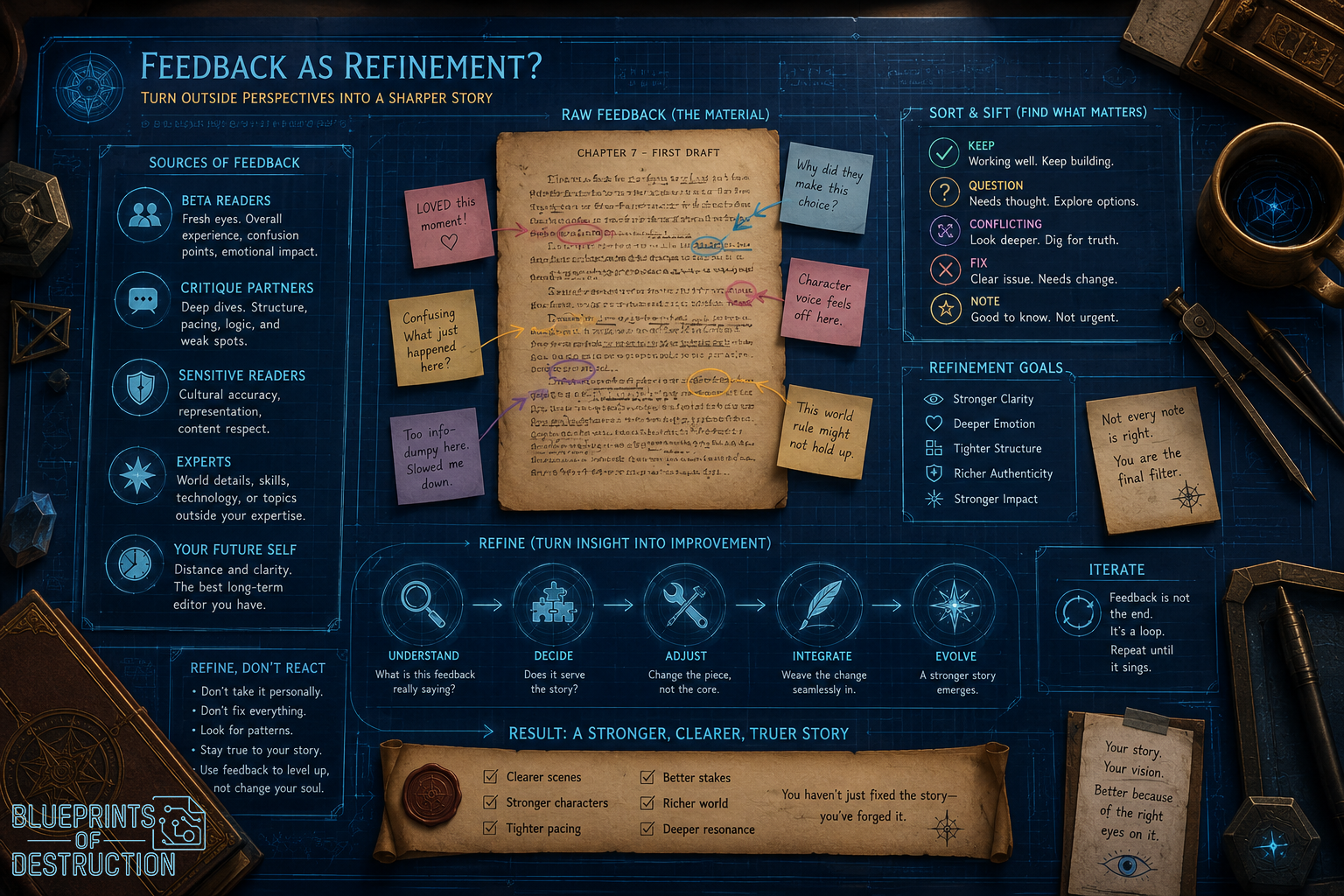
Seek Feedback
Be willing to invite others to look at your story elements. Don't just ask for praise; be open to criticism, too. Readers will form opinions about your story whether they share them or not, so it is better to hear honest feedback early. A thoughtful reader may notice confusing areas, missing details, or small changes that could make your story stronger.
Revise the Plan as Your Story Grows
Use feedback as a chance to dig deeper, refine, adjust, and expand your worldbuilding. Others may notice things you assumed they understood, even though they forgot to explain them. Their questions can help you fill gaps, clarify confusing ideas, address inconsistencies, and strengthen underdeveloped areas.
A reader may even inspire new directions for the story. Let others love your work enough to help you, and don't view every suggestion as a personal attack. You do not have to make every recommended change, but it is worth considering why the recommendation was made.
Once your basic plan is in place, you can move into character profiles, deeper research, drafting, revision, and eventually editing. Story planning does not end the creative process. It gives the rest of the process a stronger place to stand.
What Comes After Planning?
After you have a foundation for your story, you can begin developing character profiles, drafting scenes, shaping conflict, refining your setting, and revising your ideas. You do not need every answer before you start writing, but a clear plan gives you a stronger beginning. The more you understand about your story's foundation, the easer it it to write a narrative on top of it!
