Opening Scene Structure for Beginners
Any scene in a story has the same basic ingredients. This is no different for an opening scene.
Scene = Character + Goal + Pressure + Result
An opening scene has to accomplish more because the reader does not know anything about the world or the story yet. A standard scene works well inside a story the reader already understands.
When crafting a scene in a part of the book that is deeper into the story, the reader probably already understands the main character, the world, the conflict, the tone, and what is at stake. An opening scene has to create that understanding for the first time.
The Five Functions of an Opening Scene
Function 1. Teaching the Reader
The first scene tells the reader what kind of story they are going into. It communicates whether the story is grounded, magical, futuristic, mysterious, emotional, or symbolic. It lets them know if it is going to be serious, funny, strange, dark, romantic, or adventurous.
If the first scene opens with a quiet argument among friends, the story is going to be very different than one with a spaceship breaking apart above a burning planet.
Function 2. Creating a Bond
An opening scene introduces the reader to someone or something they can attach to. This does not mean that the character needs to be likable. But the scene should give the reader a reason to feel concerned, curious, amused, impressed, disturbed, or emotionally interested.
The opening scene should give the reader a reason to stay invested.
There are many ways to accomplish this. It might be through:
- A character with a problem
- A strange situation
- A powerful question
- Danger
- Mystery
- A strong emotional moment
- An interesting world
Function 3. Establishing Normal
Many openings show the reader what is "normal" before the story disrupts it. This does not need to be boring, it only needs to give the reader a starting image.
In a fantasy story, normal might be a village preparing for market day, while using mythical creatures as everyday beasts of burden.
In a dystopian story, normal might be a citizen pretending not to notice surveillance drones.
In a romance, normal might be a lonely character insisting that they are fine.
In a thriller, normal might be a detective reviewing a case that has gone cold.
The opening lets the reader understand the world before events start breaking it.
Function 4. Creating the First Question
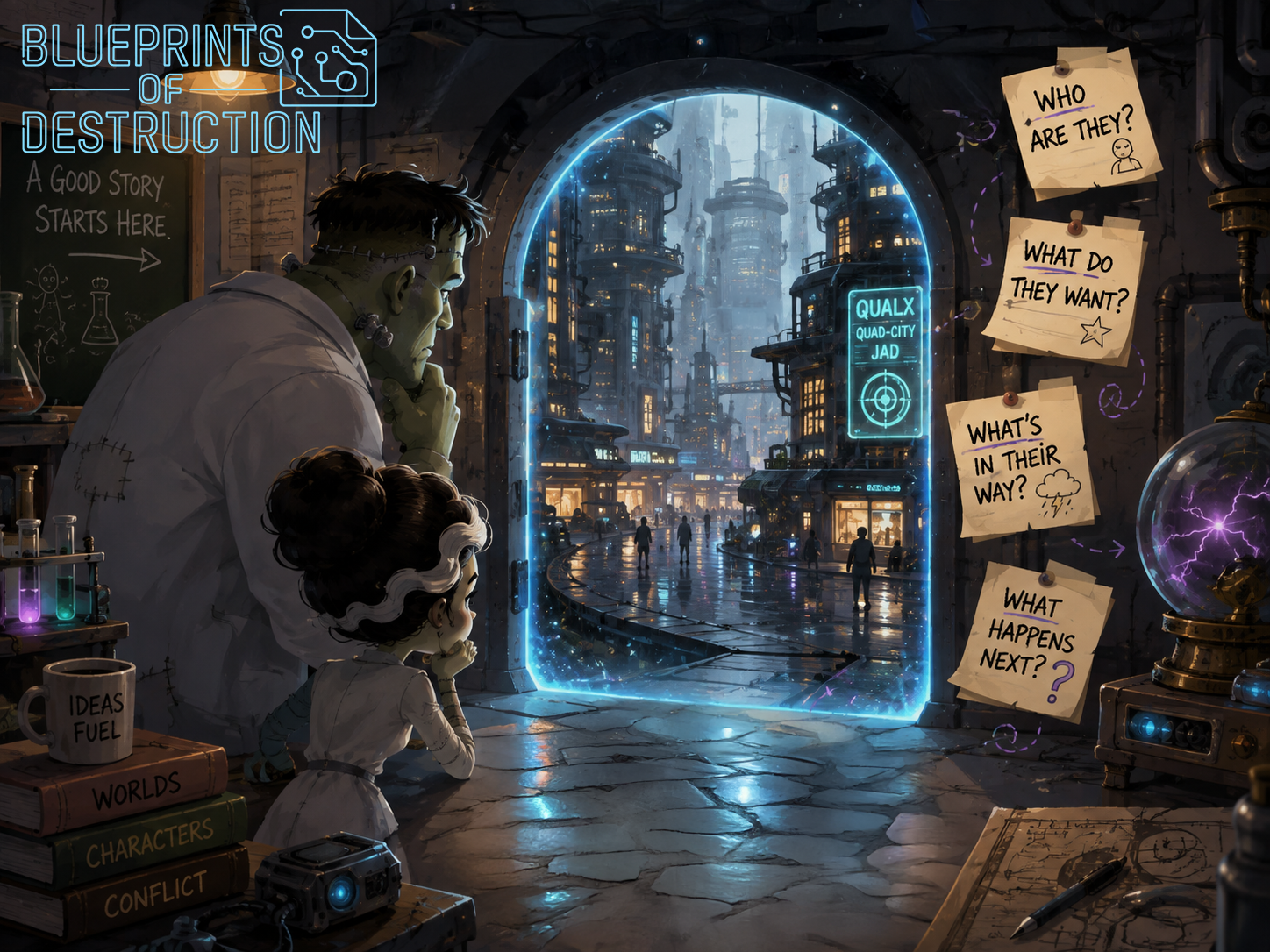
An opening scene is what usually creates the first question. A standard scene may answer, complicate, or add to the questions the reader now has.
This question might be "Who killed the king?" or "Why does this character refuse to go home?"
The reader does not need to understand the whole plot yet, but they should feel drawn to learn what it might be.
Function 5. Setting Up Conflict
The first conflict the reader encounters does not need to be the main conflict of the story, but it should suggest what kind of story the reader is entering.
A story about trust might open with betrayal, a lie, or a character refusing to help.
A story about survival might open with scarcity, danger, or someone making a difficult choice.
A story about identity might open with a character pretending to be someone they are not.
A story about rebellion might open with a small act of disobedience.
An opening scene can act like a tiny version of the larger story's pressure.
How Opening Scenes and Standard Scenes Differ
An opening scene asks:
"Why should the reader care?"
A standard scene usually asks:
"What happens next?"
The opening scene is an invitation. It invites the reader into the character's life and world. It gets them accustomed to the tone and conflict. It encourages them to ask questions and invest in the emotional promise the story is offering.
A standard scene, on the other hand, engages the reader with familiarity and beckons them deeper into the story they are now invested in. A standard scene encourages the reader to dig deeper into the story they are becoming interested in.
What an Opening Scene Should Not Do
A big mistake when writing the opening scene, especially for beginners, is trying to explain the entire world, a character's full history, all the rules, or the main conflict. An opening scene should not try to lay everything out for the reader to see all at once.
The reader usually does not need all the information in one big dump. Too much information upfront can end up doing the opposite of what you, as the author are trying to accomplish. Instead of pulling the reader toward the story, you run the risk of pushing them away.
A good opening gives the reader a doorway. They only need enough to get them interested. Let the reader open the door and dig deeper into your world.
An opening scene should show a character in a meaningful situation where something is already slightly wrong, incomplete, unstable, or about to change. This is what gives the opening scene motion without requiring the writer to start with explosions, battles, or intense drama.
A Simple Checklist for Opening Scenes
- Who or what is the reader being asked to care about?
- What kind of story does this opening promise?
- What feels unstable, strange, tense, missing, or unfinished?
- What question pulls the reader forward?
- What changes by the end of the scene, even if the change is small?
- What is understood now (by the character or reader) that was not understood before?
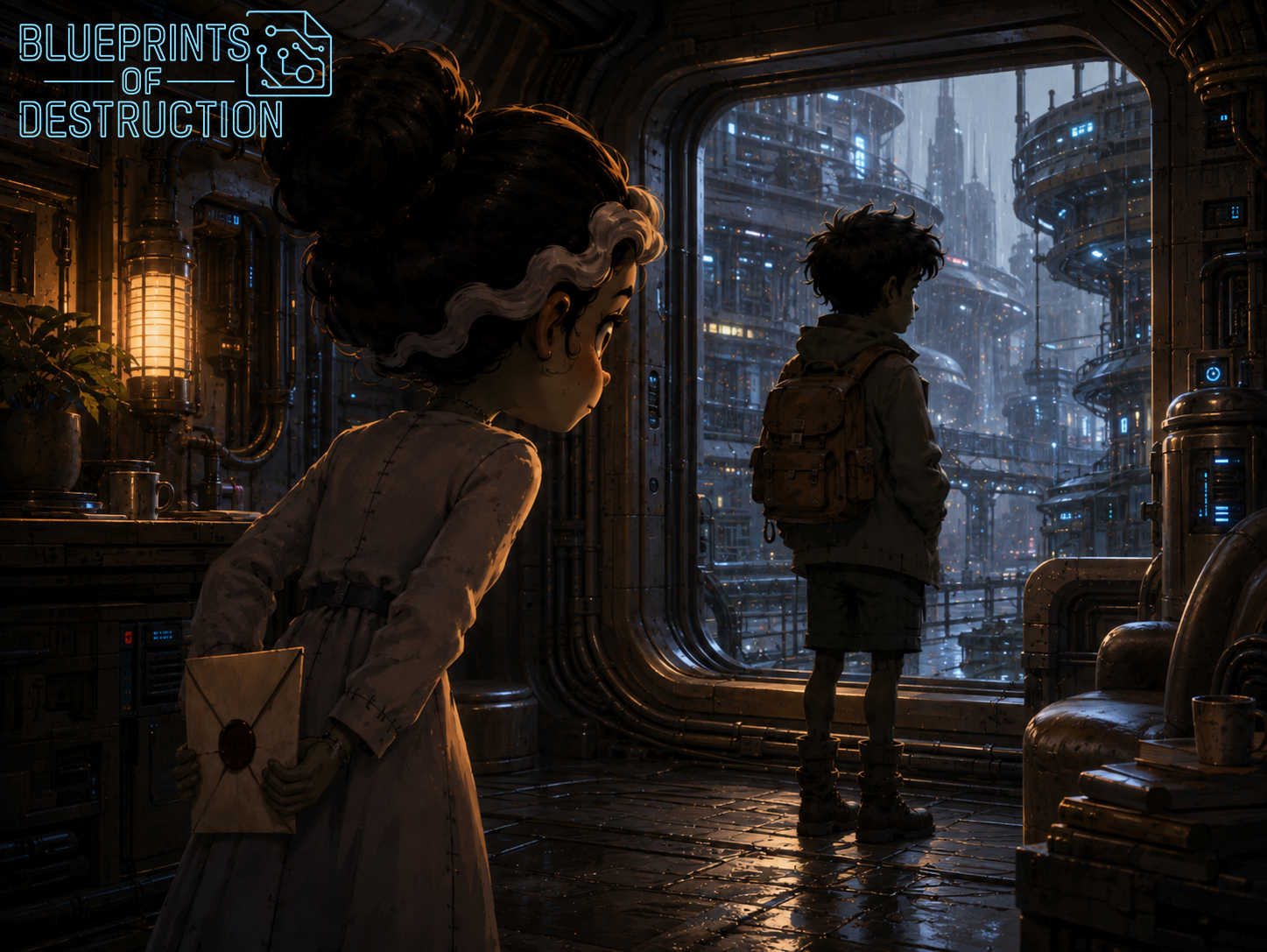
Opening scenes are still scenes, but they carry more responsibility. A normal scene moves the story forward. It is the invitation for the reader to engage with your world.
It says:
This is the kind of story you are entering.
These are the forces bearing down on the characters.
Here is the reason to keep reading.
Think of your opening scene like inviting someone into a new house. You do not need to show them every room right away, to explain every drawer, key, and secret hidden passage. You just need to open the door and make them curious enough to come inside.
Let the reader meet someone interesting in the home of your world. Let something feel a little strange. Let one small problem begin to move.
Go write an invitation to your own reader! Keep it simple: one character, one goal, one problem, and one reason to turn the page.
