Find the Right Flat Character Arc for Your Story
A flat character arc is an arc where the main character remains largely the same. Characters with a flat arc act as a catalyst, a moral anchor, or a stabilizing force. This is very different from a character who is simply flat.
A flat character is usually the result of weak writing, whereas a flat character arc can be a useful tool. Flat characters can be the byproduct of missed or overlooked components during character development. Flat character arcs, on the other hand, are carefully crafted with intentional design.
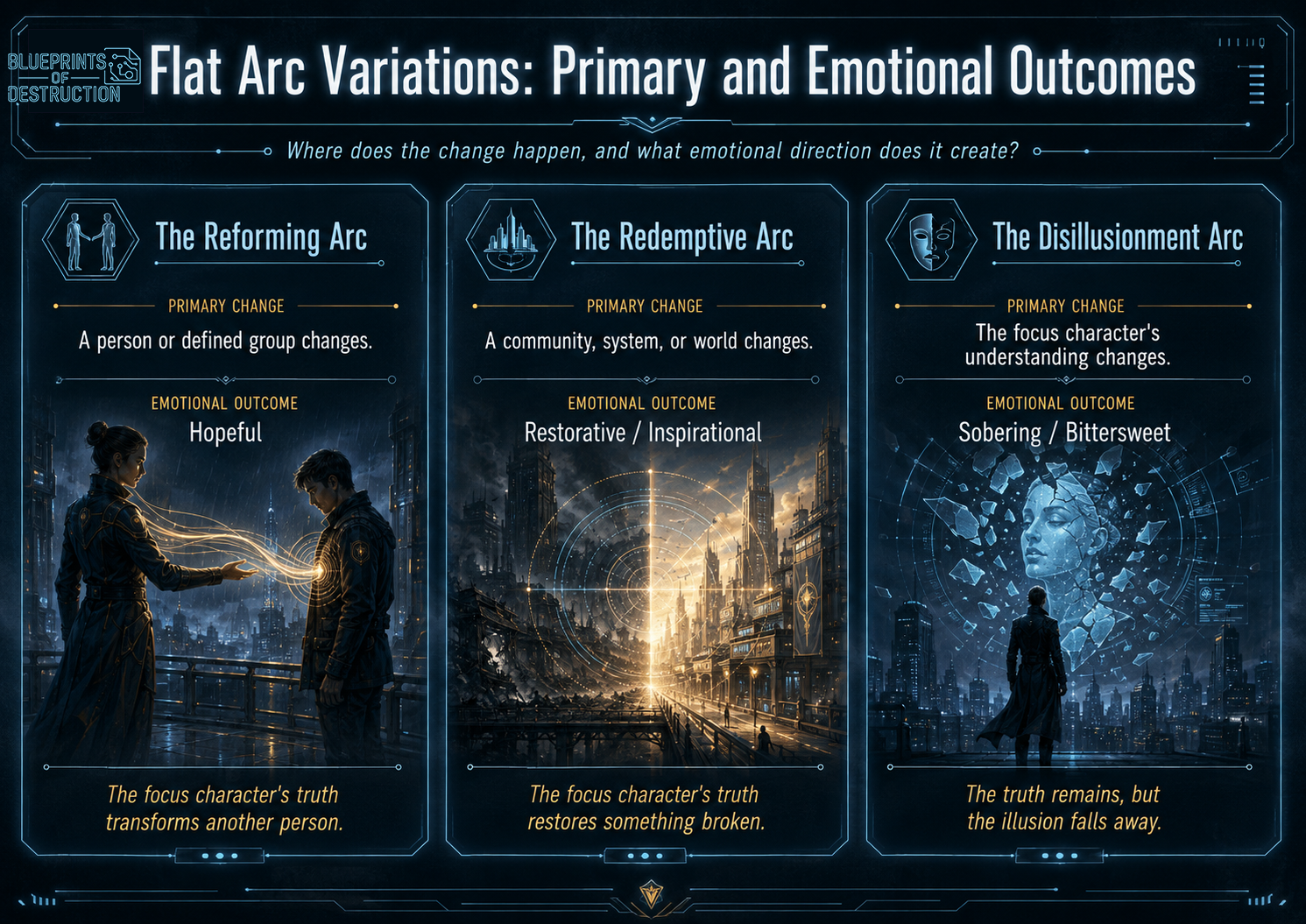
The flat arc has three variations: the hopeful, the inspirational, and the disillusioned.
A flat arc can take different forms depending on where the change occurs.
Flat Arc Quick Summary
The Reforming Arc
This is the hopeful variation of the flat arc. A reforming arc occurs when the focus character already holds the truth behind the storyline's theme. Their commitment to that truth changes another character, group, or institution within the story. The changed character is often a major supporting presence within the story.
This is where:
- The character with the reforming arc believes something true from the beginning.
- Another character begins with a competing perspective.
- The story's emotional journey focuses on the second character's transformation.
- The focus character inspires, challenges, or confronts the changing character.

Examples of the reforming character arc are:
- Robin Hood as he reforms the oppressed villagers and rebels
- Odysseus as he influences his crew
The reforming arc works well when the supporting cast needs to experience growth. The reforming arc also helps the focus character serve as a symbol, anchor, or catalyst. It can be especially powerful in stories about mentorship, leadership, or moral clarity.
The Redemptive Arc
This is the inspirational variant of the flat arc. It is similar to a reforming arc, but instead of reforming others, the focus character's unchanging truth redeems a broken world, or part of it.
This is where:
- The focus character enters a corrupt, cynical, or damaged environment.
- Their belief system is tested, but never compromised.
- Their steadfastness restores hope, justice, or meaning to the world.

Examples of the redemptive arc are:
- King Arthur, as he brings order and justice to a chaotic Britain.
- Moses as he guides a lost nation with unchanging faith.
The redemptive arc is perfect for stories where the character is a light in the darkness. Perfect for dystopias, sci-fi societies, and moral fables, it has the ability to create deeply emotional endings. The redemptive arc allows the hero to save others without changing themselves.
The difference between the reforming arc and the redemptive arc is that the reforming arc changes people, while the redemptive arc changes systems or societies.
The Disillusionment Arc
This is the darkest variation of the flat arc. The character's worldview stays intact, but instead of improving the world, they realize the world is much worse than they initially believed.
The disillusionment arc is different from a negative character arc because the character still holds the same truth they did at the beginning without changing their core truth. A negative character arc, on the other hand, is where the character abandons the truth. The disillusionment arc is unique because the focus character's core truth remains unchanged, even though their understanding of the world becomes more painful, complex, or complete,

In these cases:
- The focus character begins with an idealistic truth.
- They are confronted with corruption, hypocrisy, or betrayal.
- Their truth remains intact, but their naivete, misplaced confidence, or expectation of an easy victory disappears.
- The result is they become hardened, wise, or emotionally withdrawn.
Examples of the disillusionment arc are:
- Sherlock Holmes: The world becomes bleaker, but he stays rational.
- Ancient tragic heroes who learn the truth of fate, gods, or society.
This works particularly well for noir, political dramas, tragedy, or stories in morally gray worlds. It has the ability to give a story weight and seriousness without altering the character's core belief. The disillusionment arc allows for the author to explore corruption, loss of innocence, or systemic failure.
In a disillusionment arc, the focus character's convictions remain intact, but their understanding of reality becomes more complex, nuanced, painful, or sobering.
Flat Arcs Inside the Story Framework
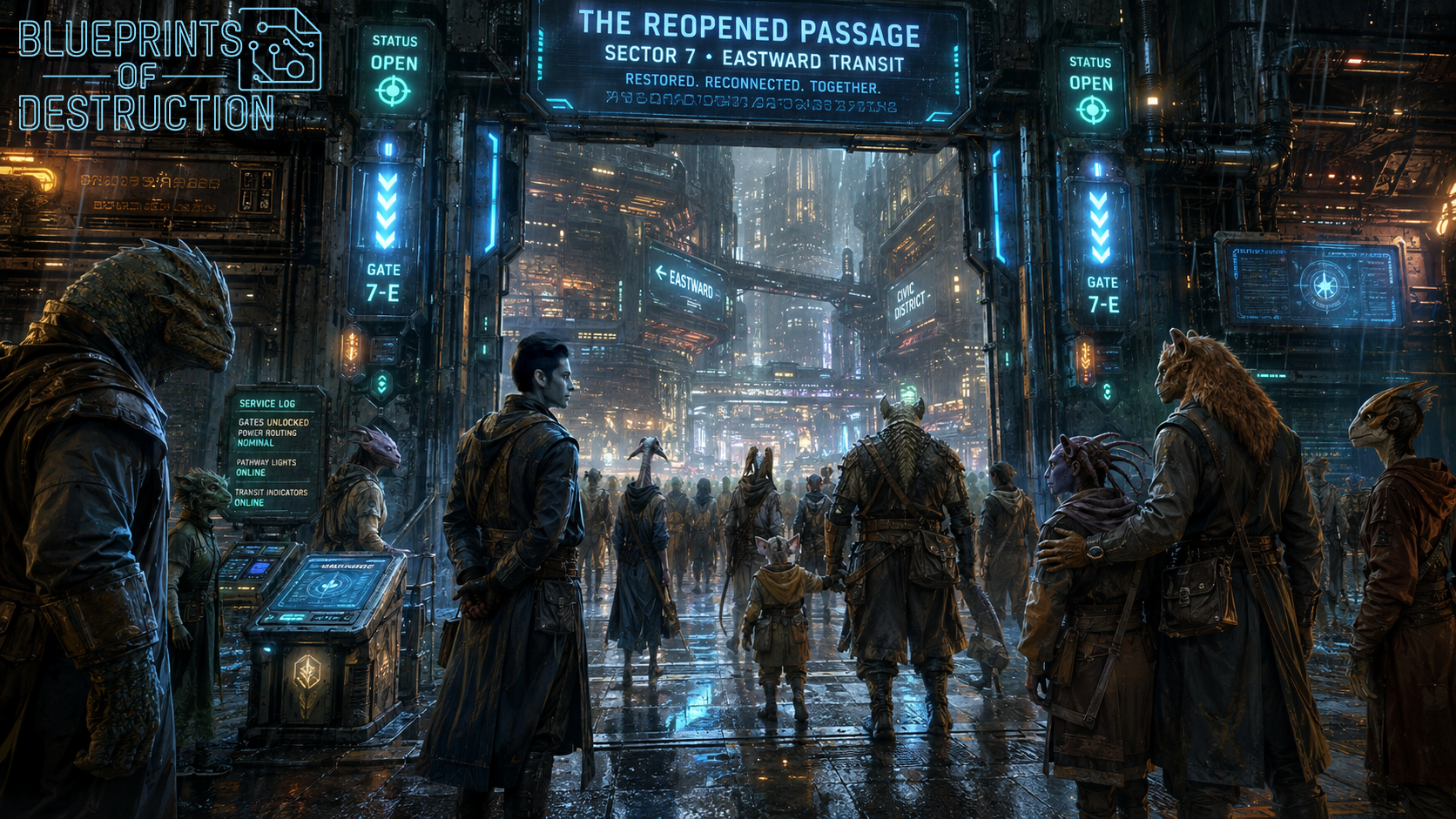
Each variant of the flat arc shares three main things:
- The focus character starts with the Truth.
- Their core worldview does not change.
- Their presence creates change elsewhere.
The difference between these arcs comes down to one key question:
Where does the change happen?
The Reforming Arc:
A person changes. The focus character transforms someone else.

The Redemptive Arc:
A system or world changes. The focus character restores or remedies something broken.
The Disillusionment Arc:
The focus character's perception changes. They lose an illusion about the world without abandoning the truth they already hold.
Choosing the Correct Flat Arc for Your Story
When looking for the correct flat arc for your story, if you decide to use one, start by asking:
"Where do I want the change to happen?"
Still struggling with the flat character arc that is right for your story? Visit the Flat Arc Tool for even more clarity!