Character Development for Beginners
A good character is not built by making them perfect. A good character is built by giving them desires, flaws, pressures, choices, and change.
Characters Are More Than Meets the Eye
Many new writers begin developing a character by deciding what they look like, what their name is, or perhaps what role they play in the story. These details are important, but they are not the heart of true character development.
When you understand what a character wants, what they fear, what they believe, and how they respond under pressure, true development actually begins.
What is Character Development?
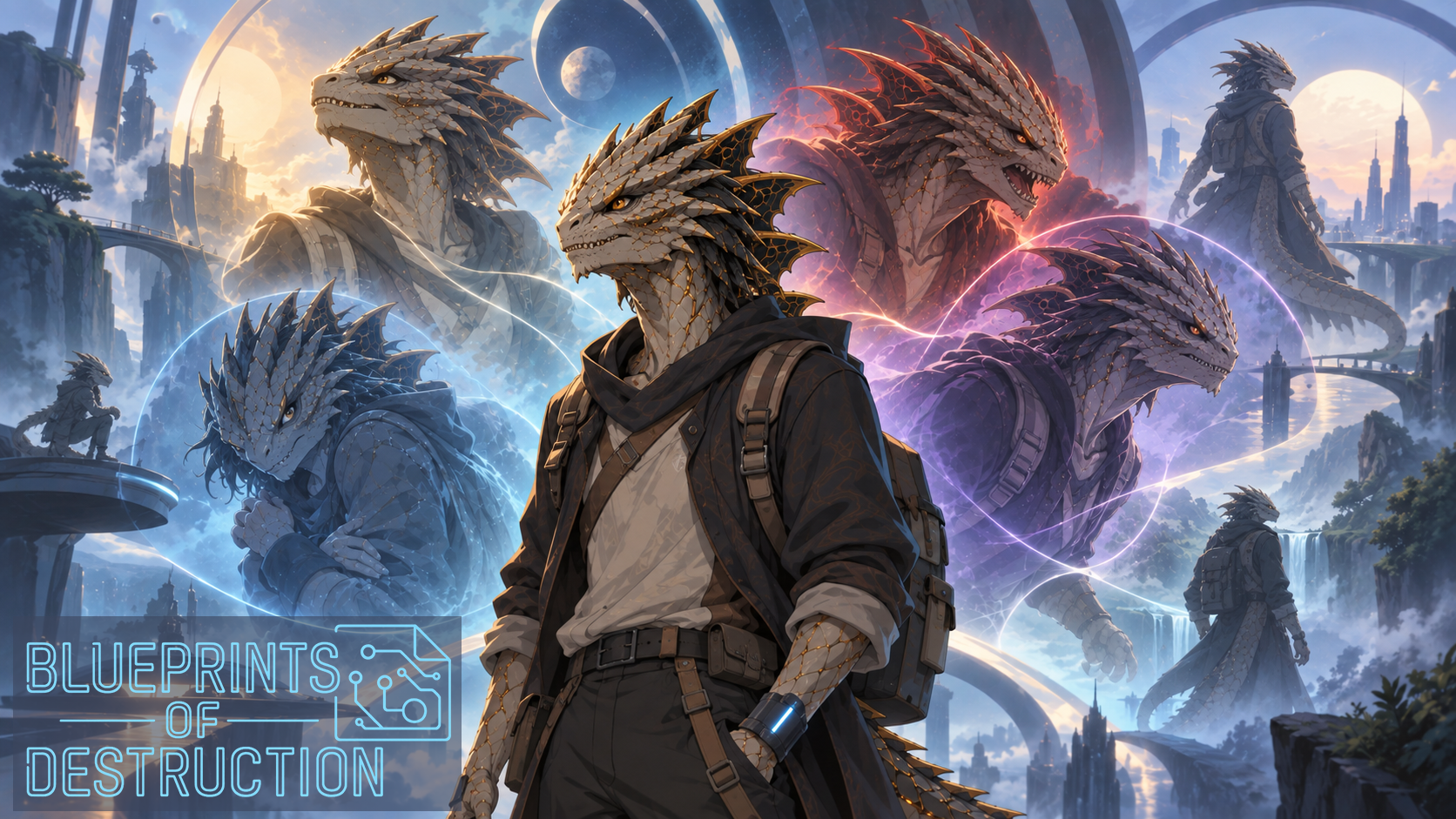
Character development is discovering how a character behaves, struggles, chooses, and changes over time. This is not the same thing as character creation. Character creation is where you build the basic details of a character, such as their name, appearance, role, background, or place in the story. Character development goes deeper. It is the process of shaping a fictional individual so they feel believable, active, and meaningful inside a story.
Five Basic Character Elements
Character development includes understanding who a character is at the beginning of the story, what they want, what they struggle with, and how the events of the story affect them.
For beginners, it can help to start with five simple elements: desire, fear, flaw, pressure, and choice. These elements do not need to be complicated. They are simple questions that help you understand how your character will act when the story begins to test them.
Desire
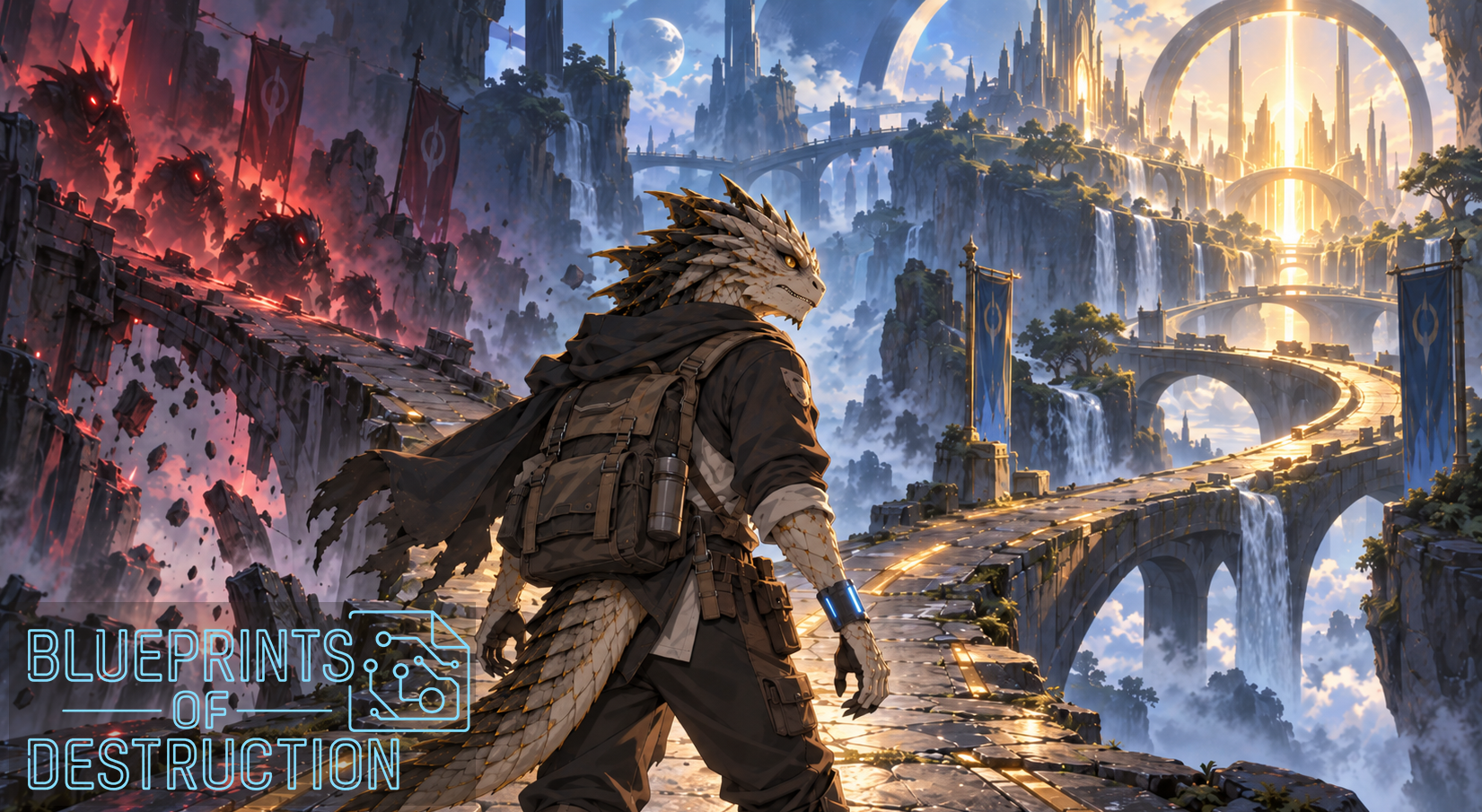
What does this character want?
This desire can be big or small. Your character may want to save a kingdom, survive a dangerous city, prove themselves, or simply be left alone.
Fear
What is this character afraid of losing, facing, becoming, or admitting?
Fear is what gives your character emotional weight.
Flaw
What about this character that can potentially get in his or her own way?
A flaw does not need to make your character evil. It can be pride, people-pleasing, impulsiveness, dishonesty, or self-doubt.
Pressure
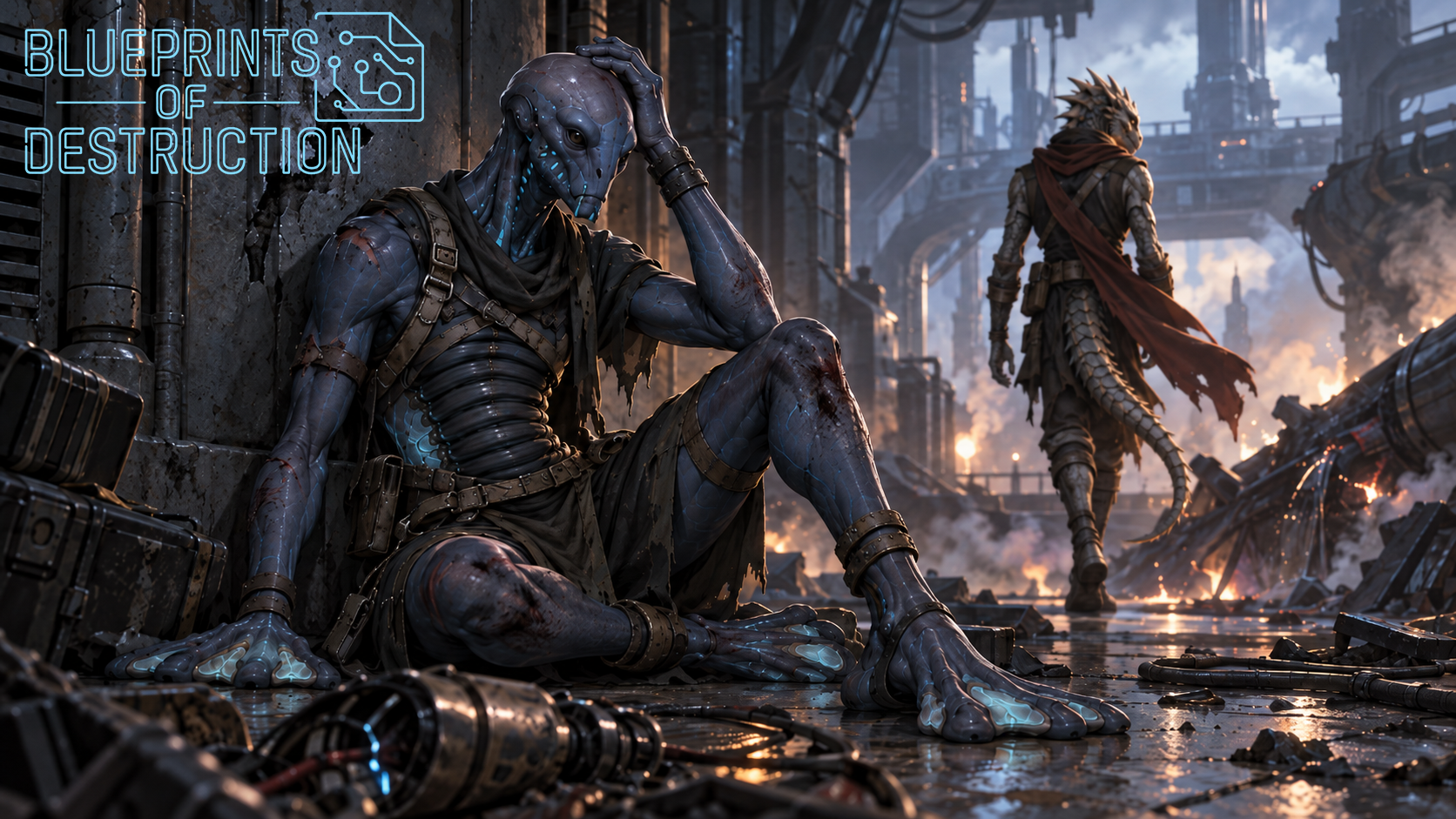
What forces this character to act?
A character becomes more interesting when the story puts them in situations where they must take action. Pressure forces the character to stop thinking about what they might do and actually make a decision.
Choice
What does this character decide when the pressure becomes too much?
Choice is what makes character visible. A reader learns who someone is by watching what they do when something matters.
Trying to Make Characters Too Perfect
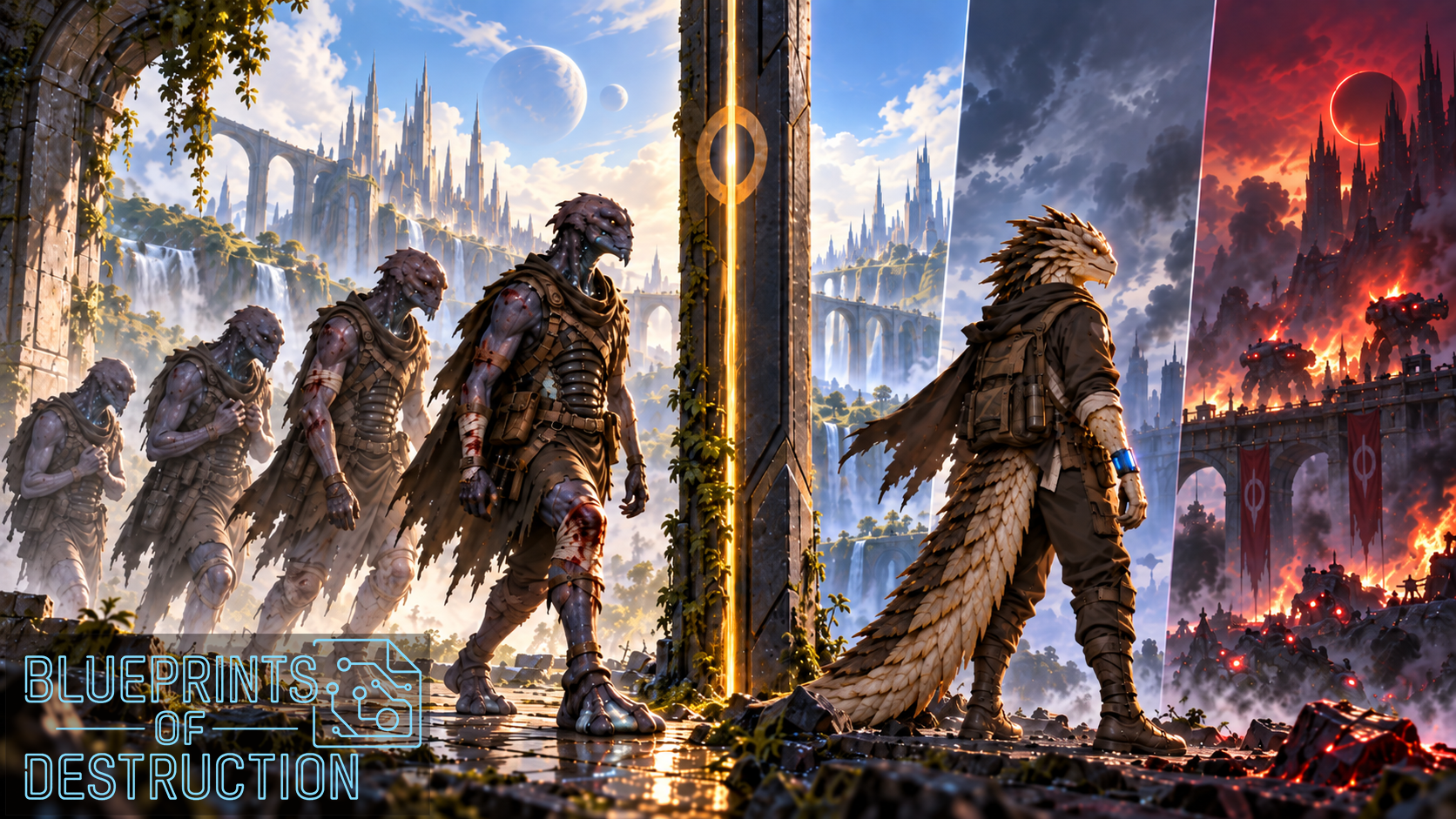
A perfect character often feels unrealistic and unrelatable. Readers often connect with characters because they recognize the struggle behind the failure.
A strong character can still be brave and afraid.
A wise character can still make a foolish decision.
A heroic character can still be tempted.
A loving character can still say the wrong thing.
People aren't perfect. If you are trying to write a realistic story, your characters should not be perfect either.
Static Characters and Changing Characters
A changing character is affected by the story on the inside. They may learn, break, heal, mature, worsen, or transform.
A static character does not change much internally. Instead, they often hold firm while the world around them changes. Both types of characters can work, as long as the writer understands what purpose they serve.
A redemption arc shows a character moving from worse to better.
A corruption arc shows a character moving from better to worse.
A flat arc shows a character holding firm while the world around them changes.
How Character and Plot Work Together
Plot is not just a list of events. Plot is what happens when a character wants something, faces resistance, and makes choices under pressure.
A weak plot often feels random because events do not challenge the character. A weak character often feels flat because the plot does not force them to reveal anything.
A strong story uses plot to expose character.
Using Randomization for Character Development
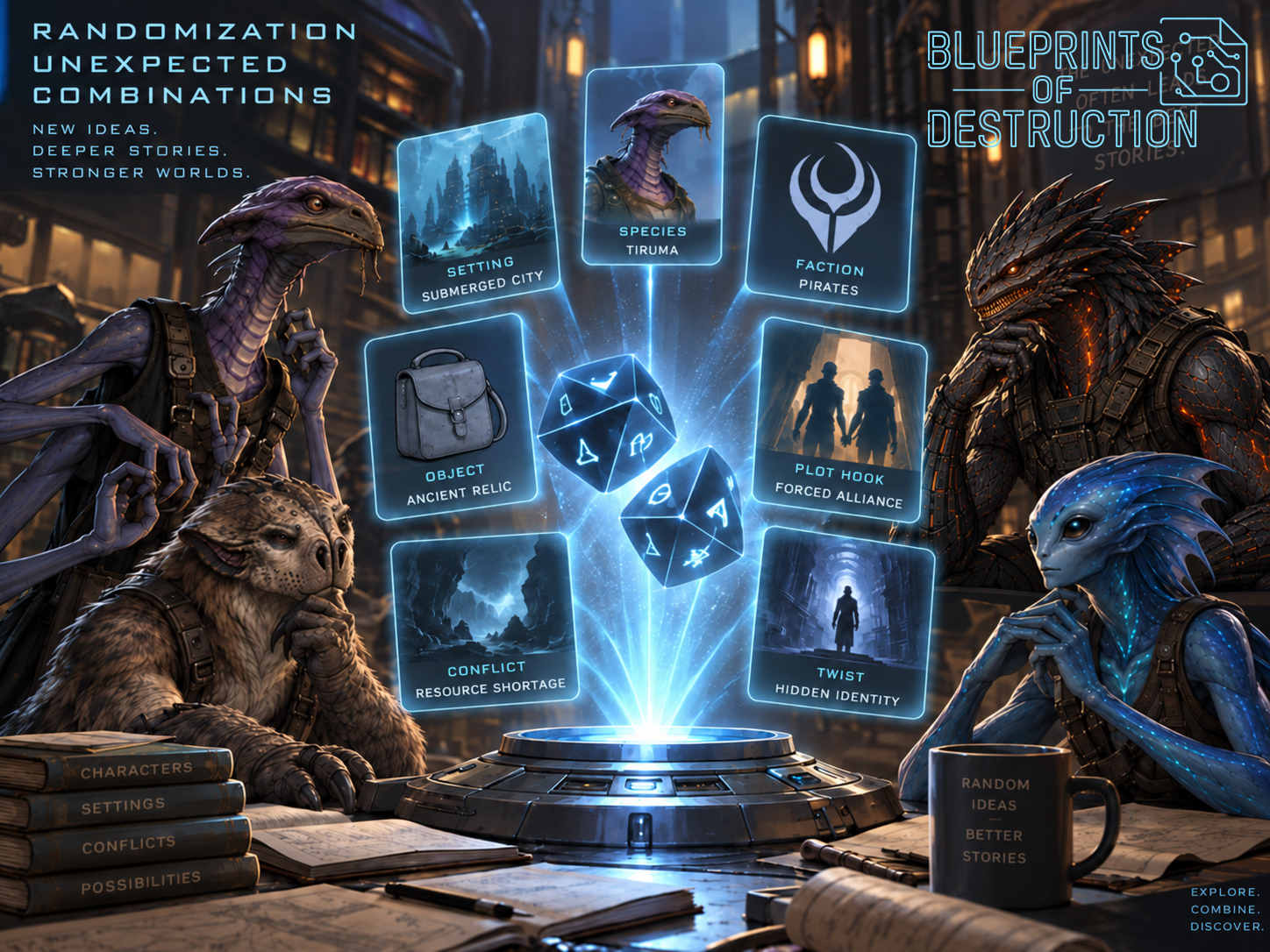
Randomization can help writers discover character possibilities they would not have chosen on their own. Randomization is not about letting a tool do all the writing for you. It is about giving you a random trait, conflict, archetype, or behavioral pattern that you can interpret into something meaningful.
If a character generator gives you a result like "loyal trickster" or "gentle warrior," you should not accept the result blindly. Instead, you should ask yourself, "How can this combination make sense?" This question often leads to deeper character development, and it may surprise even you.
Eleven Character Questions
Once you understand the basic pieces of character development, you can begin building a character with a few simple questions.
- What does your character want?
- Why do they want it?
- What is your character afraid of?
- Does your character believe a lie, and if so, what?
- What strength helps your character survive?
- What flaw causes problems?
- Does the character realize their flaw?
- What pressure will reveal who your character really is?
- What choice will define your character?
- How will your character be different by the end of your story?
- What will the reader understand about your character that the character may not understand about themselves?
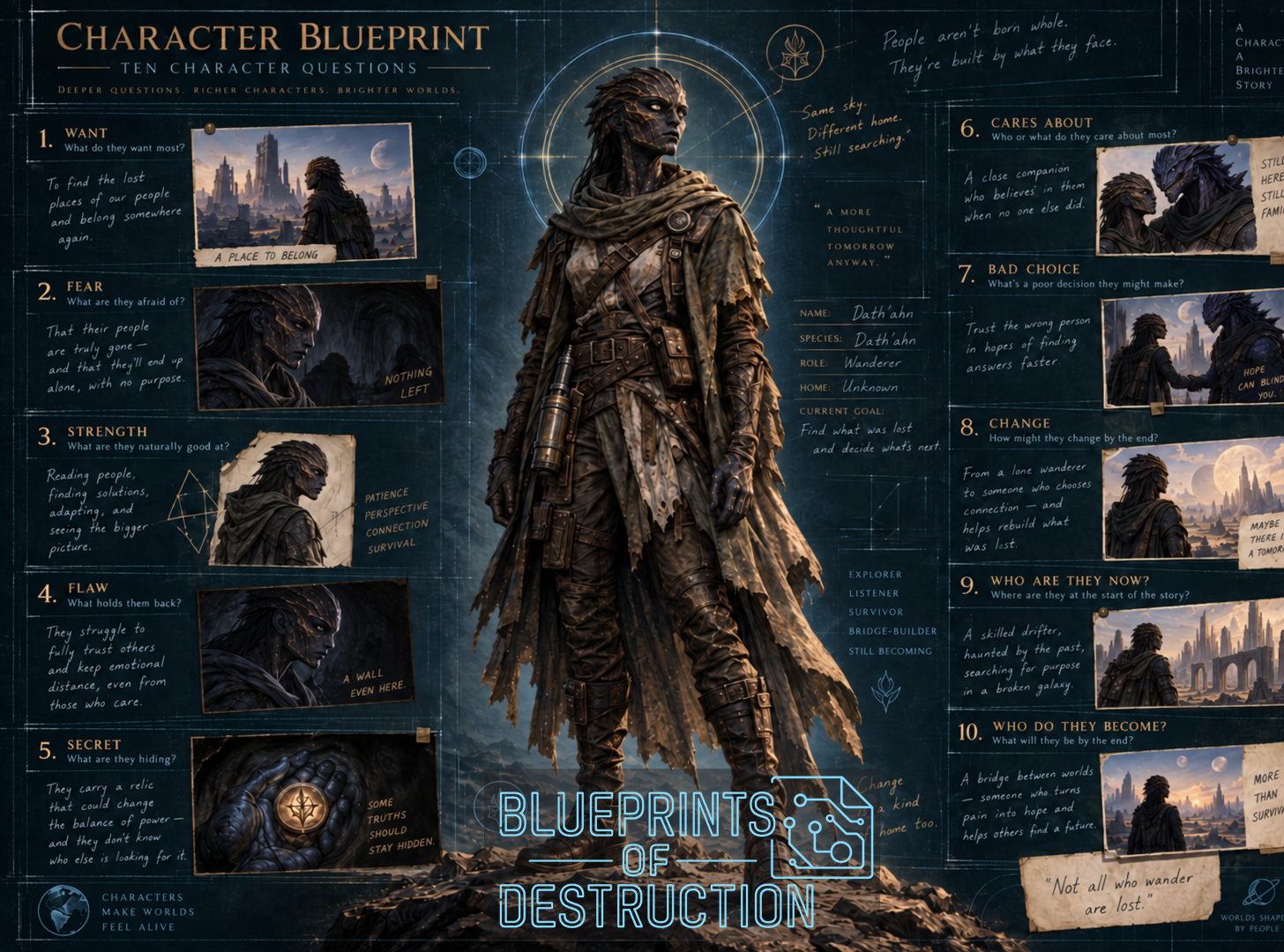
Still struggling with developing one of your own characters? Visit the Character Builder Tool for additional help!
This exercise will not give you a complete character, but it will give you a solid starting point. A character becomes deeper when you place them in scenes and watch how they respond.
You do not discover a character by protecting them from trouble. You discover them by letting the story test them. As the story moves forward, the character will become clearer through action.
Now, put your character in a scene and test them!
