Religion and Power in Worldbuilding
Fifteen Core Questions of Qualx (Collapsible)
Fifteen Core Questions of Qualx (Collapsible)
Structural and Foundational Questions
1. Founding Principle: What was the original purpose or event that led to the formation of Qualx's governing body?
2. Power Source: Who or what grants authority in Qualx? Is authority granted by the people, an inherited class, or divine mandate?
3. Political Hierarchy: Does Qualx have a single central government, or multiple autonomous city-states that operate under one banner?
4. Guilds and Governance: How does the Guild function within the overall government structure? What groups, arms of government, organizations, corporate entities, or separate power blocs interact? Who negotiates with whom?
5. Citizenship and Life Rights: How are Life Rights granted, suspended, revoked, or used as currency? And who has the authority to execute and activate these transactions?
Administrative and Legal Questions
6. Law Enforcement: Who enforces law and order in Qualx? Is it a police-like structure, a military force, mindless automatons, Guild-appointed agents, or is there something darker and more mysterious at play?
7. Judicial System: Who administers justice? Are there trials, arbitration councils, judges, natural disasters sent by gods, or Guild tribunals?
8. Economic Control: What serves as currency in Qualx? And is the economy state-run, Guild-driven, capitalist, resource-based, or is it some kind of hybrid system?
9. Territorial Management: How is land and resource distribution managed? Is there private ownership, state assignments, or a link between Life Rights and the acquisition of raw materials?
Cultural and Ideological Questions
10. Core Ideology: What is the prevailing philosophy or moral compass of the government or people? What mindset helps determine order, progress, control, or survival?
11. Religion and Power: Does religion have any role in Qualx? If so, is it used to legitimize or challenge authority?
12. Information Control: How is knowledge and communication regulated? Is it open and free, heavily censored, or filtered through some kind of in-story gatekeeper or censor?
Political Dynamics
13. Conflict and Rebellion: What forms of dissent exist? Are there underground movements, rival factions, sanctioned opposition, or is it a free-for-all?
14. Military Role: If there is an army? Is it a protector of the people, an enforcer of the regime, or is it fragmented and bureaucratically useless?
15. Foreign Relations: Does Qualx interact with other peoples, nations, or worlds, or is it isolated and self-contained?
Religion and Power: Does religion have any role in legitimizing or challenging authority?
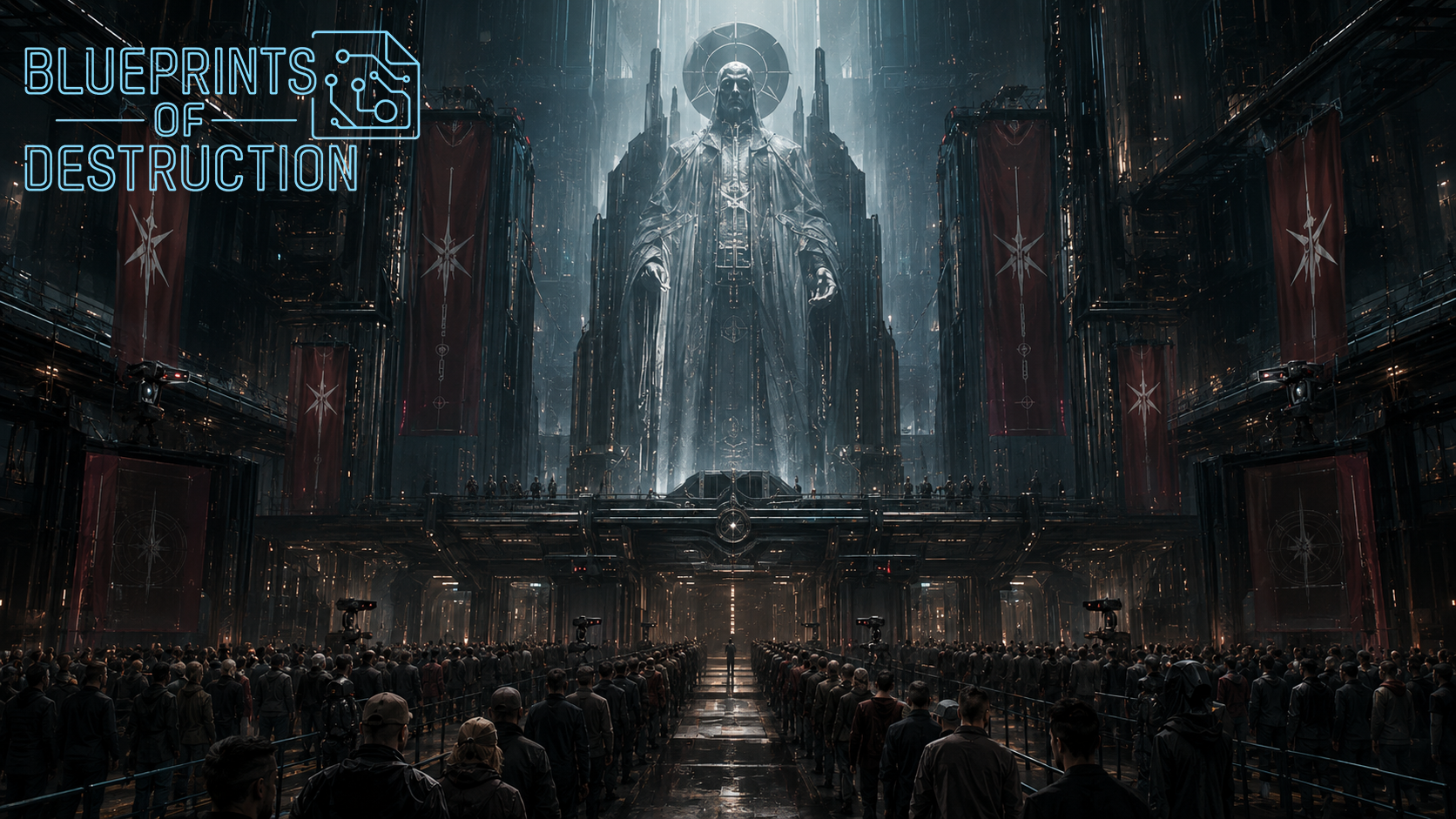
When evaluating the question of religion and power, the first question you might want to ask yourself is if religion plays a role in your story at all. If it does not, then you can go to the next foundational question. If it does, or you are undecided whether it might, continue reading.
Religion Within Your World
One of the worldbuilding questions you might want to ask yourself is, "What role does religion play in my world?"
Religion is a component that can start wars and give characters motivations, all while making their actions justifiable in their own minds. It may not be a question of gods and deities, but rather of attitudes, beliefs, and practices. In a world, people can perceive divinity through many lenses. That can manifest through a traditional "god" or through something like technology, nature, or even disease.
Let's look at the world of Blueprints of Destruction, and how religion and power manifest in the world of Qualx.
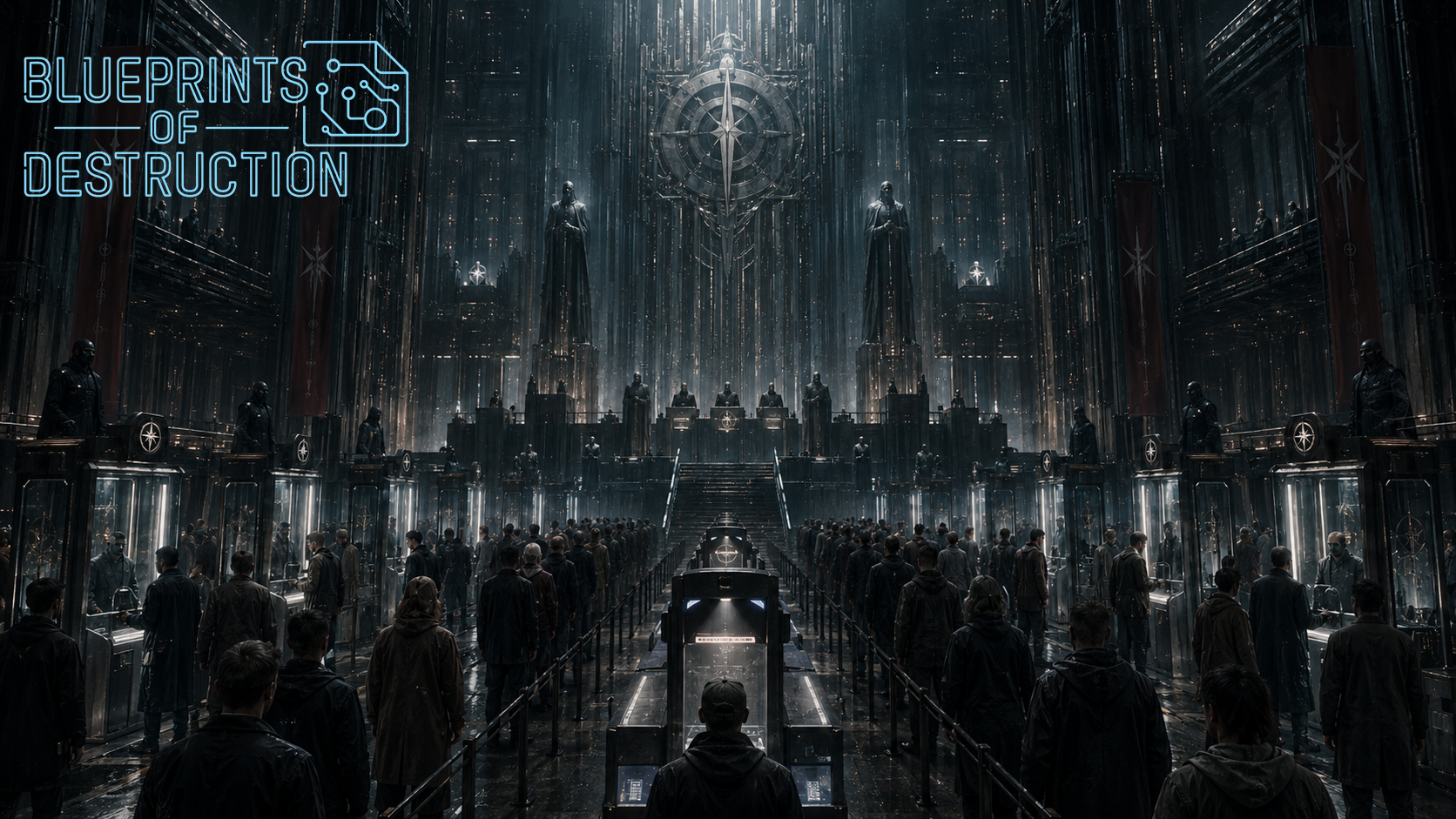
Divinity Versus Authority
In Qualx, the question about religion and power is less about belief and more about authority. It is one of the many ways that the Hive keeps the population manageable.
For Qualxians, legitimacy does not come from divine sanctions. It comes from continuity, enforcement, and results. Religion isn't absent, but it is unnecessary. While religion is minimized, that is not to say that there are no god-like entities.
The Role of the Archon
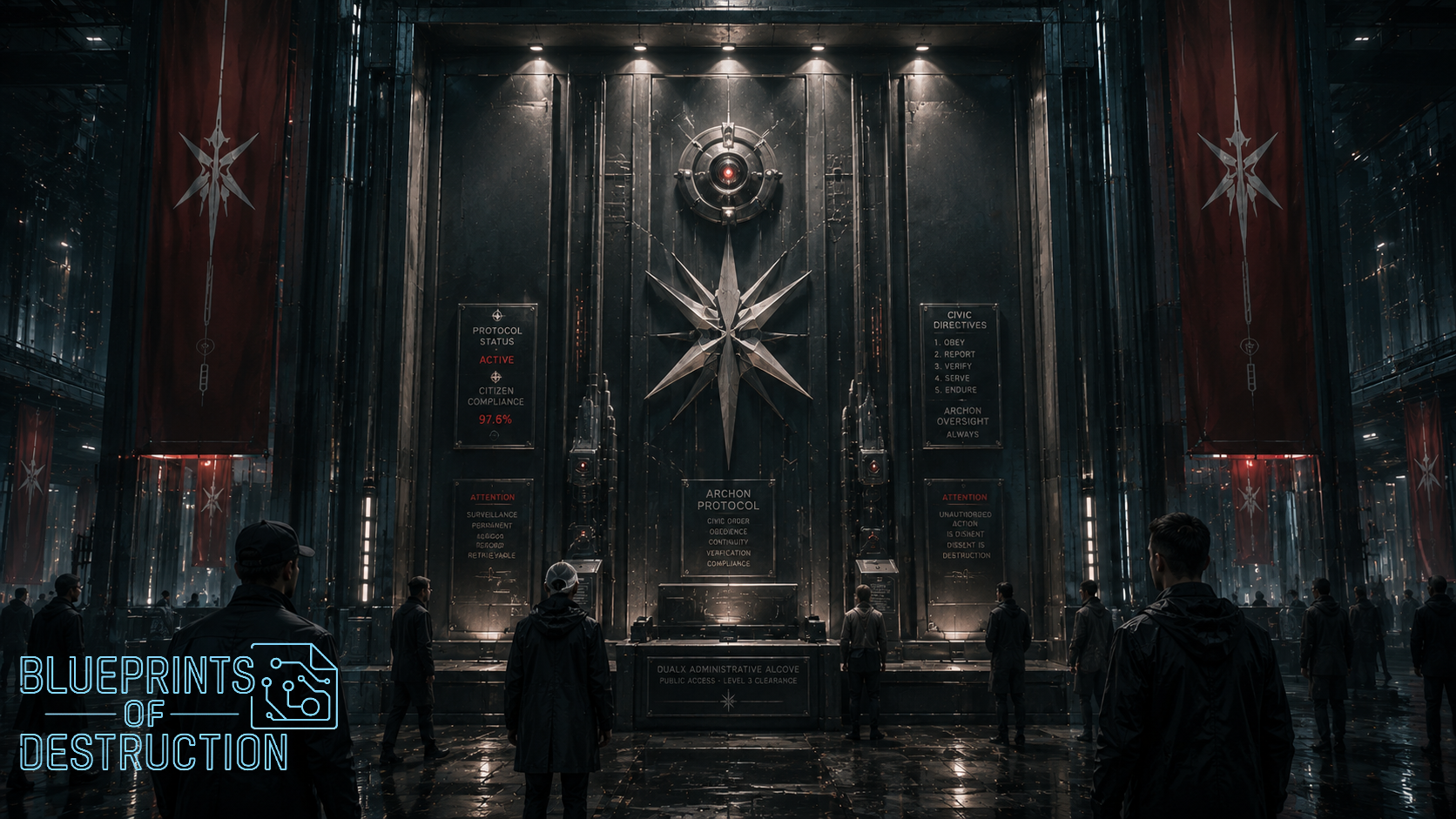
Archons are acknowledged as being godlike. Protocols, taboos, and consequences swirl around them, and they are treated with great deference. There is a fear of consequences tied to Archons. While a negative repercussion may not happen if one is crossed, that is usually the more rare outcome. Usually, if an individual goes against an Archon, there are harsh penalties.
Archons aren't prayed to, and there are no priests or holy days associated with them. While they may not be gods in form, they are in function for the citizens of Qualx.
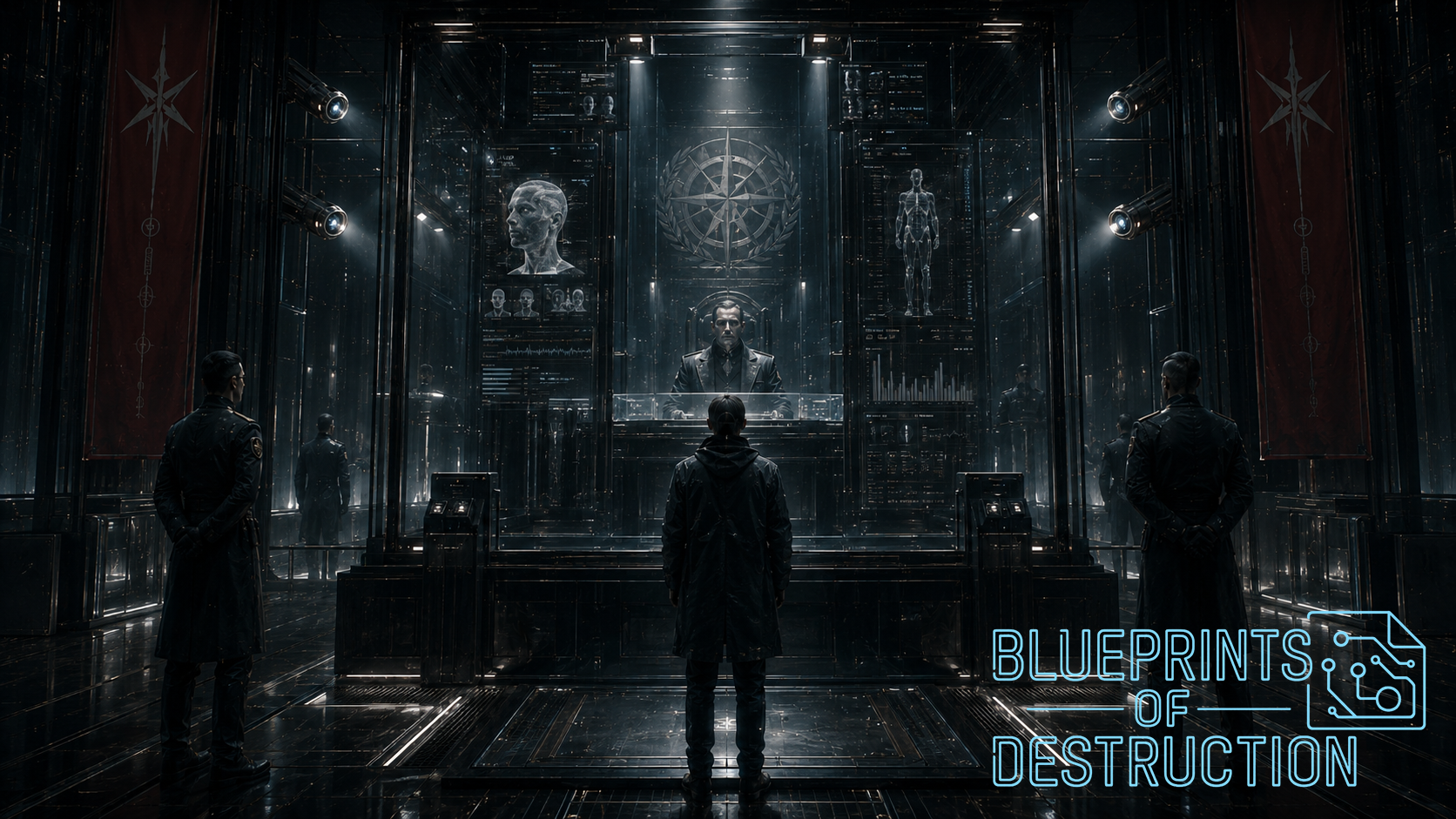
Qualxian Fate: Worldbuilding Questions about Counter Culture
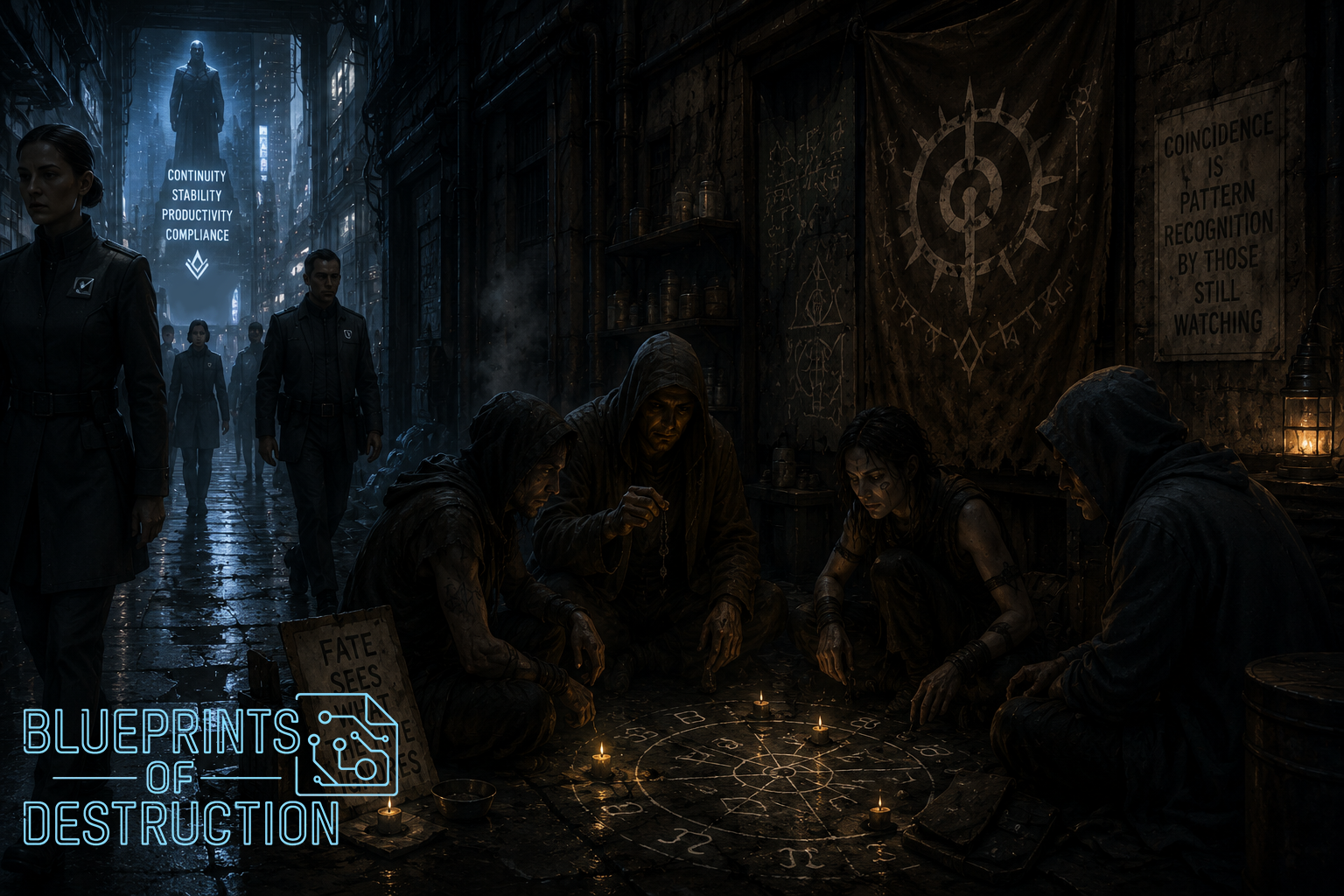
Within the culture of Qualx, there is a relatively small group of people that believe in Fate as a justification for coincidence and hardships. These groups are viewed by the majority as irrelevant and politically powerless. Some citizens even feel embarrassed for this outlier group.
Belief exists, but it has no leverage. Religion doesn't challenge authority on Qualx because the existing power does not need moral permission through religion. Governmental authority demonstrates the power of Qualx through the Archon's aureate.
Worldbuilding Questions Applied to Authority
While Archons don't perfectly fill the role of religion or being godlike, the Grand Archon comes closer. He endures, oversees the entire system, and appears to break the laws of physics as Qualxians understand them. The citizens of Qualx generally express compliance and devotion, rather than gratitude. The citizens have little choice but to revere the Grand Archon.
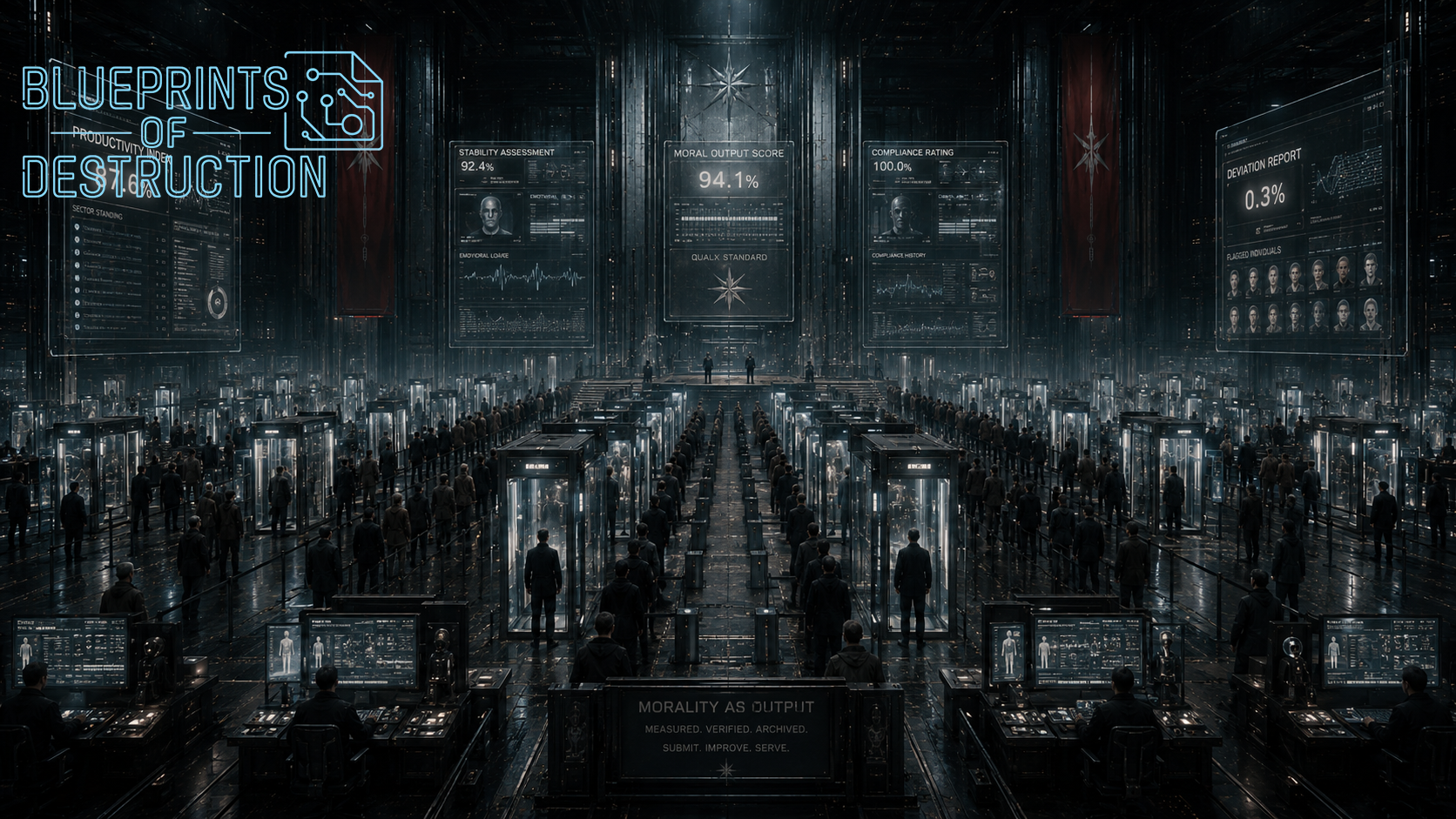
The morality of Qualx is defined only as productivity, stability, and compliance. Good behavior is what maintains continuity, and bad behavior is what introduces inefficiency. The ethics here are operational, not moral.
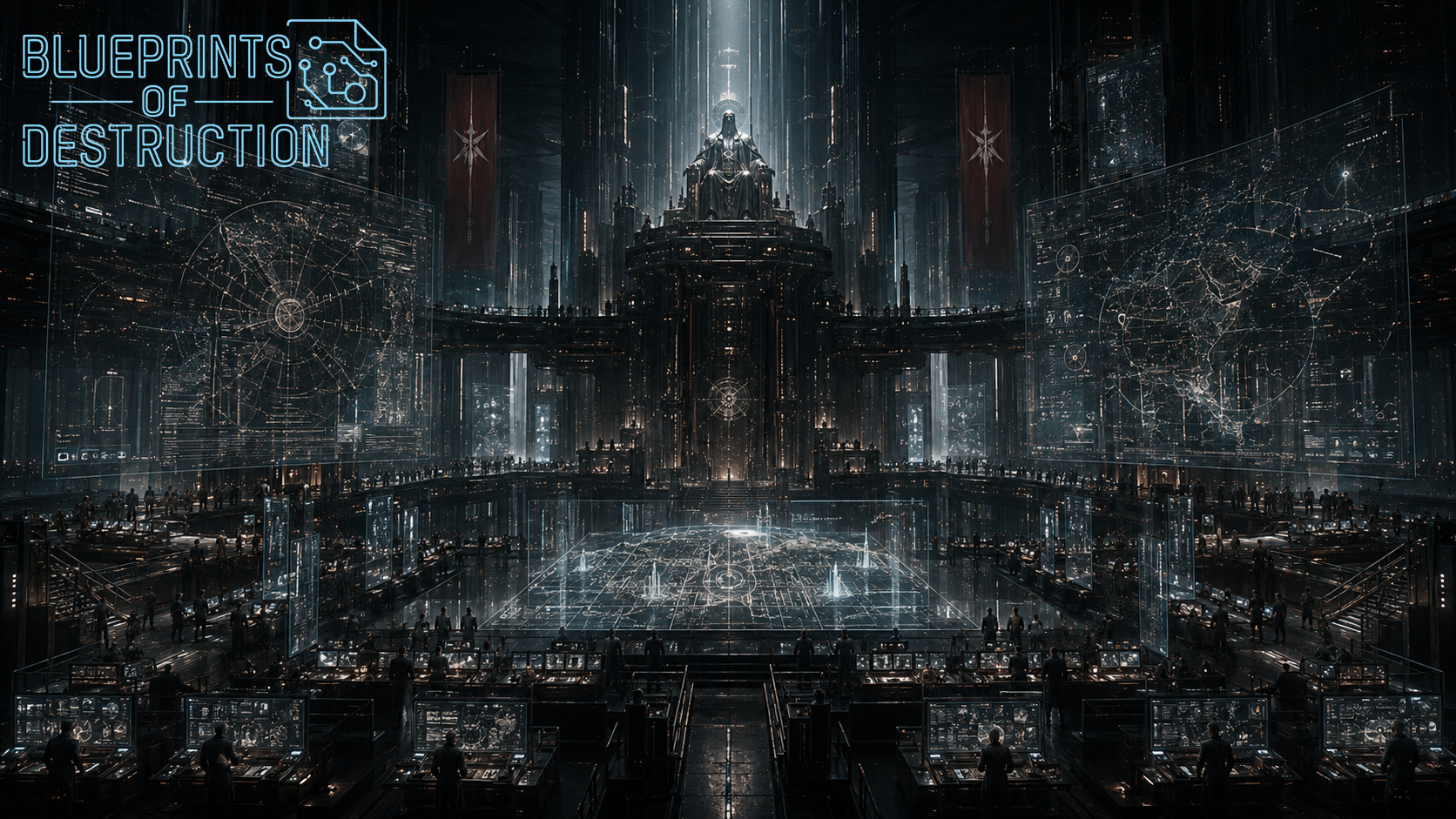
Religion exists in Qualx, but authority does not require belief. The Archons are generally treated as gods, not because they are worshipped, but because they are unavoidable. Power does not seek moral permission, because it already governs reality.
Religion does not need to exist inside your world. It is not a mandatory system that will either make or break your worldbuilding. It is simply a system that you can use as a method of furthering the storyline and adding pressure onto your characters.
Whether you choose to add religion into your world or not, be willing to ask questions and find answers that create conflict. Regardless of which direction you choose to take, release your inner author and offer your audience a world to explore.
Interrogating Qualx: Questions About Belief Systems
- Does this world's belief system explain suffering, justify suffering, or challenge something that creates suffering?
- Does the belief system comfort those who follow its teachings, does it trap them, or does it keep them compliant?
- Does an outlier group exist?
- Does the general population view the outlier group as potentially embarrassing? If they do, why?
- Is this outlier group viewed as having leverage? What in this world does have leverage?
- What in your world creates authority? How is it established? Is it through survival, tradition, fear, morality, divine approval, productivity, or simple control?
- What is dangerous to authority in your world?
Is it information, forbidden truth, power, finances, or public prestige? - Does the outlier group have ulterior motives?
- Is this outlier group revolutionary, or does this belief exist because of the system?
- Is there a demographic of this outlier group, or is admittance transcendent of caste or status?
- Does your world's belief system have specific accoutrements? Are there specific buildings, clothes, foods, or customs?

Interested in the behind the scenes? This Companion video is the editing process that this video went through, along with some worldbuilding tangents along the way.